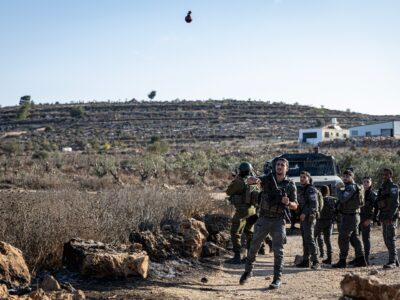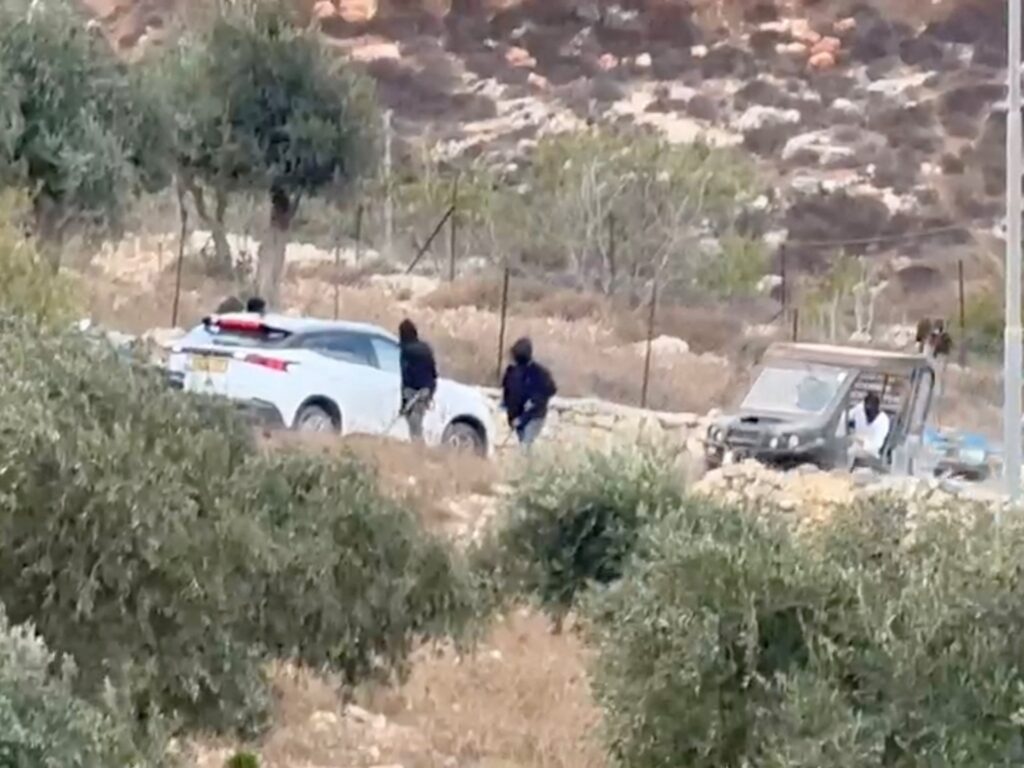
The West Bank has witnessed a significant surge in settler pogroms during the olive harvest season, a violent period that has raised alarm internationally. These attacks, often timed to coincide with the annual olive harvest—a crucial season for Palestinian farmers—have led to widespread destruction of crops, intimidation, and clashes between settlers and Palestinians.
The olive harvest is not just an agricultural event but also a cultural and economic lifeline for many Palestinian families. The attacks disrupt this annual tradition, causing both material losses and heightened tensions in the region. Settler violence during this time often involves the destruction of olive trees, theft of harvests, and sometimes physical confrontations, contributing to a volatile and dangerous environment.
France and Belgium have publicly condemned these settler attacks, especially after incidents involving diplomats from their countries. Their statements highlight the severity of the situation and call for international attention to the violence. However, critics argue that these condemnations amount to mere rhetoric unless matched by tangible actions. They emphasize the need for the European Union to go beyond verbal denunciations and implement effective measures to protect Palestinian farmers and uphold human rights in the occupied territories.
The surge in settler attacks during the olive harvest season is seen by many observers as a strategic attempt to undermine Palestinian presence and rights in the West Bank. It exacerbates already strained relations, fuels animosity, and complicates peace efforts. The international community’s response is crucial, with calls for stronger intervention, accountability for perpetrators, and support for affected communities.
In conclusion, the increase in settler pogroms during the olive harvest season in the West Bank highlights the broader conflict dynamics and the urgent need for international engagement. While France and Belgium’s condemnations are a step toward acknowledging the crisis, many believe a more robust and proactive approach from the European Union and other global actors is essential to prevent further violence and support peace initiatives.