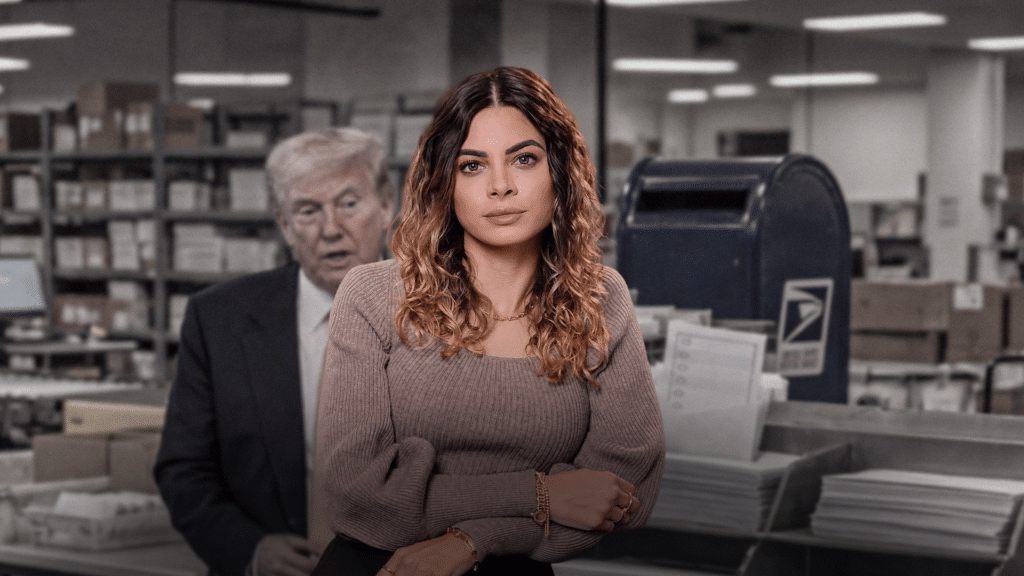
Donald Trump, who has long criticized mail-in voting as susceptible to fraud and corruption, appears to have shifted his stance and is now encouraging it. This change is notable given his previous strong opposition, which he often voiced during and after the 2020 U.S. presidential election. Trump’s reversal can be attributed to evolving political strategy and circumstances that have altered the benefits and risks associated with mail-in ballots for him and his supporters.
Historically, Trump accused mail-in voting of being prone to widespread fraud, despite numerous studies and officials stating that it is a safe and reliable method. He argued that mail-in ballots could be manipulated to distort election results, casting doubt on their legitimacy. This rhetoric was often aimed at undermining confidence in the electoral process and challenging unfavorable outcomes.
However, several factors contribute to the current encouragement of mail-in voting by Trump. First, increasing acceptance and demand for mail-in ballots have grown amid the COVID-19 pandemic, with many voters preferring the safety of voting from home to avoid in-person contact. The logistical reality and public health considerations have made mail-in voting a normalized practice nationwide.
Second, Trump’s political calculus may have adjusted due to shifting voter demographics and turnout patterns. In some regions, mail-in voting is popular among demographics that traditionally support Trump, such as military personnel and older citizens who prefer voting by mail. Encouraging mail-in voting in these groups could help maximize turnout for Trump-aligned candidates.
Third, the control of local election officials and state governments plays a role. Where Republican-led bodies organize and manage mail-in voting efficiently, it might provide a strategic advantage. Conversely, in areas where Democrats control mail-in voting processes, Trump’s negative rhetoric was previously aimed at discrediting their use.
Lastly, Trump’s endorsement of mail-in voting could be a tactical move to appear flexible and responsive to voter needs, potentially improving his public image among moderate voters who value accessibility to voting methods.
Experts suggest that this shift does not imply Trump completely trusts the mail-in voting system but reflects pragmatic adaptation to political realities. By encouraging mail-in voting, he can mobilize his base while maintaining vigilance on election integrity claims where it suits his interests.
This evolution highlights the complexity of electoral politics and the fluid nature of campaign strategies, showing how public figures may recalibrate positions to align better with changing circumstances and opportunities. The debate over mail-in voting remains central to American democracy, illustrating the tension between ensuring access to voting and safeguarding electoral integrity.