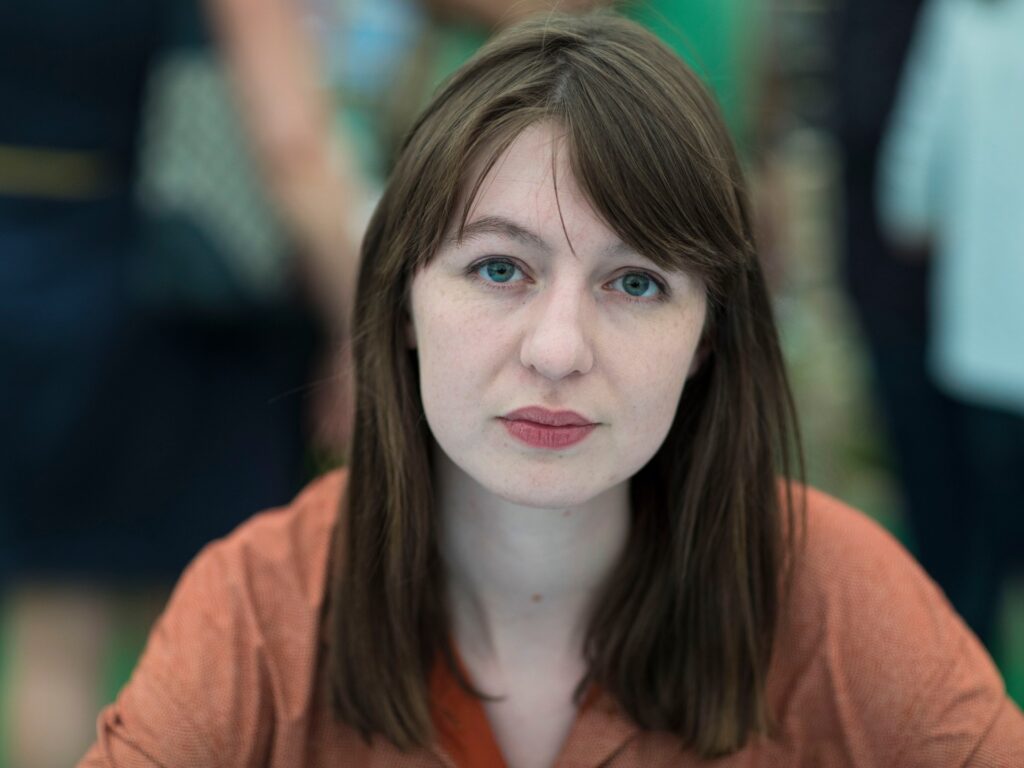
In a recent development, the works of acclaimed author Sally Rooney have been withdrawn from sale in the United Kingdom. This decision comes amidst the author’s expressed support for Palestine Action, a collective advocating for Palestinian rights through direct action.
The publisher, Faber & Faber, announced the withdrawal stating that the move was influenced by “circumstances where Faber cannot pass on UK earnings to Sally Rooney”. This financial complication appears to stem from Rooney’s political affiliations and the controversies surrounding them.
Palestine Action is known for its activist efforts, targeting companies and infrastructures linked to the occupation of Palestinian territories. Rooney’s vocal support for such movements has stirred debates and backlash in various sectors, including her own publishing house.
Sources suggest that the financial blockade is a mechanism reflecting the complexities in distributing royalties to authors involved in politically sensitive issues. This has raised questions about the broader implications on artistic freedom and political expression within the literary industry.
Critics of the withdrawal argue that censoring an author’s work due to their political stance infringes on freedom of speech and artistic liberty. They highlight the importance of separating an individual’s political views from their creative output.
Supporters of the decision claim that the publisher had to navigate legal and financial constraints, making it impossible to continue conventional royalty payments. They argue that the publisher’s stance does not necessarily equate to endorsing or condemning Rooney’s political beliefs.
The withdrawal affects all of Sally Rooney’s books currently available in the UK market, disappointing many fans and readers who admire her for her distinct narrative style and compelling storytelling.
This incident has ignited a conversation about the intersection of art, politics, and commerce in contemporary society. It poses fundamental questions about how artists’ political engagements impact their professional lives and the reach of their work.
While Faber has not specified the duration of the withdrawal, the situation remains fluid, with ongoing discussions between the publisher, the author, and other industry stakeholders.
The scenario also exemplifies the challenges publishers face when balancing commercial interests with ethical considerations in a politically charged environment.
Sally Rooney’s international readership continues to show solidarity, debating the consequences of such withdrawals and advocating for the recognition of artistic freedom irrespective of political views.
The broader literary community watches closely as this case may set precedents influencing how politically engaged authors are treated by publishers in the future.
As the story unfolds, it underscores the importance of dialogue and understanding, emphasizing that literature can be both a form of political expression and a catalyst for social change without necessarily compromising commercial viability.
This event marks a significant moment in the ongoing discourse on the role of culture and politics in public life, highlighting the delicate balance between respecting diverse viewpoints and managing business realities.