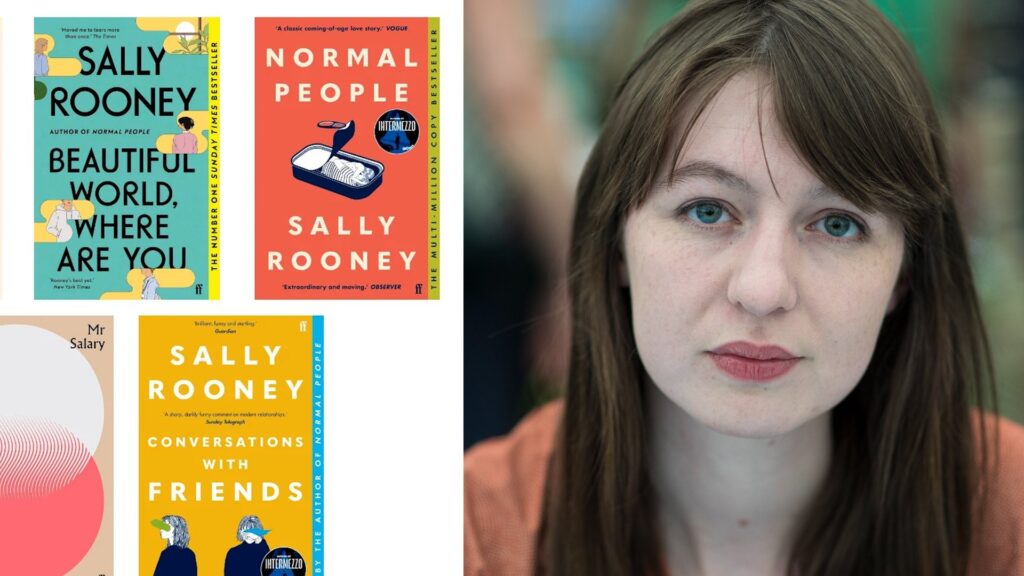
The renowned Irish author Sally Rooney, celebrated for her compelling narratives and distinct voice, has recently found herself at the center of a controversy that has impacted the availability of her books in the United Kingdom. This development stems from her public support of Palestine Action, a pro-Palestinian activist group, which has led to a significant backlash, including a boycott that prevents the sale of her books in UK stores.
Palestine Action is known for its direct action approach to protesting Israeli policies and installations deemed harmful to Palestinian interests. Rooney’s endorsement of the group has ignited polarized reactions among the public and the literary community. In the UK, many bookstores have pulled her titles from shelves, reflecting a broader cultural and political conflict entwined with the Middle East issue.
To gauge public sentiment, especially from the younger generation, a survey was conducted among students across various universities. The responses offer a snapshot of current attitudes toward activism, freedom of expression, and geopolitical solidarity.
A significant portion of students expressed support for Rooney’s right to voice her political stance, emphasizing the importance of freedom of expression and artistic integrity. They argued that an author’s political views should not interfere with their work being accessible to readers. Some students noted that Rooney’s support for Palestine Action aligns with their own values concerning human rights and global justice.
Conversely, other students voiced concern about the implications of her support for a group involved in direct action tactics that are considered controversial or even illegal in some contexts. These students questioned whether her endorsement inadvertently promotes divisiveness or harms efforts toward peaceful dialogue.
Several respondents commented on the broader implications of the boycott, highlighting how politicized actions in the literary world could influence cultural discourse and freedom of thought. They pointed out that suppressing an author’s work on political grounds might set a precedent that stifles dissent and undermines democratic principles.
The controversy has also sparked debates on social media platforms, with heated discussions about the line between supporting human rights causes and endorsing potentially radical activism. Many online commenters expressed frustration over what they see as a reductionist approach to complex geopolitical issues.
Book retailers in the UK cited their decision as a response to consumer pressure and a reflection of the tense political climate. They remain cautious as they navigate the intersection of commerce, politics, and public opinion.
In the literary community, many authors and intellectuals have stepped forward to defend Rooney’s freedom to express political opinions, underscoring the importance of separating art from the artist’s personal beliefs. Yet, others argue the personal is political, and that authors must be accountable for the causes they champion.
The Sally Rooney boycott case illustrates the complicated dynamic between politics and culture, especially in a deeply divided global landscape. It raises important questions about the role of public figures in activism and the response of society to controversial political stances.
Looking ahead, the situation prompts ongoing reflection on how democratic societies handle dissent and support diverse perspectives without resorting to censorship or exclusion. It also highlights the power of youth voices in shaping conversations about justice and human rights worldwide.
As this debate unfolds, it remains to be seen how it will affect Rooney’s future work and the broader literary market. For now, the author’s experience serves as a salient example of the challenges faced by artists engaged in modern political activism and the varied public reactions such engagement generates.