France is currently witnessing widespread protests that have engulfed cities across the nation, sparked by growing discontent over deteriorating conditions in public schools coupled with the escalating cost of living. The unrest reflects a boiling point for many citizens who are struggling to cope with inflation and what they perceive as neglect in crucial social services.
President Emmanuel Macron has announced that he will address the nation in response to the mounting tensions. This move comes as the government seeks to quell the unrest and provide assurances that measures will be taken to tackle the underlying issues fueling the protests.
The protests have brought together various groups, including teachers, parents, students, and workers, united by their calls for better funding for education and relief from economic pressures that afflict daily life. Demonstrators are demanding increased investment in schools to improve facilities, reduce class sizes, and provide more support staff to address the growing crises in the education sector.
Simultaneously, many protesters are voicing frustration over the soaring prices of essential goods, energy, and housing, which have strained household budgets and exacerbated social inequalities. The government’s fiscal policies and recent reforms have been criticized for favoring the wealthy while leaving ordinary citizens to bear the brunt of economic hardships.
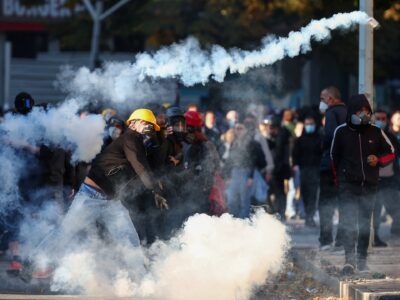
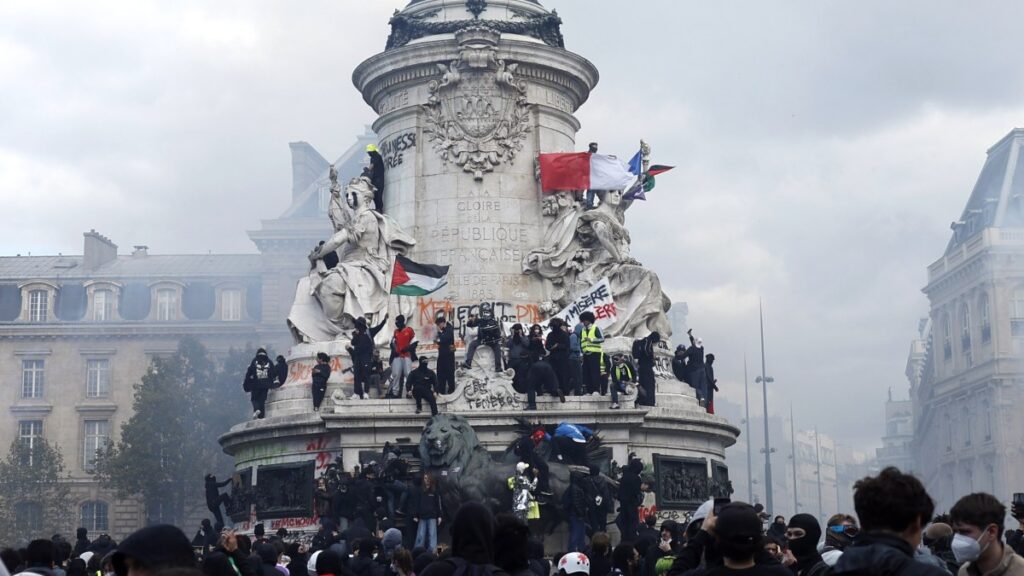
In key metropolitan areas such as Paris, Lyon, and Marseille, protests have turned confrontational, with clashes reported between demonstrators and police forces. Authorities have deployed riot control units to manage the crowds, and numerous arrests have been made amid allegations of police using excessive force.
Social media platforms have become a vital space for organizing further demonstrations, sharing live updates, and expressing solidarity nationwide. The movement has also drawn international attention, highlighting broader concerns about economic disparity and the state of public education in Europe’s fifth-largest economy.
Schools in several regions have been partially or fully closed due to the protests, impacting thousands of students and disrupting educational activities. Teachers have voiced their grievances through strikes and sit-ins, emphasizing the urgent need for government intervention.
Economic experts warn that if left unaddressed, the protests could harm investor confidence and slow down France’s economic recovery post-pandemic. The government is under pressure to balance fiscal responsibility with social welfare in the upcoming budget discussions.
President Macron’s forthcoming address is highly anticipated, with expectations that he will outline a comprehensive plan to address both educational reform and economic relief. Political analysts suggest that the government may propose increased social spending and targeted subsidies to ease inflationary pressures.
As France navigates this period of unrest, the outcomes of these protests may shape the country’s political landscape and policy direction for years to come. The resilience and demands of the French public underscore the critical need for inclusive governance and responsive policymaking in times of economic and social challenge.
Overall, the protests signify a pivotal moment in France’s contemporary history, reflecting the interconnectedness of social justice, economic stability, and public education. The nation watches closely as leaders prepare to respond to these urgent calls for change.