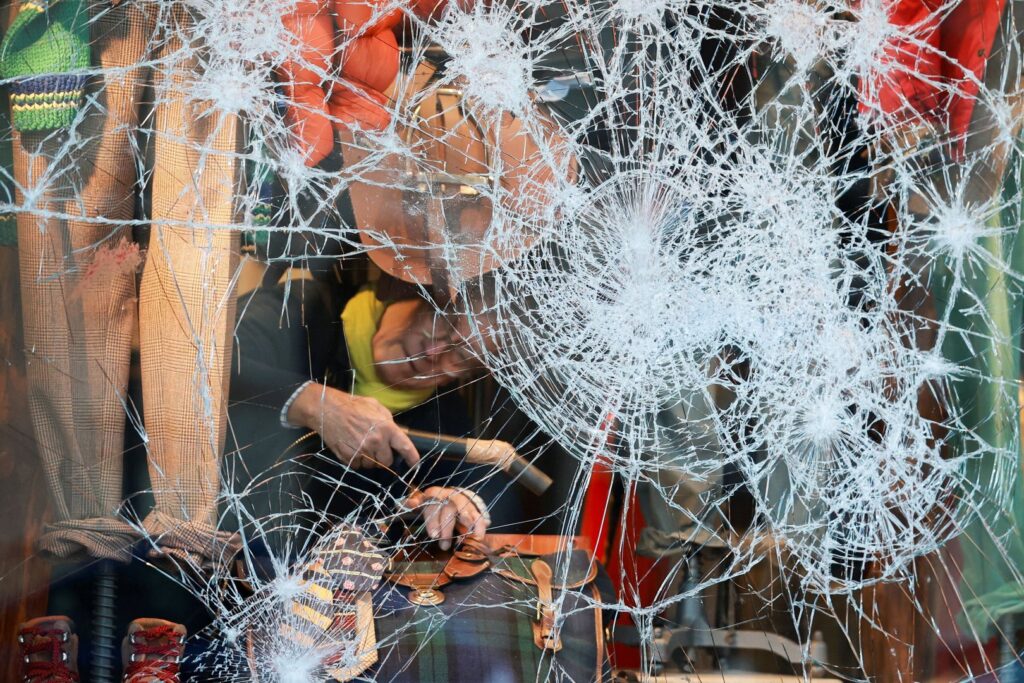
In the wake of the violent protests that erupted in Paris last Saturday, many residents have voiced their dismay and frustration over the extensive damage caused during the demonstrations. What began as a peaceful protest devolved into chaos, leading to destruction across several parts of the city. Local shops, public property, and historical landmarks suffered significant damage, leaving many to question the cost of civil unrest.
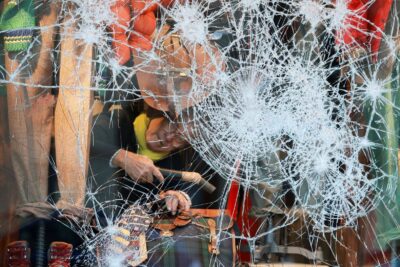
Residents interviewed by Al Jazeera expressed a mix of sorrow and anger. Many lamented the destruction of businesses that are part of the community’s fabric and could take months or even years to recover. Shop owners reported broken windows, looted goods, and graffiti that marred their once vibrant storefronts. The economic impact of these acts of vandalism threatens the livelihoods of many Parisian families.
Beyond the physical damage, there is a palpable sense of insecurity among residents who are concerned about their safety and the stability of their neighborhood. The disruption caused by the protests has left some citizens wary of future demonstrations, fearing potential violence and unrest.
Despite understanding the protesters’ right to voice their grievances, many Paris residents believe that violence undermines the message and ultimately harms the community. Several expressed hopes for more peaceful and constructive dialogue between citizens and authorities moving forward.
City officials have pledged to repair the damages swiftly and have promised increased security measures to prevent such occurrences in the future. Law enforcement agencies are also reviewing their response strategies to better manage protests while minimizing harm to residents and property.
As Paris begins the cleanup process, the incident serves as a stark reminder of the delicate balance between public protest and community wellbeing. The city’s residents hope for a resolution that respects the right to protest while safeguarding their homes and livelihoods.
This event has sparked a broader conversation about the socio-political climate in France and the methods by which citizens seek to express dissent. It underscores the need for dialogue and understanding to bridge divisions and promote peace in a city renowned for its history and culture.
In conclusion, while protests are a vital part of democratic society, the damage witnessed in Paris has left many residents disheartened and calling for peaceful avenues to address societal issues. The city stands at a crossroads, seeking to heal and move forward in unity and resilience.