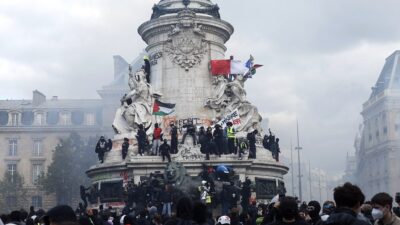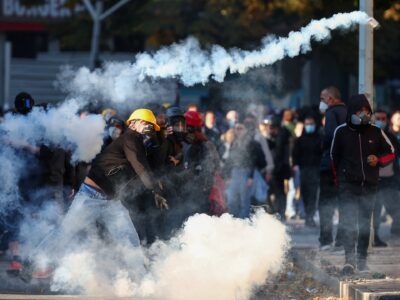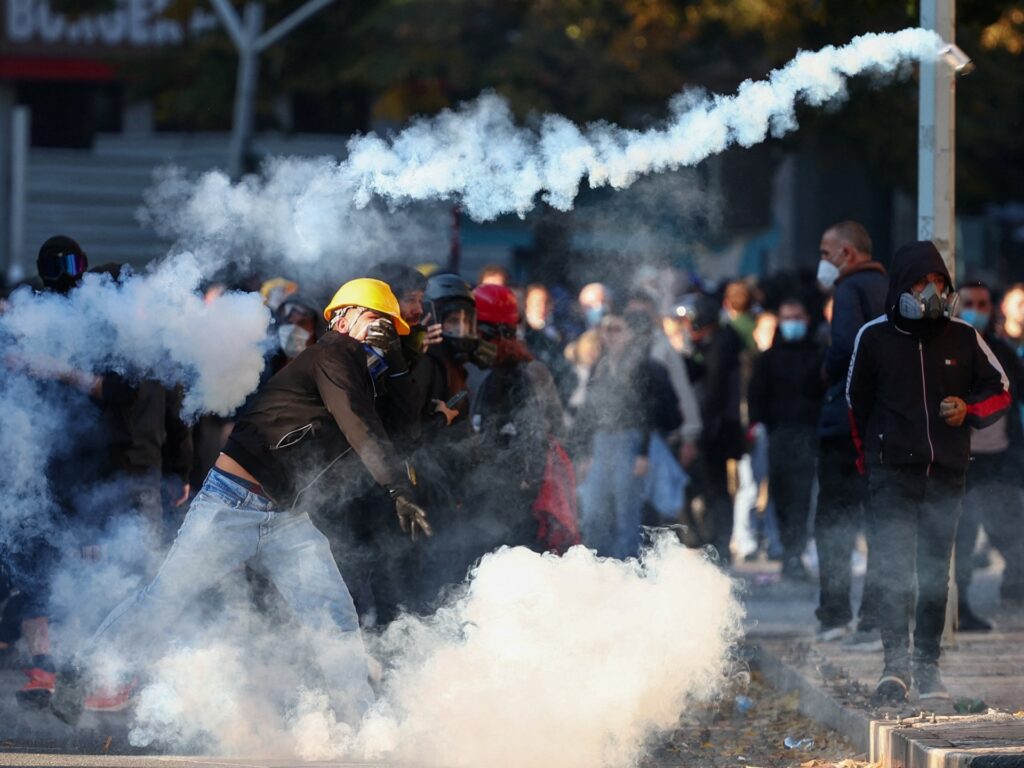
Tirana, the capital of Albania, has been engulfed in unrest for the sixth straight day as violent protests continue to rock the city. The unrest erupted following the Albanian Prime Minister’s steadfast refusal to step down, igniting widespread fury among opposition supporters and various civil groups. Demonstrations have been marked by intense clashes between protesters and law enforcement authorities, who have resorted to using rubber bullets, water cannons, and tear gas in efforts to disperse the crowds.
The protests began after a political crisis deepened, with opposition forces accusing the Prime Minister of corruption and authoritarian practices. Citizens flooded the streets with demands for his resignation, citing grievances around governance, economic woes, and democratic backsliding.
Despite repeated calls from both local and international observers for dialogue and peaceful resolution, tensions have escalated. Protesters have erected barricades and engaged in confrontations with police, leading to injuries and several arrests.
Authorities have declared a state of heightened alert in Tirana, deploying additional riot police and intensifying security measures in key areas, including government buildings and public squares. Emergency services have been put on standby to assist those injured in the clashes.
Human rights groups have condemned the violent crackdown on protesters, calling for restraint and respect for the right to peaceful assembly. They have urged the government to engage with dissenting voices constructively to avoid further escalation.
The Prime Minister remains defiant, maintaining that stepping down would be irresponsible amidst the nation’s challenges. His administration insists that it is committed to reform and that the protests are politically motivated attempts to destabilize the country.
Economic disruptions and public discontent are mounting as businesses close due to safety concerns and daily life in the capital is severely impacted. Schools have been temporarily shut, and public transportation has been limited.
International reactions have ranged from concern to calls for mediation, with neighboring countries and supranational bodies urging an end to violence and the initiation of inclusive talks to restore calm and political stability.
As Albania faces increasing pressure, the path forward remains uncertain. The continuation of protests signals a significant moment in the country’s political landscape, highlighting deep divisions and urgent demands for change. The coming days are expected to be critical in determining whether dialogue can replace confrontation and bring a resolution to the ongoing crisis.