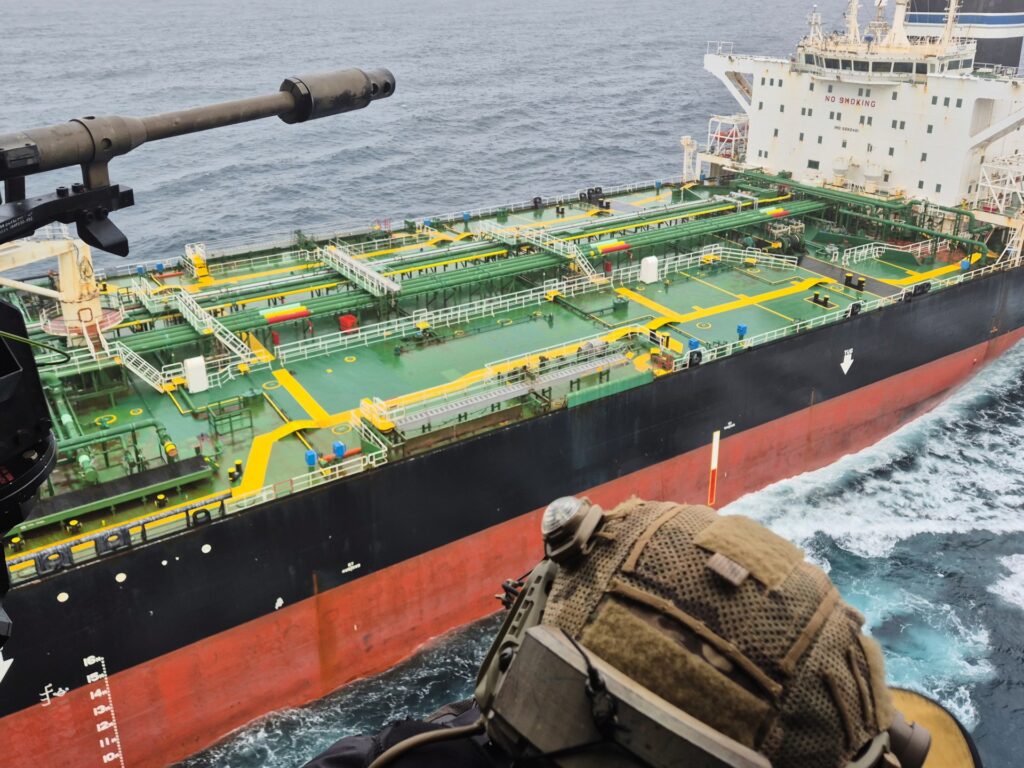
On a controversial move, former President Donald Trump has eased sanctions on Russian oil, raising significant questions about the effects on global energy markets and geopolitical dynamics. Analysts widely agree that Russia stands to benefit the most from the US sanctions waiver, potentially reinforcing its position as a dominant energy supplier on the world stage.
The decision to soften sanctions comes amid ongoing tensions between Russia and Western countries, particularly in the context of the Ukraine conflict and broader geopolitical rivalries. Sanctions have traditionally been used as a tool to restrict Russia’s ability to finance military operations and influence global politics through its energy exports.
With the easing of restrictions on Russian oil exports, there are concerns about whether Moscow will increase its market share in Europe and globally. Europe, heavily dependent on Russian gas and oil, faces a complex dilemma: balancing energy needs with political and ethical considerations to reduce reliance on Russian resources.
Analysts argue that despite efforts by European nations to diversify energy imports, the continent still purchases a substantial amount of Russian gas. This persistent dependence complicates the European Union’s strategy toward imposing and enforcing sanctions effectively.
The move also highlights contrasting approaches within the international community. While the US partially relaxes sanctions, European countries maintain a cautious stance toward Russian energy. This disconnect may undermine collective efforts to limit Russia’s economic capabilities and political leverage.
Energy experts suggest that any relaxation of sanctions, even temporarily, risks undercutting the broader objectives of reducing global reliance on fossil fuels from politically sensitive regions. It also encourages Russia to leverage its energy resources as a geopolitical tool more aggressively.
Meanwhile, the global energy markets have reacted with mixed signals. Oil prices experienced fluctuations as traders assessed the impact of the eased restrictions, while long-term forecasts remain uncertain given the ongoing political instability.
Environmental groups express concern that easing sanctions on Russian oil contradicts international commitments to combat climate change, urging governments to prioritize green energy alternatives over fossil fuels, particularly from regions with questionable political motives.
In conclusion, Trump’s easing of oil sanctions on Russia introduces a complex set of challenges. Russia benefits economically and geopolitically, Europe struggles with its gas dependency, and the global community faces a renewed debate on the intersection of energy security, geopolitics, and environmental responsibility. How Europe and the world respond in the coming months will be critical in shaping the future of international energy and diplomatic relations.