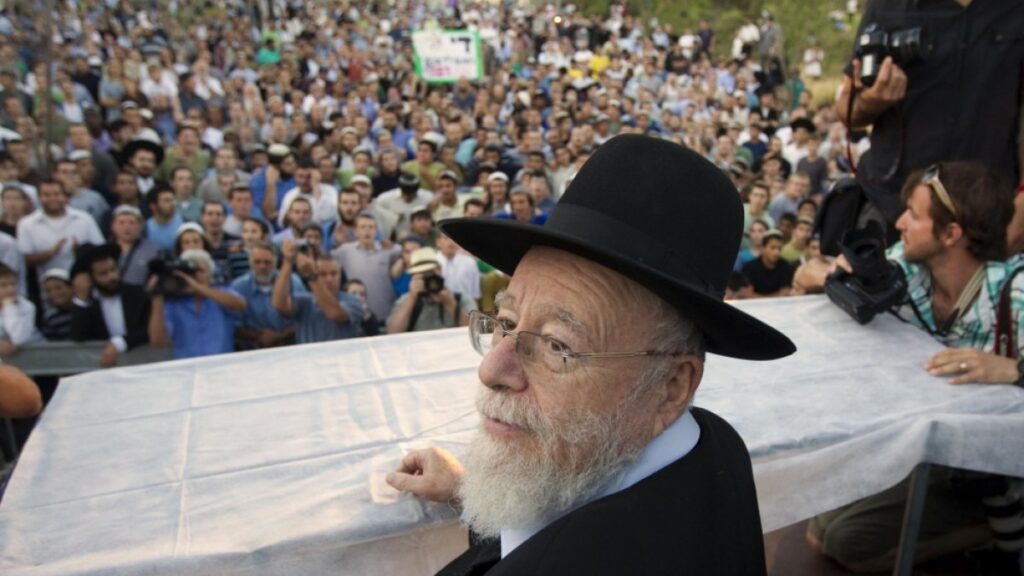
A controversial ruling issued by a hardline Israeli rabbi has ignited widespread outrage and condemnation from Palestinians and human rights activists alike. The ruling concerns the handling of olives stolen from Palestinian olive groves, a sensitive and contentious issue in the Israeli-Palestinian conflict. The rabbi’s decision reportedly justifies or minimizes the theft of olives by Israeli settlers, a practice that has long been a source of tension and violence in the region.
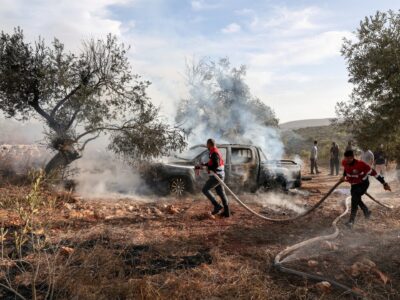
Olive trees hold significant cultural and economic importance to Palestinian communities, who rely on the annual olive harvest as a vital source of income and sustenance. The theft and destruction of olive trees and their fruit by settlers have been documented repeatedly in various reports by international organizations and media outlets, often described as acts of aggression and symbolic attempts to undermine Palestinian livelihoods.
The hardline rabbi’s ruling has been seen as an endorsement of these actions, prompting an uproar from Palestinians who view it as legitimizing theft and undermining their rights and dignity. Palestinian officials and activists have condemned the ruling as a violation of law and human rights, calling for international attention and intervention.
This development adds to the already strained relations between Israeli settlers and Palestinian residents in the occupied territories. It also raises concerns about religious and legal justifications being used to exacerbate the conflict, rather than promote peace and coexistence.
Amid the backlash, some Israeli legal experts and civil society organizations have voiced criticism of the rabbi’s ruling, emphasizing the need for respect for property rights and adherence to international law. They argue that rulings like these risk fueling further tensions and undermine efforts for dialogue and reconciliation.
The incident highlights the broader challenges faced in the Israeli-Palestinian conflict, where issues of land, property, and cultural heritage remain deeply contested. As the olive harvest season progresses, Palestinian farmers and communities continue to face threats and obstacles, with this new ruling potentially exacerbating their vulnerability.
International observers and human rights organizations have called for a thorough investigation into the reported thefts and the endorsement of such acts by influential figures. They stress the importance of protecting civilian property, promoting accountability, and fostering conditions conducive to peaceful resolution.
The controversy underscores the complex intersection of religion, law, and politics in the region, illustrating how rulings by religious authorities can have significant social and political implications. It also serves as a reminder of the urgent need for dialogue and mutual respect to address one of the most enduring and sensitive conflicts in the world.