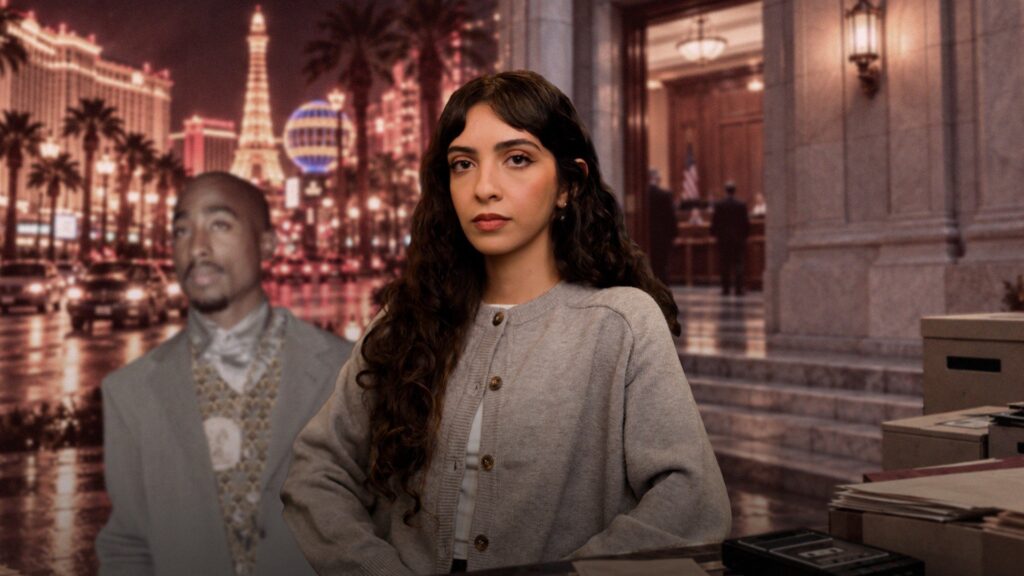
Tupac Shakur, one of the most influential and iconic figures in the history of hip-hop, was tragically murdered in a drive-by shooting on September 7, 1996, in Las Vegas, Nevada. Despite numerous investigations and widespread speculation, the case remained officially unsolved for nearly three decades, leaving fans and the music world searching for answers.
For years, theories about Tupac’s murder circulated widely, implicating various individuals and groups across the East Coast-West Coast hip-hop rivalry. The shooting, which occurred shortly after a Mike Tyson boxing match, left Tupac critically wounded; he succumbed to his injuries six days later at just 25 years old. The murder cast a long shadow over the hip-hop community, sparking fears and a deep sense of loss.
Recently, a breakthrough has been made in this decades-old mystery. Keffe D, a name that had appeared in the shadows of previous speculation but never officially charged, has now been sentenced for his role in the killing of Tupac Shakur. This development marks a significant moment in hip-hop history as justice is finally being served.
The investigation leading up to Keffe D’s sentencing drew on new evidence and testimonies that previously had been unavailable or undisclosed. Law enforcement agencies revisited old leads with modern forensic methods and collaborated with witnesses who decided to come forward after years of silence. These combined efforts culminated in the arrest and conviction of Keffe D, closing a painful chapter for Tupac’s family, friends, and fans.
Tupac Shakur’s legacy, built on his profound lyrics, social activism, and charismatic presence, continues to influence artists and listeners worldwide. His untimely death left a void in the music industry but also immortalized him as a legend whose impact transcends generations.
The sentencing of Keffe D provides a measure of closure for those who have long sought justice and highlights the persistent efforts of law enforcement to resolve cold cases, regardless of the time elapsed. While nothing can bring Tupac back, this resolution honors his memory and the truth behind his tragic passing.
As fans and the music community reflect on these developments, Tupac’s music and message remain as powerful as ever, reminding us all of the enduring spirit of an artist who spoke truth to power and whose voice will never be silenced.