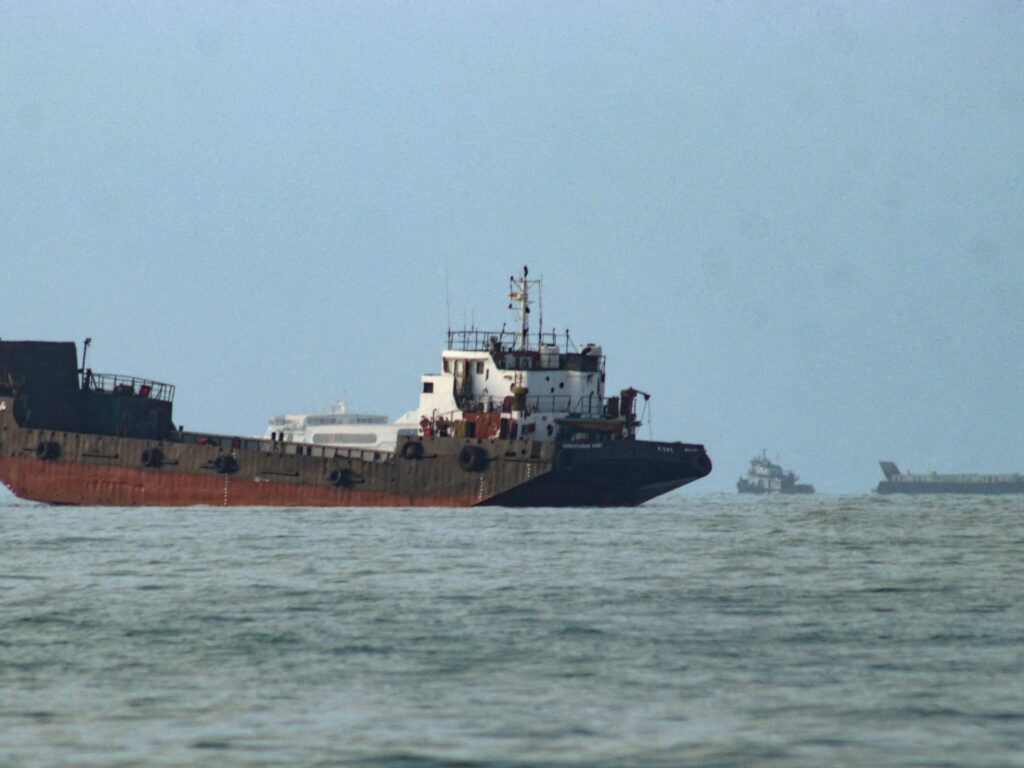
The Strait of Hormuz, a critical maritime chokepoint for global oil shipments, has been at the center of intense geopolitical tension amid ongoing conflict involving Iran. Recent developments indicate a potential easing of hostilities as diplomatic efforts gain momentum. Both Iran and the United States have communicated signals of progress in negotiations aimed at reopening the strategic waterway, which has been disrupted by conflict-related activities.
Iranian officials have revealed that talks with Oman, acting as a mediator, are proceeding ‘positively.’ Oman’s role as a neutral interlocutor is vital in fostering dialogue between Tehran and Washington, helping bridge differences that have for long fueled confrontations in the region.
Meanwhile, US officials have expressed cautious optimism, stating that a deal to reopen the Strait of Hormuz could be achievable soon. Such an agreement would have significant implications for international trade and energy markets, as the strait is a conduit for roughly 20% of the world’s petroleum passing from the Persian Gulf to global markets.
The ongoing negotiations focus on security guarantees and the removal of threats to commercial shipping through the strait. Iran demands the lifting of certain sanctions and assurances that its vessels and waters will not be targeted, while the US seeks guarantees against Iran’s interference in shipping lanes and regional hostility.
The reopening of the Strait of Hormuz would mark a de-escalation in one of the most sensitive flashpoints in the Middle East. It would alleviate fears of supply disruptions and price volatility in global energy markets, providing relief to economies worldwide that depend heavily on Gulf oil.
Observers are closely monitoring the negotiations, noting that the stakes extend beyond just Iran and the US. Regional players and global economies have a vested interest in the outcome, as stability in the Gulf has widespread repercussions on security and economic conditions.
This diplomatic progress follows a period of heightened tension, including naval confrontations, sanctions, and increased military presence around the strait. The prospect of a breakthrough in talks with Oman is seen as a positive sign for conflict resolution and the restoration of safe passage for commercial vessels.
While challenges remain, such as mutual distrust and complex regional dynamics, the current momentum in talks provides hope that a lasting solution might be reached. Both Iran and the United States appear to recognize the mutual benefits of reopening this critical maritime route.
In the broader context, this potential agreement aligns with ongoing global efforts to stabilize regions affected by conflict and ensure the unimpeded flow of essential resources. The international community remains watchful, hoping for a peaceful resolution that averts further escalation and promotes regional cooperation.
As talks continue, stakeholders urge caution and patience, emphasizing that the complexities of the situation require careful negotiation and goodwill from all parties involved. The evolving situation underscores the importance of diplomatic channels and mediated dialogue in resolving international crises.