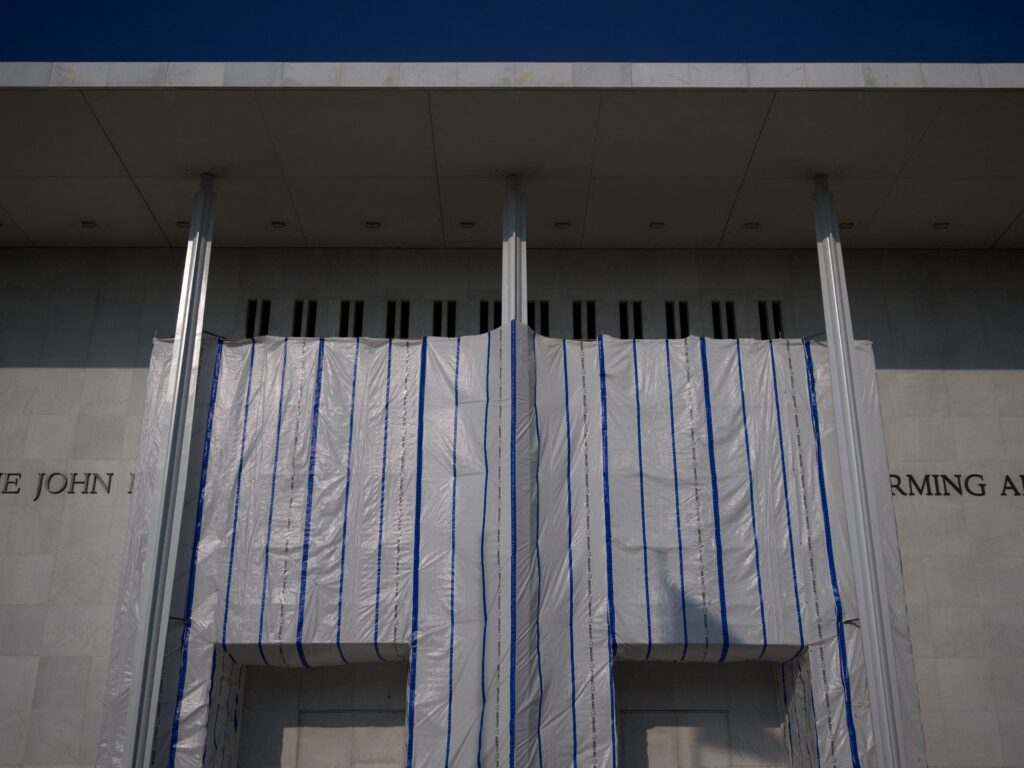
A recent ruling by a US judge has mandated that a 30-day notice must be given before any physical alterations are made to the John F. Kennedy Center for the Performing Arts. This decision comes amid ongoing legal battles surrounding former President Donald Trump’s initiatives to make changes to the iconic cultural institution, including his controversial attempt to rename the center.
The Kennedy Center, located in Washington D.C., has long stood as a symbol of American arts and culture. It was named in honor of President John F. Kennedy and is widely revered for its dedication to the performing arts community.
The legal dispute originated after Trump’s administration sought to implement multiple changes to the Kennedy Center. Among the most contentious of these changes was Trump’s proposal to rename the facility, a move that drew significant public backlash and legal scrutiny.
The court’s ruling requires any party wishing to undertake physical modifications to the structure to provide a minimum 30-day advance notice. This measure aims to ensure that there is adequate time for legal and public review and to prevent rushed or unauthorized alterations.
Legal experts see the ruling as a crucial check on the administration’s ability to unilaterally alter national landmarks without due process. The 30-day notice provision offers a procedural safeguard that preserves the integrity of federally recognized historic sites.
Advocates for preserving the Kennedy Center under its original name have applauded the ruling, calling it an important step in protecting American heritage and cultural landmarks from politically motivated changes.
Opponents of the ruling argue that it imposes unnecessary bureaucratic hurdles that could delay necessary improvements or modernization efforts. However, proponents emphasize that preserving the historical identity of the Kennedy Center should be paramount.
The decision further complicates Trump’s efforts to assert control over the Kennedy Center’s future, highlighting the ongoing tensions between political leadership and cultural stewardship.
As the legal process continues, the ruling sets a precedent that may affect how future administrations engage with national cultural and historic sites. It underscores the importance of transparency, public involvement, and adherence to legal procedures in managing such landmarks.
For now, any planned physical changes to the Kennedy Center must comply with the 30-day notice requirement, ensuring that all stakeholders, including the public and heritage organizations, have ample opportunity to weigh in before alterations take place.
This development marks a significant chapter in the evolving story of the Kennedy Center, reflecting broader debates about the preservation of national heritage in times of political change.