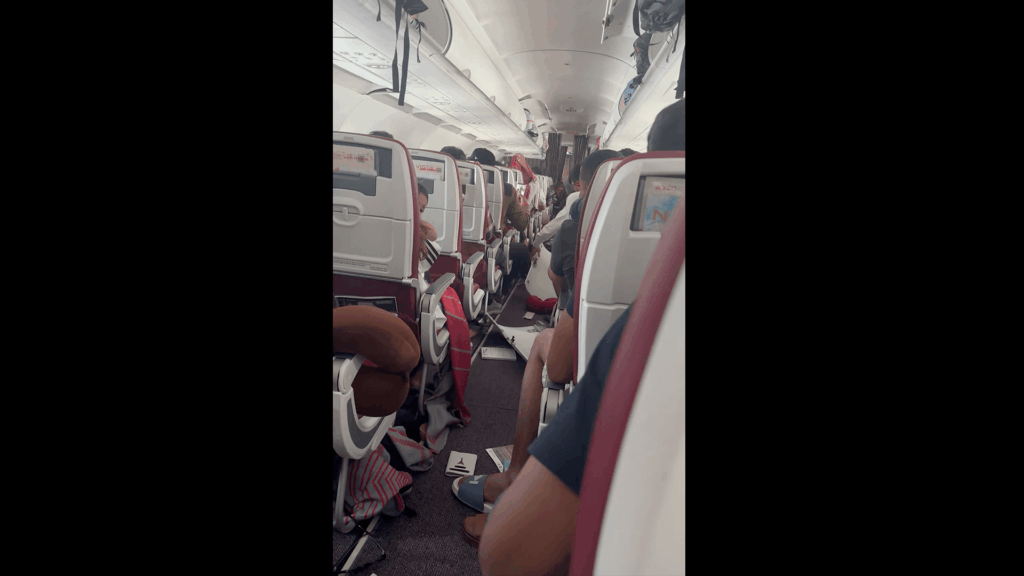
In a harrowing incident that unfolded mid-air, an Air India flight traveling from Phuket to Delhi suddenly dropped 300 feet, leading to injuries among passengers. The flight encountered severe turbulence, causing a sudden and unexpected drop that alarmed passengers and crew members alike. Seventeen people sustained injuries during the turbulence, highlighting the dangers that can be posed by turbulent conditions even in routine commercial flights.
The flight was carrying a diverse group of travelers, including tourists and business passengers, all en route from the popular Thai island destination of Phuket to the Indian capital. The turbulence struck without much warning, and the aircraft’s descent by 300 feet was felt sharply throughout the cabin. Passengers reported a frightening experience as unsecured items were tossed around, and many were jolted from their seats.
Flight attendants immediately sprang into action, administering first aid to those hurt and assisting passengers to stay calm. The cockpit crew maintained communication with air traffic control, ensuring the aircraft regained stable altitude as quickly as possible. The pilots navigated through the rough patch with professionalism, minimizing further risk to the passengers.
Following the incident, the plane safely landed at Delhi airport where emergency medical services were on standby to provide assistance. The injured passengers were promptly treated; thankfully, no fatalities were reported. Authorities launched an investigation into the cause of the severe turbulence, which meteorologists described as potentially linked to unstable atmospheric conditions along the flight path.
Severe turbulence is a known hazard in aviation, often caused by weather factors such as air currents, jet streams, thunderstorms, and mountainous terrain. Although aircraft are built to withstand such pressures, sudden violent turbulence can still pose significant risks to passengers who are unbuckled or moving about the cabin.
This event serves as a reminder of the importance of always wearing seat belts while seated, even when the seat belt sign is off, and following all safety instructions issued by the cabin crew. Air India has issued a statement expressing regret over the incident and reaffirming its commitment to passenger safety.
The airline is reviewing its flight safety protocols and turbulence monitoring systems to heighten preparedness and prevent similar occurrences. Passengers traveling in turbulent areas are advised to heed crew instructions, secure their belongings, and stay cautious during flights.
In conclusion, the sudden drop faced by the Air India Phuket-Delhi flight underscores the unpredictable nature of air travel and the critical role of safety measures in protecting lives. Thanks to the crew’s quick response and the resilient aircraft design, a potentially catastrophic event was managed with relatively limited injury and no loss of life. This incident will likely contribute to future improvements in turbulence prediction and passenger safety guidelines across the aviation industry.