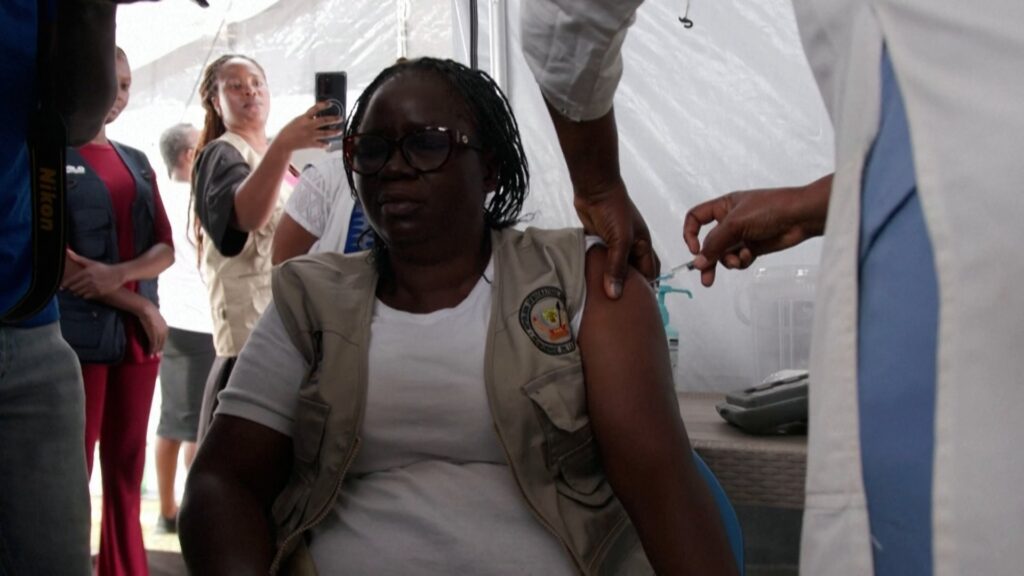
The Democratic Republic of Congo (DR Congo) has initiated vaccine trials targeting frontline health workers amidst the ongoing Ebola outbreak. This strategic move comes as part of an urgent response to control and prevent the spread of the deadly Ebola virus, which has severely impacted the nation.
Health workers are considered the most vulnerable group during such outbreaks due to their close contact with infected patients. By vaccinating this group, the government aims to protect those at the epicenter of care, reducing transmission risks both to the workers themselves and the broader community.
The vaccine trials represent a crucial step toward finding a reliable preventive measure against Ebola. These trials, conducted in collaboration with international health organizations and local medical teams, will assess the vaccine’s safety and efficacy among healthcare professionals who are actively involved in treating Ebola patients.
The decision to prioritize health workers recognizes their critical role and the high stakes involved in managing the Ebola crisis. Protecting them can ensure that medical facilities remain operational and that patients receive consistent care without interruptions caused by worker infections.
This initiative also reflects a broader global health strategy focusing on frontline workers during disease outbreaks. Prior vaccination is intended to help maintain healthcare system resilience in the face of emerging health threats.
Previous Ebola outbreaks have demonstrated the devastating impact of the virus, with thousands of cases and high fatality rates. Vaccine development and trial implementation mark a hopeful turning point in combating this deadly disease.
The government of DR Congo, alongside international partners, remains committed to advancing medical research and deploying effective vaccines swiftly. Ongoing monitoring and evaluation during these trials will provide critical data to guide future vaccination campaigns and emergency responses.
Communities affected by Ebola have expressed cautious optimism about the vaccine trials. Engagement and education efforts aim to build trust and encourage participation among health workers and the general public.
Despite logistical challenges posed by conflict and remote locations, these trials underscore a determined effort to harness scientific innovation for public health protection.
In conclusion, DR Congo’s rollout of Ebola vaccination trials for frontline health workers represents a proactive and essential measure in the fight against this deadly virus, highlighting the importance of protecting healthcare heroes who stand at the frontline of epidemic response.