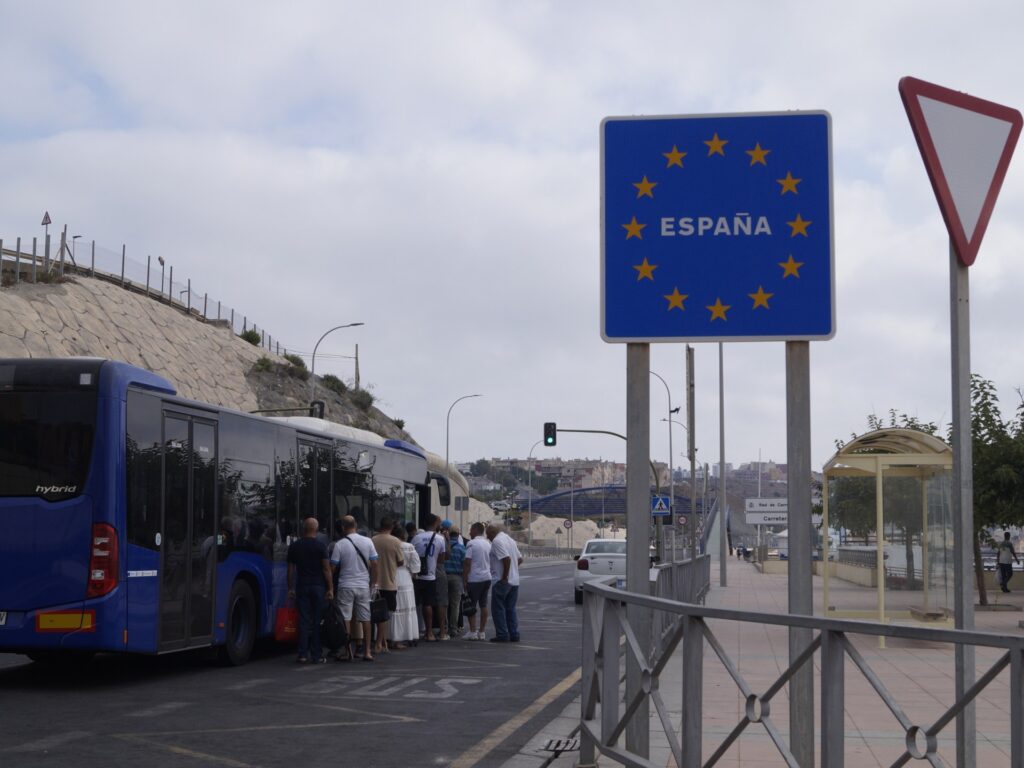
Spain’s enclaves in North Africa, specifically Ceuta and Melilla, are two small territories situated on the northern coast of Africa bordering Morocco. These enclaves exist due to a combination of historical, political, and strategic reasons rooted in centuries of geopolitical developments.
1. Historical Legacy: The origins of Spanish enclaves can be traced back to the period of the Reconquista and Spain’s maritime expansion. Ceuta was captured by Portugal in 1415 and later became part of Spain in 1580 when the Spanish and Portuguese crowns were united. Melilla was taken by Spain in 1497, during Spain’s efforts to expand its influence across the Mediterranean and North Africa.
2. Strategic Military and Trade Importance: Both Ceuta and Melilla serve as critical military outposts due to their location at the entrance of the Mediterranean Sea near the Strait of Gibraltar. Controlling these enclaves has historically allowed Spain to secure naval routes and exert influence over North African maritime trade.
3. Colonial and Political Influence: During the era of European colonialism, Spain maintained a foothold in North Africa, including the establishment of protectorates and protectorate zones in the area surrounding Morocco. The enclaves were part of broader colonial ambitions and remain Spanish territories despite Morocco’s independence and territorial sovereignty claims.
4. Current Geopolitical Status: Today, Spain administers Ceuta and Melilla as autonomous cities. These enclaves are unique as they are part of the European Union and use the euro, contrasting with the surrounding Moroccan territory. The borders are points of migration tension, with many attempting to enter Europe through these enclaves.
5. Morocco’s Claims: Morocco has historically claimed sovereignty over Ceuta and Melilla, considering them as remnants of colonialism. However, Spain asserts that these territories have been Spanish since before Moroccan sovereignty and are integral parts of the Spanish state.
In summary, Spain’s enclaves in North Africa exist due to historical conquests, strategic military positioning, colonial history, and ongoing political complexities. Their presence highlights the lasting impacts of European expansionism and continues to influence Spain-Morocco relations and regional geopolitics today.