In the ongoing conflict involving Iran and its regional tensions, Tehran has recently outlined specific terms for any potential peace talks. According to Iran’s top security chief, the demands from Tehran include a comprehensive cessation of hostilities on all fronts and the removal of the United States naval blockade in the region. These conditions are critical from Iran’s perspective to enable meaningful dialogue and eventual resolution of the conflict.
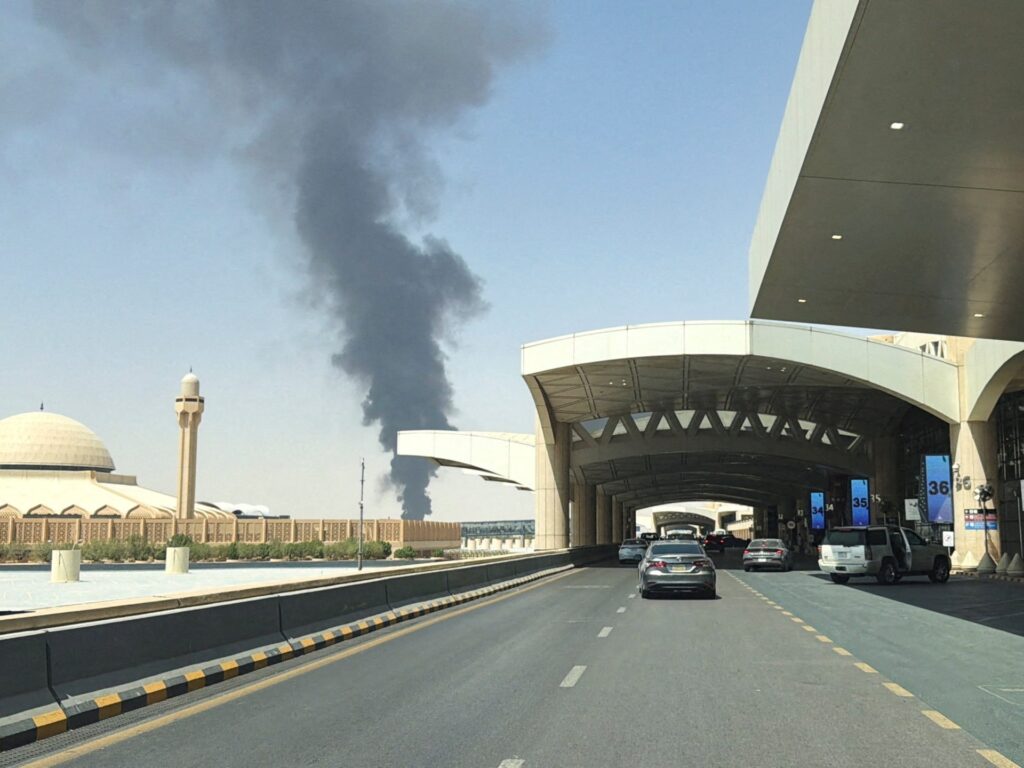
Simultaneously, developments on the Arabian Peninsula remain tense, with Saudi Arabian forces successfully foiling an attack on Riyadh. This event highlights the continuing security challenges in the region and underscores the heightened state of alert among Gulf Cooperation Council (GCC) countries.
### Tehran’s Terms for Peace Talks
At the center of Tehran’s stance is the insistence on an end to the war on all fronts, which indicates not only a halt in direct military confrontations but also cessation of proxy conflicts where Iran is believed to have significant involvement. This condition underscores Tehran’s desire for a broad resolution rather than isolated ceasefires.
Equally significant is Tehran’s demand for the lifting of the United States naval blockade. The blockade has been a tangible symbol of growing tensions between Iran and the US, effectively restricting maritime traffic and Iran’s access to crucial sea routes. Removing this blockade would relieve some of the economic and strategic pressures faced by Iran.
### Security Incident in Riyadh
In a separate but related development, Saudi Arabian security forces announced they have successfully thwarted an attempt to attack the capital city, Riyadh. Details about the nature of the attack and the assailants have not been fully disclosed but the incident underscores the volatile security atmosphere in the region.
Saudi Arabia remains a key player in the regional dynamics, often seen as a principal opponent to Iran’s influence in the Middle East. The thwarted attack reveals the persistent threats Saudi Arabia faces amid ongoing geopolitical rivalries.
### Regional Implications
The combination of Tehran’s firm conditions for dialogue and the continued security threats in Saudi Arabia and the broader Gulf region indicate a complex and fragile situation. While Iran seeks to set the agenda for peace talks, other Gulf states are contending with immediate security threats.
This complexity suggests that any future peace process requires addressing both political and security dimensions comprehensively. The demands for lifting naval restrictions alongside military de-escalation indicate Iran’s priorities but also show the challenges ahead.
### International Reactions and Outlook
The international community watches closely as these developments unfold. Many nations advocate for dialogue and peaceful resolution but are cautious given the entrenched positions of the parties involved.
The United States and its allies might face pressure to reconsider their naval strategies to facilitate peace talks, but such moves would depend on reciprocal gestures from Tehran and reassurances of regional stability.
In conclusion, while Tehran’s terms for talks are clear, the situation remains fluid and marked by ongoing security risks such as the recent attempted attack in Riyadh. The path to peace is fraught with challenges, requiring careful negotiation and trust-building measures among all stakeholders.