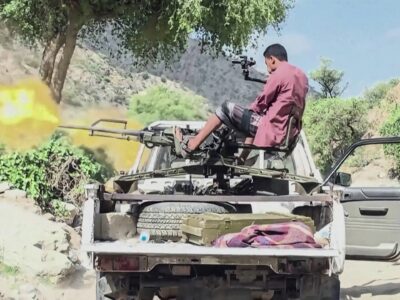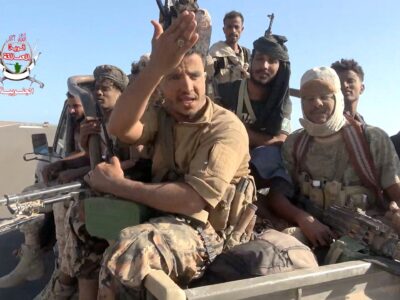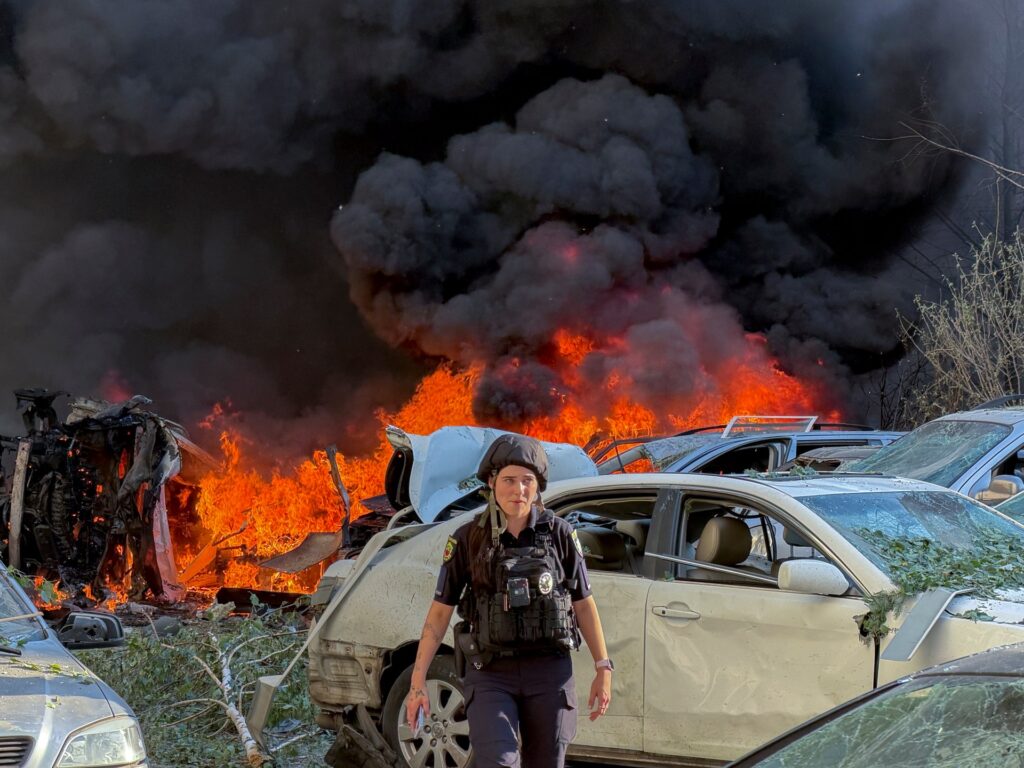
In a grim continuation of the conflict that has now extended into its fifth year, the ongoing war between Russia and Ukraine has seen a deadly escalation with more than ten people reported killed amid heavy exchanges of fire. Both sides intensified their attacks over recent days, showcasing no willingness to back down.
Heavy artillery barrages, missile strikes, and ground assaults have become a bitter routine for residents of affected areas, bringing immense suffering and destruction. The fatalities include both military personnel and civilians who have been caught in the crossfire amid the widening hostilities.
The conflict, which began in 2014, has roots in political and territorial disputes, and despite numerous international efforts for peace, the situation remains volatile. The latest outbreak of violence underscores the persistent instability in the region.
Military analysts suggest the intensified clashes could signal a new phase of warfare, as tactical shifts and resource allocations hint at longer-term campaigns being planned by both sides. The exchange of fire has particularly impacted eastern Ukraine, where contested territories have been the epicenter of many clashes.
International reactions have ranged from urgent calls for ceasefire to condemnations and promises of further support for Ukraine. Diplomatic efforts continue, though the complex nature of the conflict presents significant challenges to any resolution.
The humanitarian impact of this renewed violence is profound. Displacement of families, disruption of essential services, and damage to infrastructure have compounded the already dire situation for civilians in war-affected zones. Aid organizations are struggling to provide sufficient help amid the dangers posed by ongoing hostilities.
As the war persists, the toll on human life and stability in the region continues to mount. With no clear end in sight, observers fear the cycle of violence may continue to escalate, dragging the region into deeper turmoil.
Calls for peace and dialogue remain urgent, with hopes pinned on renewed negotiations to halt the bloodshed. However, the current realities on the ground paint a grim picture of a conflict entrenched in fierce competition for control, compounded by geopolitical complexities.
The international community watches with concern as the situation develops, recognizing that the broader implications of this conflict extend beyond the immediate region, affecting global security and diplomatic relations worldwide.
Efforts to mediate and support peace processes are ongoing but face significant hurdles given the entrenched positions and recent escalations. Meanwhile, communities caught in the conflict brace for the uncertain days ahead, hoping for an end to the violence that has marked their lives for half a decade.