In a series of aggressive actions escalating the ongoing conflict, Russia launched strikes on Ukraine’s strategic Odesa port and reportedly killed a railway worker in the Zaporizhia region. These attacks have drawn sharp condemnation from Ukrainian officials, who describe them as manifestations of terrorism aimed at debilitating the country’s vital civilian infrastructure.
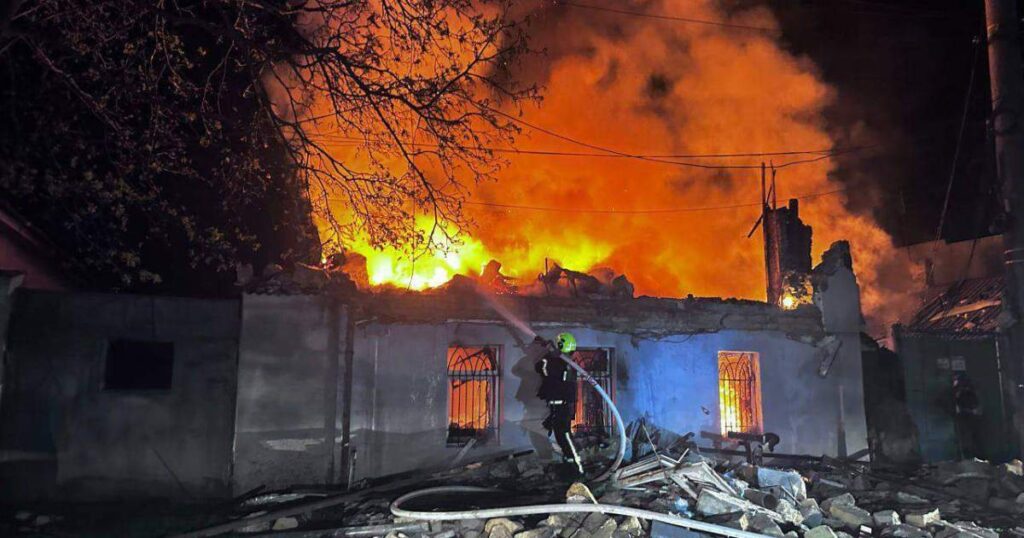
The Odesa port, a crucial hub for Ukraine’s economy and international trade, was targeted in a missile strike that caused significant damage to the port’s facilities. This port is not only essential for Ukraine’s export of goods, including grain and other commodities, but also serves a strategic military and logistical role in the region.
Meanwhile, in the Zaporizhia region, a railway worker was killed in a separate attack, highlighting the human cost and the broader impact of the conflict on civilian life and essential services. The railway networks play a vital role in transportation and supply chains across Ukraine, making them a critical part of the country’s infrastructure.
Ukraine’s Deputy Prime Minister condemned these attacks, labeling them as “another proof of terrorism” by Russia. He emphasized that these strikes are deliberate attempts to destroy civilian infrastructure, disrupt economic stability, and terrorize the population.
The international community has been closely monitoring the situation, with many countries expressing concern over the escalation of attacks on civilian targets. The strikes on Odesa port and the killing of a railway worker in Zaporizhia reinforce fears about the intensification of the conflict and its devastating effects on civilian populations and the economy.
These incidents underscore the ongoing challenges faced by Ukraine amid the conflict, including maintaining critical infrastructure, protecting civilians, and preserving economic activities that are vital for the nation’s survival and resilience.
Ukrainian authorities have called for increased support from international allies to help protect and rebuild damaged infrastructure and to bolster the country’s defense capabilities.
The attacks on Odesa and Zaporizhia come amid continued diplomatic efforts to find a resolution to the conflict, though the situation on the ground remains volatile and unpredictable.
As the conflict persists, the targeting of civilian infrastructure and personnel raises urgent concerns about the humanitarian impact and the broader consequences for regional stability and security in Eastern Europe.