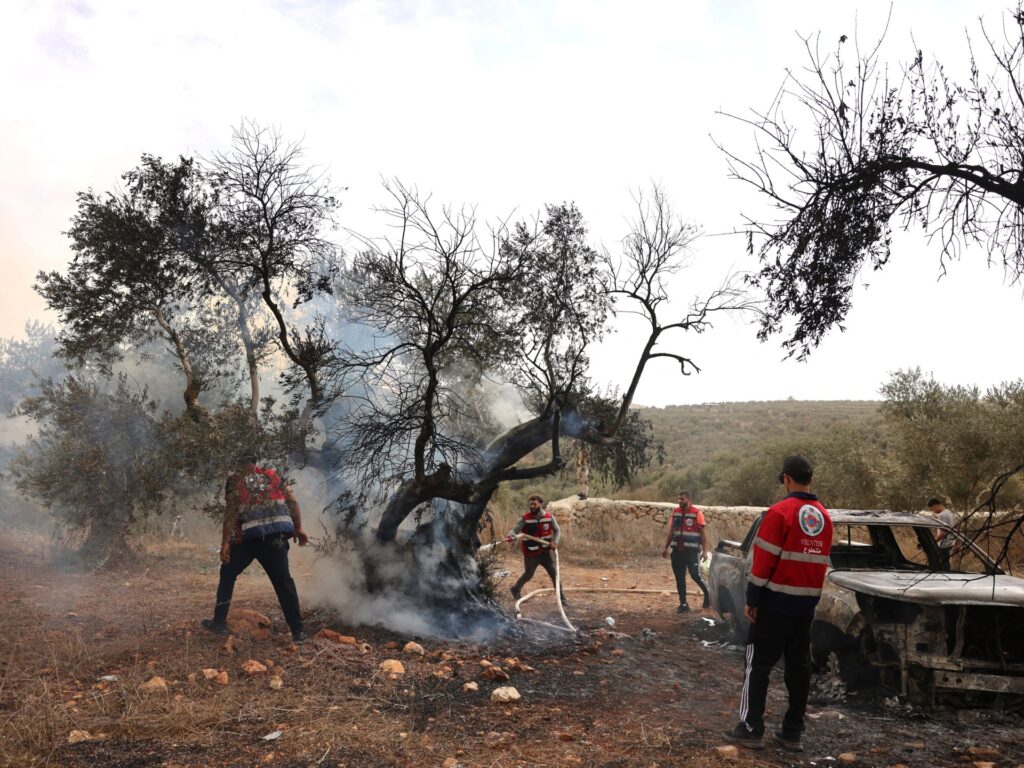
In the occupied West Bank, tensions escalated as Israeli settlers launched violent attacks amid the olive harvest season. Reports confirm at least two individuals suffered injuries, one being a journalist from the Washington Post, during a pogrom carried out by settlers armed with clubs and guns. This incident underscores the ongoing volatility and strife in the region, where agricultural activities such as olive harvesting are frequently disrupted by settler violence.
The olive harvest is a crucial time for Palestinian farmers, both economically and culturally. However, this period often exposes them to heightened risks of attacks from settlers who seek to assert control over lands in the West Bank. The violent episodes typically involve physical confrontations, destruction of trees and property, and intimidation tactics aimed at displacing Palestinian communities.
In this recent attack, witnesses described how groups of settlers confronted Palestinians gathering olives, using weapons to instill fear and cause harm. The presence of the Washington Post journalist indicates a growing international concern and scrutiny over settler-induced violence and its impact on the local population.
Security forces on the ground have been criticized for their inadequate response to settler violence, often failing to prevent attacks or protect Palestinian civilians effectively. This recurring pattern fuels tensions and undermines prospects for peace and coexistence in the disputed territories.
Human rights organizations continue to document these abuses, calling for increased international intervention and accountability measures to safeguard Palestinian rights and ensure the protection of journalists covering the conflict. The international community has expressed alarm over the persistent aggression by settlers, demanding that the Israeli government take concrete steps to stop such acts and uphold the rule of law.
The incident serves as a grim reminder of the deep-seated issues fueling the Israeli-Palestinian conflict, particularly regarding settlement expansion and the impact on Palestinian livelihoods. Without a concerted effort to address the underlying causes and enforce protection for vulnerable populations, such violent outbreaks are likely to persist, exacerbating an already volatile situation.
As olive trees stand as symbols of Palestinian heritage and resilience, attacks during the harvest not only inflict physical damage but also strike at the heart of a community’s identity. The international spotlight on this incident may help drive advocacy and policy changes aimed at ending settler violence and fostering a more just and peaceful resolution to the conflict.