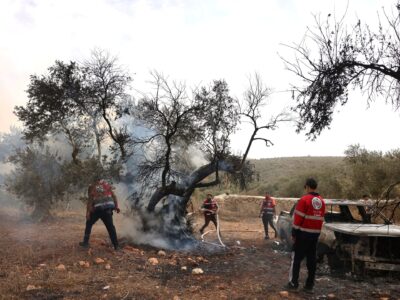
In a recent escalation that threatens the fragile peace in the region, Israel has launched an attack on a mosque located in Lebanon. This incident is being condemned by various international observers and Lebanese officials as a blatant violation of the ongoing ceasefire agreement between the two countries.
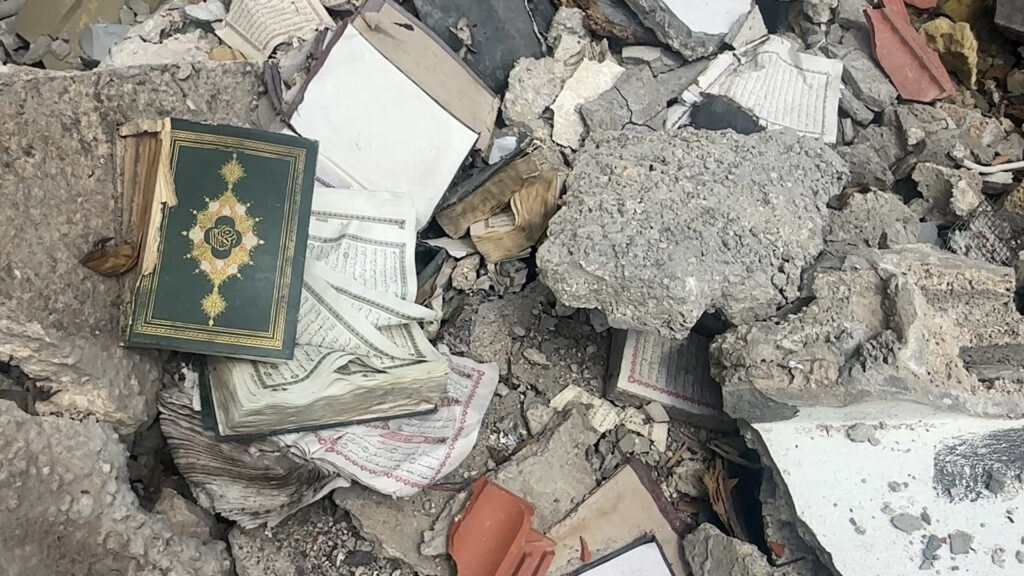
The attack reportedly occurred during the early hours, targeting the mosque in a Lebanese border town. While details about casualties and damage are still emerging, initial reports indicate significant destruction to the mosque structure. Such an attack has inflamed tensions between Israel and Lebanon, both of which have experienced fluctuating periods of conflict and uneasy peace over the years.
The ceasefire, which was established to reduce hostilities after previous confrontations, aimed to prevent incidents that could lead to a broader conflict. However, the mosque attack is the latest in a series of incidents that seem to undermine this fragile truce.
Lebanese officials have condemned the attack, calling it a violation of Lebanese sovereignty and an act of aggression that could destabilize the region further. Hezbollah, the powerful militant and political group based in Lebanon, has also issued a statement condemning the attack and vowing to respond to any aggression.
Israel, on its part, has not officially commented on the attack as of now. However, sources close to the Israeli defense establishment suggest that the operation targeted specific perceived threats in the area, claiming it was a necessary action to maintain security.
The international community has expressed concern over the attack. The United Nations has called for restraint from both sides and urged for renewed dialogue to maintain peace and stability in the region. Several countries have appealed for calm and warned against actions that could escalate the conflict.
The attack has also sparked protests and unrest within Lebanon, where citizens fear that renewed violence could devastate the already fragile national situation. The destruction of a mosque, a place of worship and community gathering, has injured not just the physical structure but also heightened emotional and religious sensitivities.
Analysts suggest that this incident could be part of a broader pattern of escalating violence in the area, where ceasefire agreements have repeatedly been tested by sporadic attacks and retaliations. The lack of effective enforcement and monitoring mechanisms for the ceasefire deal continues to hamper efforts to achieve lasting peace.
The situation remains tense as both sides assess the implications of the attack. International diplomatic efforts are expected to intensify in the coming days to prevent further escalations and find a pathway back to negotiated peace.
In summary, the attack by Israel on a mosque in Lebanon marks a serious breach of the ceasefire and threatens to destabilize an already volatile region. The repercussions of this event will likely influence regional dynamics for the foreseeable future, underscoring the urgent need for renewed dialogue and conflict resolution efforts.