Ethiopia has officially announced the installation of an interim government in the Tigray region following a significant military pushback against the Tigray People’s Liberation Front (TPLF) uprising. This move marks a critical juncture in the nation’s efforts to restore stability and governance in the area, which has been marred by conflict and turmoil for an extended period.
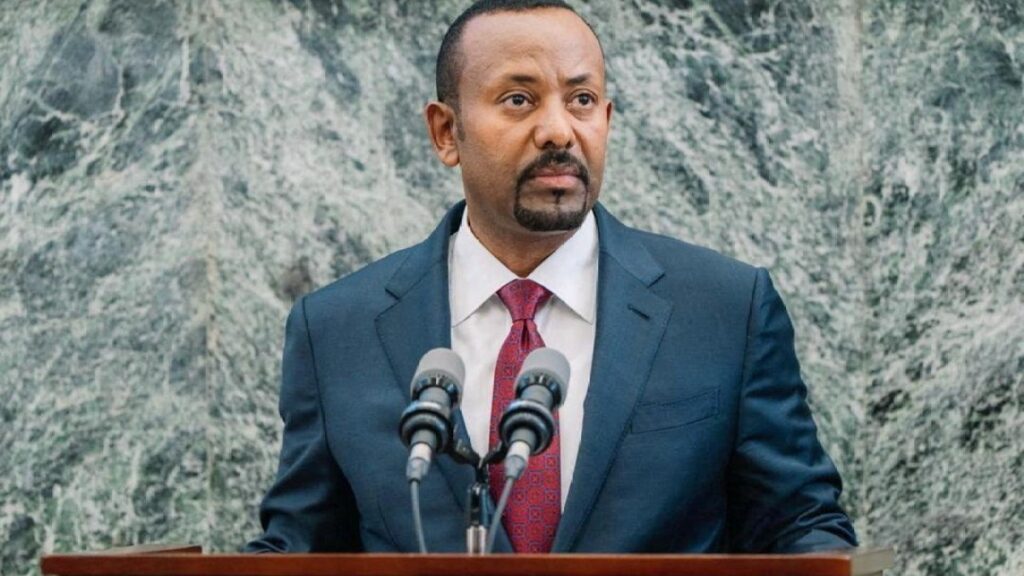
The initiative comes as Prime Minister Abiy Ahmed, who has been at the forefront of Ethiopia’s political landscape since 2018, reaffirmed his commitment to democratic processes. After the military’s success in curtailing the TPLF rebellion, PM Abiy Ahmed promised to hold free and fair elections within the next six months, providing a roadmap for political normalization and reconciliation.
The conflict with the TPLF, which escalated in late 2020, resulted in widespread humanitarian challenges and disrupted governance across the Tigray region. The federal government’s efforts to reassert control have been met with both military and diplomatic maneuvers aimed at restoring peace and orderly administration.
The establishment of an interim government is expected to facilitate the delivery of essential services, reconstruction efforts, and the reestablishment of the rule of law in Tigray. It is also seen as a step towards addressing the underlying political grievances by creating a transitional authority capable of overseeing the region until the promised elections are conducted.
International observers and humanitarian organizations have welcomed the promise of elections and the formation of an interim government, viewing these developments as potential catalysts for lasting peace and stability in Ethiopia. However, the situation remains delicate, with ongoing concerns about security, human rights, and the need for inclusive political dialogue.
Prime Minister Abiy Ahmed’s commitment to conducting free elections within six months underscores the government’s intent to move forward with democratic reforms and national unity. The upcoming elections will be closely watched by both domestic stakeholders and the international community as a test of Ethiopia’s political resilience and commitment to peaceful governance.
This historic announcement signals a turning point for Tigray and Ethiopia as a whole, offering hope for reconciliation, rebuilding, and renewed democratic engagement. The road ahead will require careful navigation of complex political dynamics, but the interim government’s installation and electoral timeline provide a foundation for progress and stability in the region.