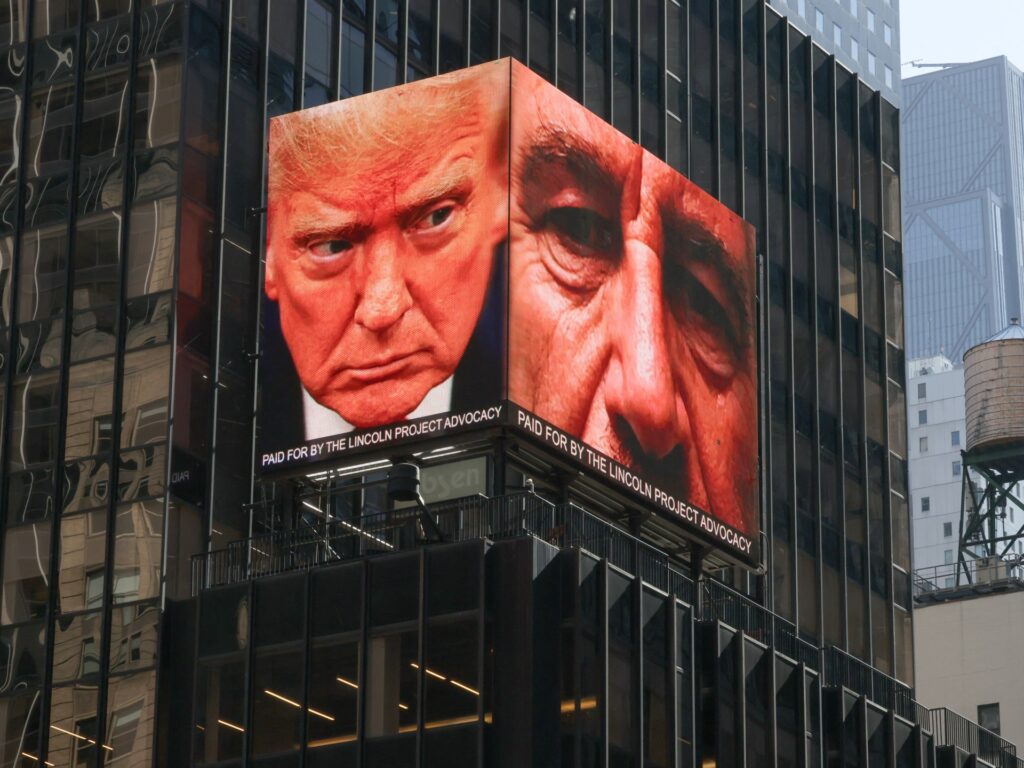
A US judge has dismissed a $10 billion defamation lawsuit filed by former President Donald Trump against The Wall Street Journal (WSJ). The lawsuit centered on a WSJ report that discussed a letter allegedly signed by Trump for Jeffrey Epstein’s 50th birthday, which was part of the broader coverage of Epstein and his controversial connections.
The lawsuit claimed that the WSJ’s coverage was defamatory and damaged Trump’s reputation by implying involvement in Epstein’s misconduct. Trump sought massive damages, accusing the newspaper of publishing false statements.
However, the judge ruled that the lawsuit did not meet the necessary legal standards to proceed, emphasizing the importance of press freedom and the public’s right to be informed about figures like Epstein, whose criminal activities had wide-reaching implications.
The WSJ report was one piece in a series of revelations about Jeffrey Epstein, a convicted sex offender with extensive ties to influential individuals. Media investigations into Epstein’s network and who might have enabled or supported his activities have been ongoing and have attracted significant public attention.
This dismissal underscores the challenges faced by public figures in defamation suits involving matters of public interest, particularly when the reporting stems from credible journalistic investigations.
Legal experts note that the case could set a precedent for future defamation litigation related to news coverage of high-profile individuals, reaffirming protections for investigative journalism when exposing truthful or newsworthy information.
Trump has not announced whether he will appeal the decision. The case highlights the complex intersection of freedom of speech, the press’s role in society, and the legal boundaries that govern defamation claims.
The ruling also reaffirms judicial support for the media’s role in scrutinizing public figures, particularly in stories involving criminal conduct and moral scrutiny.
In summary, the US judge’s dismissal of Trump’s lawsuit against the WSJ marks a significant moment for media law, reinforcing the balance between protecting reputations and ensuring robust investigative journalism in the public interest.