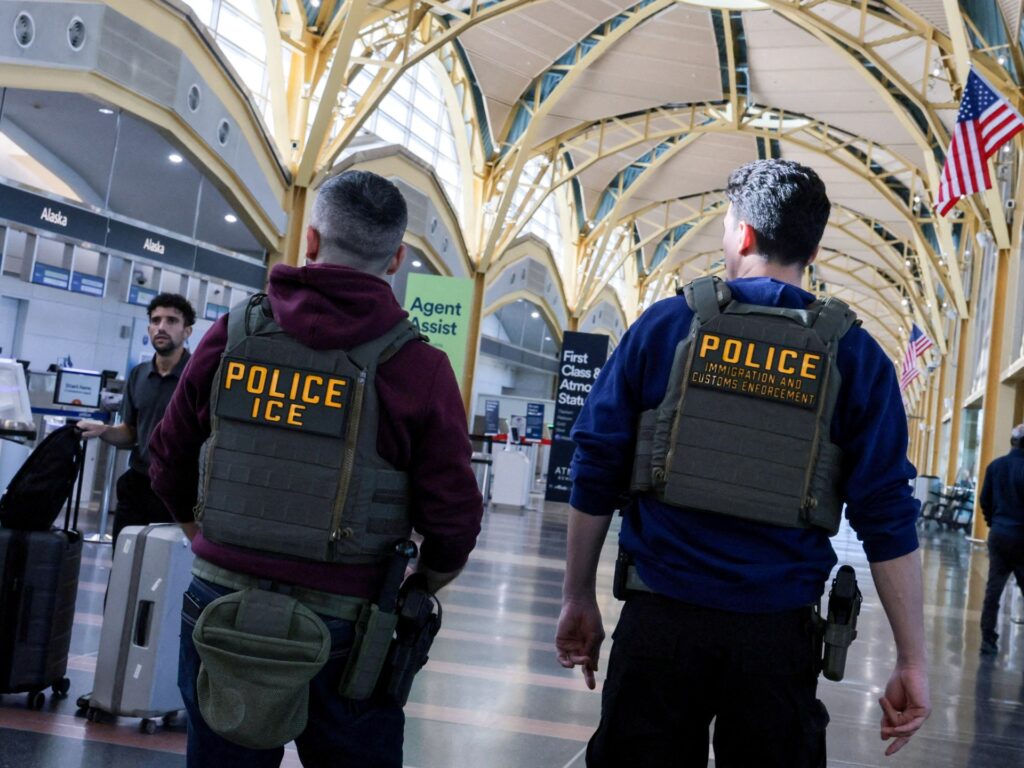
In a tightly contested vote early Thursday morning, the US Senate passed a significant funding plan allocating $70 billion to Immigration and Customs Enforcement (ICE) and the Border Patrol. The vote, which ended 50-48, signals a major step forward in efforts to reopen the Department of Homeland Security (DHS) and sustain its operations.
The funding package aims to provide essential resources to border security agencies that have been operating under constrained budgets amid increasing demands and challenges at the US borders. ICE and the Border Patrol are tasked with enforcing immigration laws and securing the nation’s borders, responsibilities that have been in the spotlight of intense political and public scrutiny.
The Senate’s approval arrives after prolonged negotiations and debate over the priorities and allocations within the DHS budget. Supporters of the funding plan argue that adequate financing is crucial to maintaining national security and managing border-related activities effectively. They emphasize the necessity of a well-funded DHS to handle immigration enforcement, border security, and related services.
Opponents of the bill, however, raised concerns about the allocation of funds, particularly in regard to ICE’s operations and the broader immigration enforcement policies. Critics argue that the emphasis on enforcement funding may overlook other important aspects such as humanitarian considerations, immigration reform, and integrated border management strategies.
This funding plan is part of a broader legislative effort to address the funding deadlock that had resulted in partial closures and operational disruptions within the Department of Homeland Security. By advancing this plan, the Senate moves closer to ensuring that key federal agencies receive the financial support necessary to function without interruption.
The $70 billion funding allocation encompasses not only budget support for personnel and equipment but also investments in technology, infrastructure, and operational enhancements aimed at strengthening border security measures.
Following the Senate’s passage, the bill will proceed to the House of Representatives for further consideration. Lawmakers in the House will now review the plan, potentially propose amendments, and strive for a consensus that can lead to final approval and enactment into law.
The debate around this funding plan underscores the complexity of immigration and border security issues in the United States. It reflects the ongoing challenges policymakers face in balancing security imperatives with humanitarian and legal considerations.
The Senate vote marks a pivotal moment in the political landscape, illustrating the polarized views on immigration enforcement and federal spending priorities. As the legislative process unfolds, the nation watches closely to see how the government will address these critical issues moving forward.