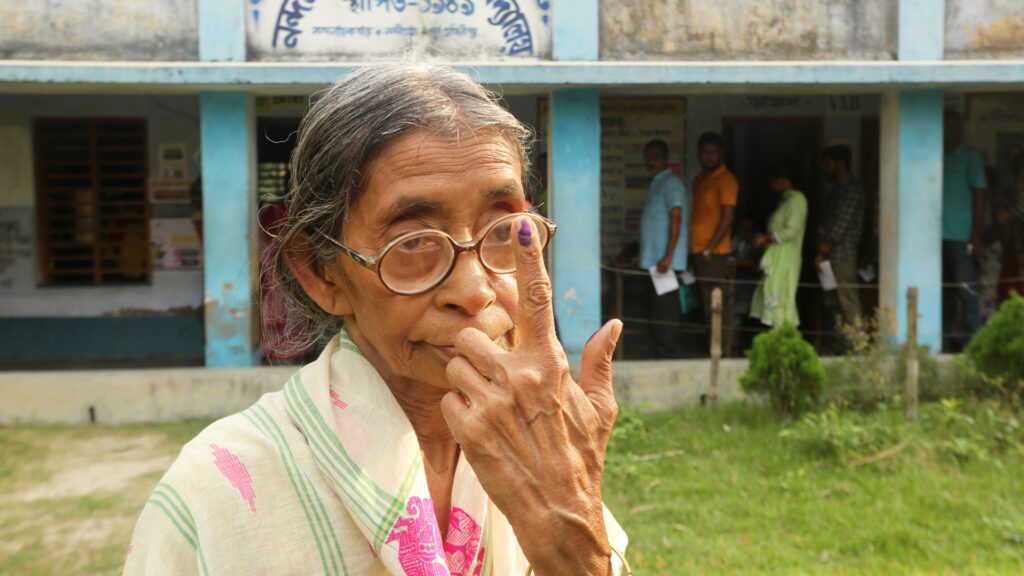
The ongoing state election in West Bengal has spotlighted a significant issue affecting millions of voters, particularly within the Indian Muslim community. Over 9 million names have reportedly been deleted from the electoral rolls, igniting widespread concern and a sense of disenfranchisement among the voters. This mass removal has prompted many Indian Muslim voters to feel frozen out of the electoral process, raising questions about the transparency and inclusiveness of the election.
West Bengal, a state with a diverse demographic including a substantial Muslim population, is currently witnessing millions of its residents participating in the state election. However, the exclusion of a large number of names from the voter lists has sparked controversy, with allegations that this move disproportionately affects certain communities, notably Muslims.
Historically, elections in West Bengal have been pivotal, drawing significant attention due to the state’s political landscape and the socio-religious composition of its electorate. The deletion of these millions of names from the voter rolls has cast doubt on the integrity of the electoral process, leading to accusations of systemic bias.
Muslim voters, who form a substantial portion of the electorate, have expressed dismay and frustration. Many claim that the mass deletions are a strategic maneuver to suppress their voting power and influence in the election outcomes. Such actions, they argue, undermine democratic principles and the right to fair representation.
Electoral officials have cited reasons such as the cleaning up of outdated or duplicate entries in the voter rolls. Yet, critics argue that the scale of deletions suggests an underlying intention to marginalize specific voter groups.
The repercussions of this wave of exclusion extend beyond the immediate election results. The disenfranchisement of millions could exacerbate communal tensions and deepen divides within the society. It also raises critical questions about the role of electoral authorities and political parties in safeguarding inclusive democratic processes.
As the election progresses, there is a growing call from civil rights groups, opposition parties, and international observers to ensure transparency and fairness in the voting process. They emphasize the need for mechanisms that protect all voters’ rights, especially those belonging to vulnerable or minority communities.
In summary, the West Bengal state election serves as a crucial test for India’s democratic ethos, highlighting the challenges faced by Indian Muslim voters amidst allegations of mass deletions from voter rolls. The situation urges a re-examination of electoral practices to promote inclusivity, fairness, and trust in democratic institutions.