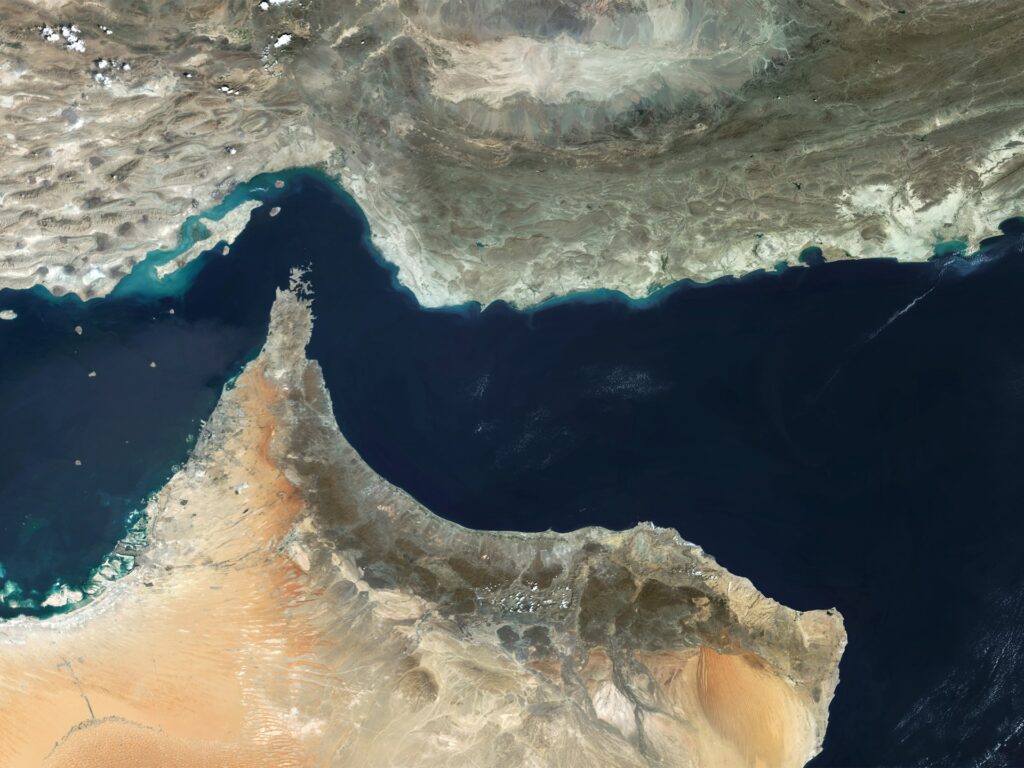
In a recent development that has sent shockwaves through diplomatic and geopolitical circles, former US President Donald Trump has threatened to blockade the Strait of Hormuz. This move marks a significant escalation in the already fraught relations between the United States and Iran, raising concerns about the stability of the fragile ceasefire currently in place.
The Strait of Hormuz, a narrow passageway between the Persian Gulf and the Gulf of Oman, is a strategic chokepoint through which a significant portion of the world’s oil supply transits. Any disruption here has far-reaching implications for global energy markets and international security.
Trump’s threat to block the strait comes amid heightened tensions over Iran’s nuclear program, regional influence, and continued sanctions imposed by the US. Analysts warn that such a blockade could provoke severe retaliation from Iran, potentially leading to an open conflict in the Gulf region.
Experts highlight that the current ceasefire between the US and Iran, which has been tenuous at best, could be undermined by this aggressive stance. The ceasefire, established through indirect communications and diplomatic backchannels, has managed to prevent immediate military confrontations but remains vulnerable to provocations.
The economic repercussions of a blockade are also a critical concern. The Strait of Hormuz is vital for the transport of oil from major producers like Saudi Arabia, Iran, Iraq, Kuwait, and the United Arab Emirates. Any blockade would severely disrupt oil exports, causing global energy prices to skyrocket and destabilizing economies worldwide.
Regional allies and international stakeholders have expressed apprehension over the potential blockade. Countries dependent on Gulf oil exports fear supply shortages, while others worry about the broader impact on global trade and security.
The move also risks alienating US allies, many of whom advocate for diplomatic engagement with Iran rather than military confrontation. European nations, in particular, have emphasized the importance of maintaining the Iran nuclear deal framework and avoiding actions that could derail ongoing diplomatic efforts.
Military experts point out that enforcing a blockade would require a significant US naval presence in the region, potentially escalating military encounters not only with Iran but also with its proxy groups operating in neighboring countries.
Iran, in response, has warned that any attempt to blockade the Strait of Hormuz would be met with military retaliation, including targeting US naval vessels and commercial shipping interests in the area. This tit-for-tat rhetoric raises the stakes for miscalculation and unintended conflict.
The international community has called for restraint and dialogue to de-escalate tensions. The United Nations and various diplomatic envoys have reiterated the urgency of preserving peace and promoting negotiations that address the underlying issues fueling the conflict.
In conclusion, Trump’s threat to blockade the Strait of Hormuz represents one of the most significant escalations in US-Iran relations in recent years. The potential consequences—ranging from destabilizing energy markets to triggering military conflict—underscore the delicate balance that must be maintained to ensure regional and global security. Diplomatic efforts remain critical to preventing a dangerous spiral of confrontation that could have devastating implications for the Gulf region and beyond.