In a significant and alarming development, former President Donald Trump has threatened to impose a blockade on the Strait of Hormuz, a critical chokepoint in global oil supply and a flashpoint in Middle Eastern geopolitics. This announcement marks the latest major escalation in the ongoing tensions between the United States and Iran, raising fears of a broader conflict in the already volatile region.
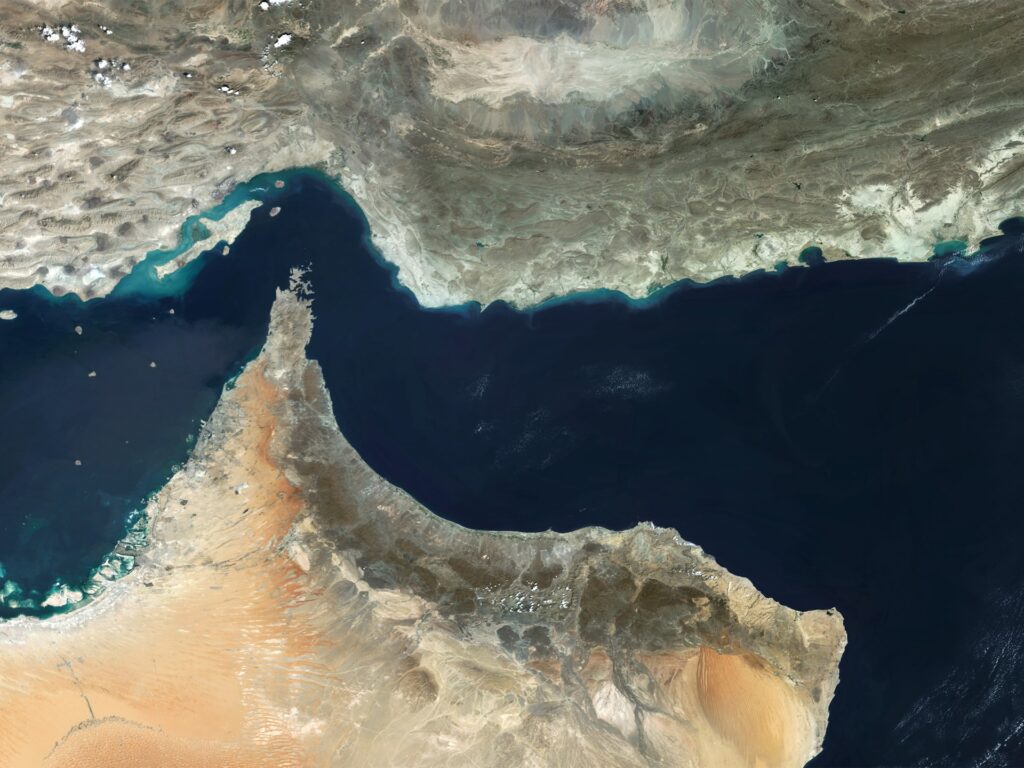
The Strait of Hormuz, a narrow waterway between the Persian Gulf and the Gulf of Oman, is one of the world’s most strategically important maritime passages. Approximately one-fifth of the world’s petroleum passes through this strait, making its security vital for the global economy. Any disruption to shipping lanes here can cause significant spikes in oil prices and global market instability.
Trump’s threat has spurred immediate alarm among international analysts and policymakers. Many experts warn that a US-led blockade could undermine the fragile ceasefire and de-escalation measures currently in place between Washington and Tehran. This fragile ceasefire, aimed at preventing direct military confrontations, has been precarious and often fleeting, making any aggressive moves highly risky.
Washington’s blockade threat appears to be part of a broader strategy of maximum pressure intended to curb Iran’s nuclear ambitions and regional influence. However, critics argue that such measures could backfire, galvanizing hardliners within Iran and escalating military tensions rather than fostering diplomatic solutions.
Historically, the Strait of Hormuz has been a site of numerous clashes and confrontations, including the tanker wars during the Iran-Iraq conflict in the 1980s and more recent incidents involving naval vessels and oil tankers. The international community has consistently advocated for the free flow of commerce through these waters to avoid disrupting the global oil supply.
The potential blockade could complicate relationships not only between the US and Iran but also with key global allies and regional partners. Countries reliant on Gulf oil, including China, India, Japan, and many European nations, might be adversely impacted economically and politically by disrupted trade flows.
Diplomatic efforts have been ongoing to stabilize the region, including talks between various world powers and attempts to revive the Iran nuclear deal. However, Trump’s statement threatens to undermine these efforts by escalating tensions and reducing the willingness of parties to negotiate.
Analysts emphasize the importance of measured and restrained diplomacy to manage the situation. They caution that military escalation could lead to unintended consequences, including a broader regional conflict, increased oil prices, and significant global economic repercussions.
In conclusion, Trump’s threat to blockade the Strait of Hormuz is a major escalation that risks destabilizing an already fragile ceasefire between the US and Iran. The international community must carefully navigate this crisis to avoid plunging the region into war, preserve vital oil supply routes, and maintain global economic stability.