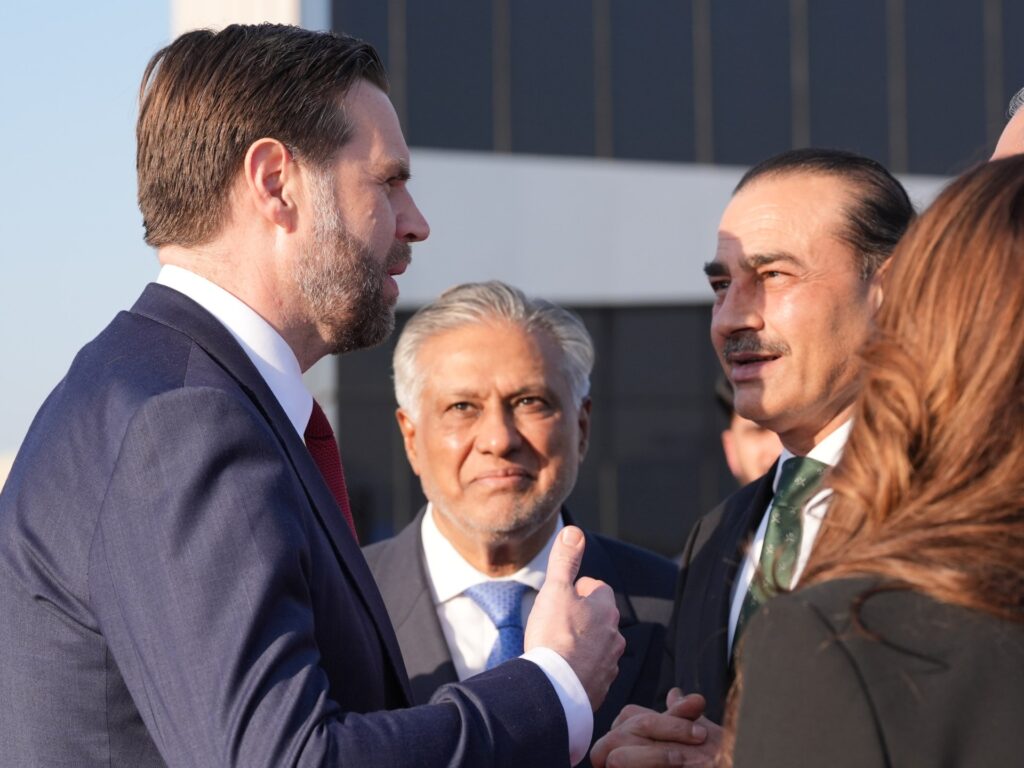
In recent efforts to defuse escalating tensions in the Middle East, Pakistan has been acting as a mediator, hosting marathon talks between the United States and Iran in Islamabad. However, these high-profile negotiations have ended without any breakthrough agreement, casting doubt on the fragile ceasefire that had been tenuously holding the situation in check.
The US-Iran talks, which aimed to bridge long-standing differences and address urgent regional security concerns, lasted several grueling days. Despite the extended engagement and intense diplomatic efforts, both sides walked away without a consensus, underscoring the deep-rooted challenges in their bilateral relations.
Pakistan’s role in facilitating these discussions highlights its strategic interest and influence in regional stability. Positioned geographically and politically at the crossroads between the West and the Middle East, Islamabad’s initiative aimed to leverage its unique diplomatic channels to bring the two adversaries closer.
The failure of the talks poses significant risks. The fragile ceasefire, which provided a brief respite from active hostilities, is now under increasing strain. Analysts warn that without renewed dialogue, the possibility of renewed conflict escalates, threatening broader regional security.
Pakistani officials have expressed disappointment at the impasse but remain committed to exploring alternative diplomatic avenues to revive the dialogue. They emphasize that while the window for productive negotiations may be narrowing, it is not yet closed.
International stakeholders are closely watching the aftermath of the talks, recognizing that US-Iran relations are pivotal to peace and stability in the Middle East. The diplomatic breakdown serves as a sobering reminder of the complexities involved in resolving decades-long hostilities.
In the wake of the failed negotiations, calls for renewed engagement have intensified. Global leaders stress the necessity of maintaining communication channels, even if interim progress proves elusive, to prevent further deterioration.
Pakistan’s persistent diplomatic engagement is seen as a critical, though challenging, effort to catalyze renewed talks. The country’s leadership is reportedly preparing proposals and confidence-building measures aimed at rekindling trust between Washington and Tehran.
The coming weeks will be critical in determining whether these efforts will bear fruit or if the diplomatic stalemate will deepen. Both sides face pressure not only from their domestic constituencies but also from international allies urging peaceful resolutions.
The US government’s stance remains firm yet open to dialogue, while Iran continues to advocate for respect to its sovereignty and the lifting of sanctions. This deadlock reflects fundamental disagreements that must be addressed to achieve a sustainable peace.
Experts suggest that smaller, incremental agreements on non-contentious issues could pave the way for more comprehensive negotiations. Pakistan’s diplomatic strategy may involve facilitating such steps to build momentum.
Meanwhile, the humanitarian situation in the region continues to worsen as the ceasefire suffers from violations and the prospects for an enduring peace diminish. The international community faces mounting challenges to provide relief and support reconciliation.
In summary, Pakistan’s role as a mediator has spotlighted the narrow window available to resuscitate US-Iran talks. The failure of the recent Islamabad summit underscores the fragility of current peace efforts but also the critical need for persistent diplomatic engagement to avoid a full-scale resurgence of conflict in the strategically vital Middle East.