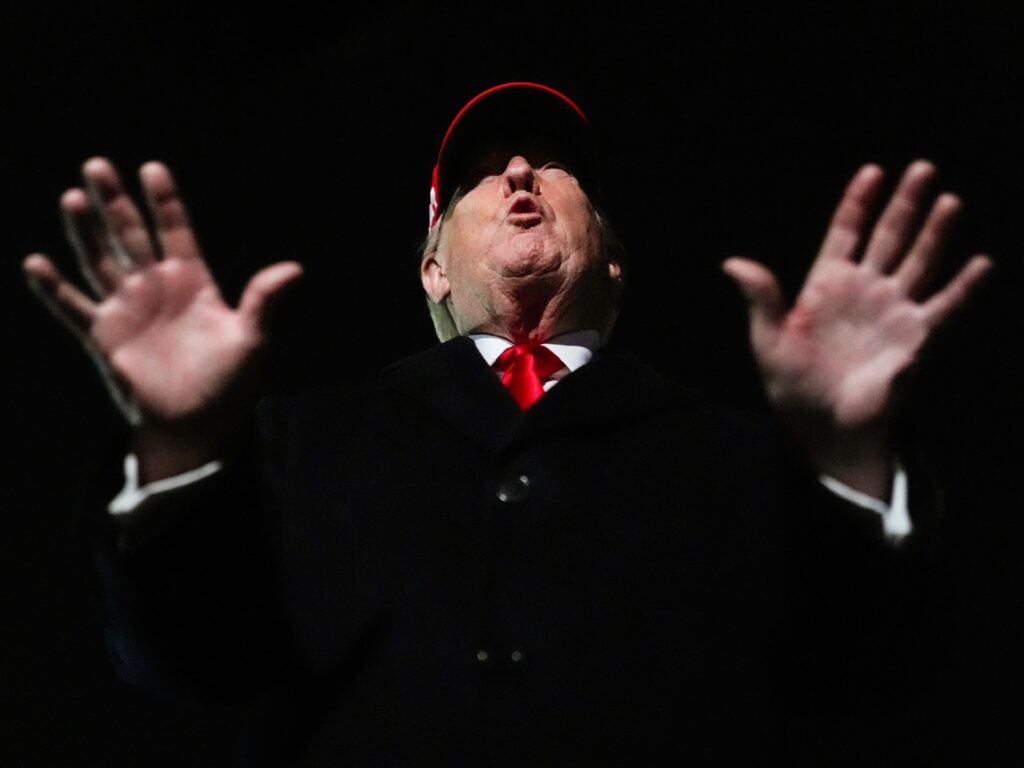
In a bold and contentious move, US President Donald Trump has announced that Iranian military vessels approaching the newly established US naval blockade zone in the Gulf will be “immediately eliminated.” This declaration marks a significant escalation in the tensions between the United States and Iran, amid ongoing conflicts over Iran’s nuclear program and regional influence.
The naval blockade, which was initiated recently, aims to curb Iranian maritime activities and to enforce US sanctions targeting Iran’s economy. By deploying a powerful naval presence in the Gulf, the US seeks to restrict Iran’s naval movements and to prevent any military or commercial ships from breaching the blockade.
President Trump’s statement underscores the seriousness with which the US is treating any potential threats in the blockade zone. “Any Iranian ships that come near or attempt to cross the blockade will be considered hostile and will be eliminated,” he stated, signaling a no-tolerance approach towards Iran’s naval operations.
This firm stance is expected to heighten already tense relations in the Middle East. Iran has previously condemned US naval activities in the Gulf, describing them as provocative and illegal under international law. In response, Iran’s Revolutionary Guard Corps navy has vowed to challenge any attempts by the US to constrain its operations.
Military experts warn that the announcement dramatically raises the risk of direct confrontation between US and Iranian forces. Such clashes could rapidly spiral into wider conflict, with severe implications for regional stability and global oil markets, as the Gulf is a critical shipping route for oil exports.
The US naval blockade is enforced by powerful warships, including aircraft carriers and guided missile destroyers, accompanied by advanced surveillance and missile defense systems. This show of force aims to deter Iran from engaging in aggressive or illegal maneuvers in the maritime zone.
International reactions to the blockade and Trump’s declaration have been mixed. Some US allies express support for the effort to contain Iran, while others caution that aggressive posturing could undermine diplomatic avenues and escalate violence.
The United Nations and several global powers have called for calm and restraint from both sides to prevent any unintended conflict. Diplomatic efforts continue alongside the military measures, with ongoing negotiations aimed at resolving the broader issues driving the conflict.
Iranian officials have yet to respond publicly to the immediate elimination threat, but previous statements suggest Tehran will not back down easily. The Gulf’s strategic significance, combined with entrenched political hostilities, makes this confrontation a serious point of concern for international security.
As the blockade continues, maritime experts and security analysts are closely monitoring the situation for signs of any naval engagements. The US has indicated it will maintain a robust presence in the Gulf region to enforce the blockade and protect its interests.
The coming weeks and months will be critical in determining whether heightened rhetoric translates into actual conflict or if diplomatic channels can be revived to deescalate tensions. For now, the message from the US is clear: Iranian vessels approaching the blockade face immediate elimination, a stark warning of the risks inherent in the volatile Gulf.