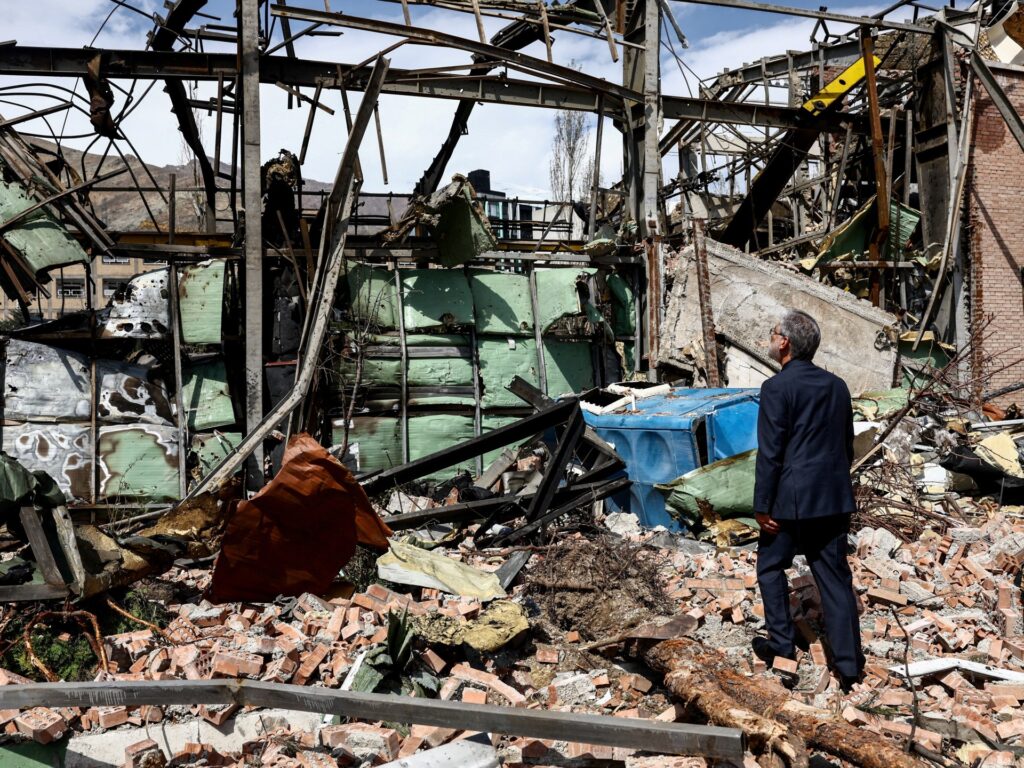
A devastating bombing at Iran’s top university has resulted in the deaths of 34 people, marking a severe escalation in the ongoing conflict involving the United States and Israel. Tehran has responded with strong condemnation, accusing the former US administration under President Donald Trump of inciting what it terms ‘war crimes’ by intensifying attacks on Iranian infrastructure.
The attack on the prestigious university has sent shockwaves across the region and the international community. Authorities in Tehran have vowed to respond ‘in kind’ to these aggressive acts, signaling a potential increase in retaliatory measures.
Iran’s Foreign Ministry spokesperson stated that the bombardment is part of a systematic campaign aimed at crippling Iran’s educational and scientific advancements. The university, a symbol of Iranian academic excellence, was targeted in what Tehran describes as an unjustifiable assault on its sovereignty and cultural heritage.
The US and Israel have not officially confirmed responsibility for the bombing. However, heightened military activities and intelligence operations in the region underscore the escalating tensions between these nations and Iran.
This attack adds to a series of recent strikes against Iranian infrastructure, including energy facilities and military sites, which have raised fears of broader conflict. Analysts warn that such confrontations risk spiraling out of control, jeopardizing regional stability and global security.
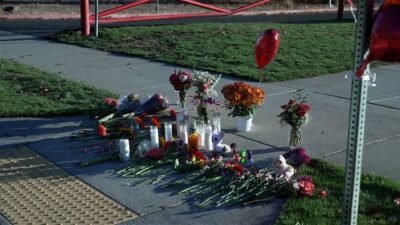
Domestic reactions within Iran have been characterized by widespread mourning and calls for unity against foreign aggression. Students and faculty at the affected university participated in vigils and protests, demanding justice and international accountability.
International responses have varied. Some countries have expressed concern over the violence and urged de-escalation, while others remain cautious in their statements, reflecting the complex geopolitical interests at play.
The bombing underscores the fragile state of Middle Eastern geopolitics, where longstanding grievances, strategic rivalries, and national security concerns converge. The consequences of this attack are likely to shape diplomatic relations and military postures for months to come.
As Tehran prepares its response, global observers are calling for restraint from all parties to prevent further loss of life and to encourage dialogue over conflict. The hope remains that through diplomatic channels, a resolution can be found to avert additional tragedies.
This incident marks a significant chapter in the continuing saga of Iran’s struggles with external pressures and internal resilience, highlighting the enduring complexities of international relations in this volatile region.