The Artemis II mission promises to be a historic achievement in human space exploration, potentially setting a new record for the farthest distance humans have traveled from Earth. This upcoming mission is part of NASA’s Artemis program, which aims to return humans to the Moon and establish a sustainable presence there.
Artemis II will follow in the footsteps of the Apollo missions, which were the first and only previous manned voyages to the lunar surface. The Apollo program, conducted between 1961 and 1972, saw a total of 11 missions, with six successfully landing astronauts on the Moon. Apollo 11, in 1969, marked the first time humans set foot on the lunar surface, with Neil Armstrong and Buzz Aldrin making history.
The Artemis program builds on the successes of Apollo but incorporates modern technology and objectives suitable for long-term exploration and eventual Mars missions. Artemis I was an uncrewed flight that tested the Space Launch System (SLS) and Orion spacecraft’s capabilities, paving the way for crewed missions.
Artemis II will carry astronauts aboard the Orion spacecraft for a lunar flyby around the Moon, traversing greater distances from Earth than any previous mission.
The mission is designed to validate systems crucial for deep space exploration, such as life support, navigation, and communication technologies.
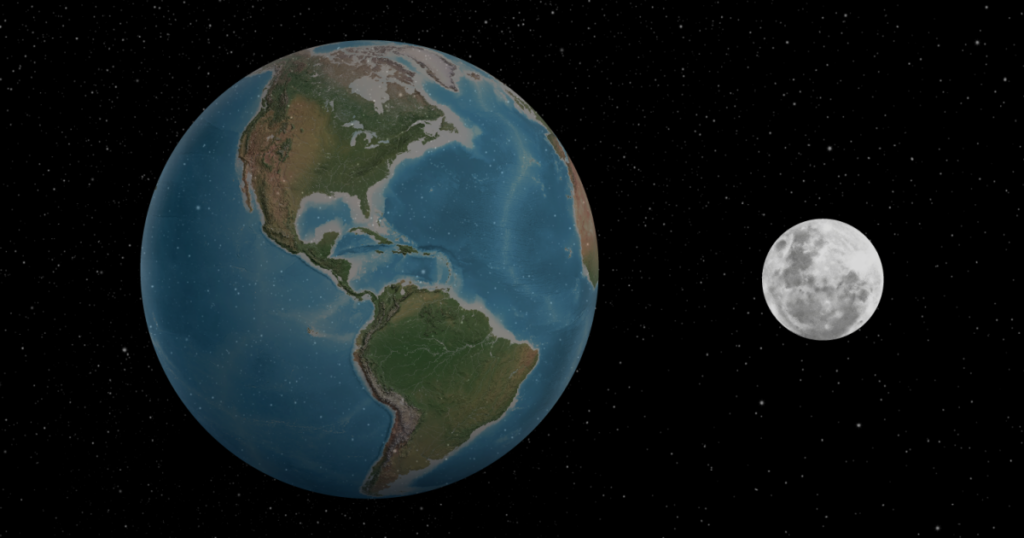
Comparing Artemis II to past missions, Apollo 13 holds the record for the farthest humans traveled from Earth at about 400,171 kilometers during its abortive mission around the far side of the Moon. Artemis II aims to surpass this, pushing the boundaries of human spaceflight.
The Artemis missions signify a new era of international cooperation, scientific discovery, and exploration beyond our planet. By advancing our capabilities in space, they pave the way for future missions to Mars and beyond.
In summary, Artemis II represents a critical step forward in human space travel, building upon past lunar missions and striving to break distance records in our quest to explore the cosmos.