As the Iran conflict enters its 38th day, tensions between Iran and the US-Israeli coalition continue to escalate, marked by a series of aggressive military actions and strategic maneuvers. The ongoing hostilities have compounded regional instability, raising fears of a broader conflict that could disrupt global peace and security.
The conflict originated from a complex web of geopolitical interests and historic rivalries in the Middle East, with Iran positioned against a coalition led by the United States and Israel. This alliance seeks to curb Iran’s influence and nuclear ambitions, while Iran defends its sovereignty and regional presence.
On day 38, the US and Israeli forces intensified their targeted strikes against what they describe as Iranian military assets and infrastructure. These attacks reportedly focus on missile sites, armament depots, and key command centers, aiming to degrade Iran’s operational capabilities.
In direct response, Iran has ramped up its missile launches and employed its drone technology to retaliate, seeking to strike back at strategic locations within Israel and US forces stationed in neighboring countries. The use of proxy groups supported by Iran in countries like Lebanon and Syria has further expanded the conflict zone.
One of the critical flashpoints has been the Strait of Hormuz, a vital maritime chokepoint through which a significant portion of the world’s oil supply transits. Recently, former US President Donald Trump issued a stern warning on Truth Social, urging Iran to reopen the Strait, implicit with a threat of repercussions if Iran continues to restrict navigation. This threat has exacerbated fears of a naval confrontation in the strategically crucial waterway.
International reactions have varied, with some countries calling for immediate de-escalation measures and diplomatic dialogue, while others support sanctions and military aid to allies engaged in the conflict. The United Nations has expressed grave concern over the potential humanitarian disaster and disruption of global trade routes.
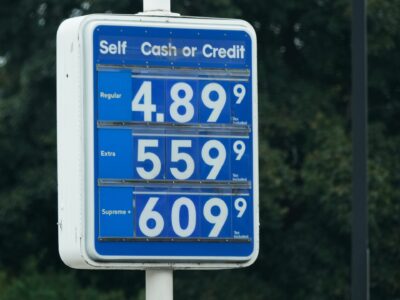
Economically, the ongoing conflict is causing sharp volatility in global oil prices, affecting markets worldwide. Energy-dependent nations are watching closely as the supply uncertainties could lead to increased costs and supply chain disruptions.
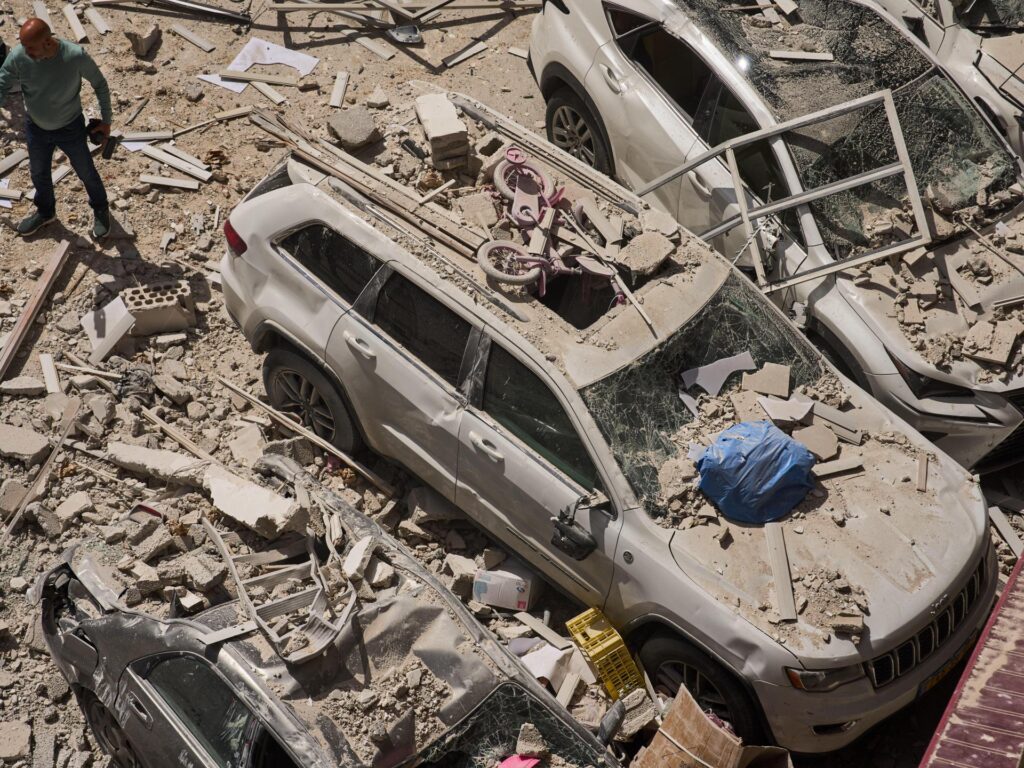
Civilians in the region face increasing hardships due to the clashes. Reports indicate rising casualties and displacement as cities near the conflict zones endure bombardment and infrastructural damage. Humanitarian organizations are mobilizing relief efforts but face logistical challenges due to security risks.
Strategically, the conflict underscores the fragile balance of power in the Middle East and the profound impact of geopolitical rivalries on regional stability. Analysts warn that failure to reach a negotiated settlement could lead to a protracted war involving multiple nations and non-state actors.
As the situation remains fluid, diplomatic channels continue to operate behind the scenes, with international mediators attempting to broker ceasefire agreements. However, trust deficits and uncompromising positions on both sides have hampered progress.
In summary, day 38 in the Iran war marks a critical juncture where military escalations and political rhetoric are intensifying a precarious situation. The global community watches anxiously as the conflict threatens to spill over, with the Strait of Hormuz remaining a particularly volatile element in the broader strategic contest.