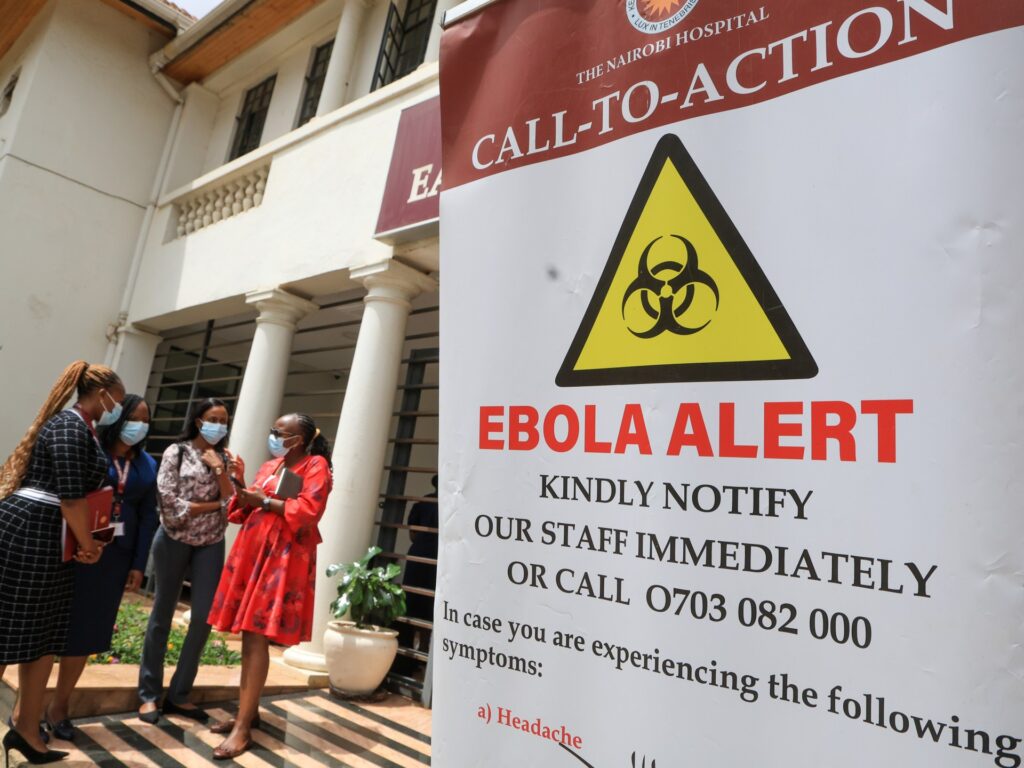
Kenya has reported the third case of Ebola, linked to the initial patient who succumbed to the virus. The Ministry of Health in Nairobi confirmed that a 65-year-old female patient is currently in quarantine after testing positive for the Bundibugyo strain of Ebola. This development underscores ongoing vigilance in the region but does not indicate any signs of community transmission at this stage.
The Bundibugyo strain, a known variant of the Ebola virus, has been responsible for several outbreaks in Africa. Immediate containment efforts have been initiated by health authorities to prevent any further spread of the virus. The patient is under strict medical supervision to manage symptoms and reduce risks of contagion.
Health officials emphasize that the current cases are connected, suggesting a localized transmission chain rather than widespread community infection. Kenya’s proactive quarantine measures are part of the country’s broader strategy to monitor and control Ebola risks, especially as the virus poses significant health threats due to its severity and high mortality rate.
In response to the new case, authorities have intensified screening at borders and public places, while educating the public about preventive measures such as avoiding contact with infected individuals and practicing rigorous hygiene.
The first Ebola patient, whose death marked the initial outbreak in this cycle, was a critical case that heightened alert across the region. Since then, the government has worked closely with international health organizations to track the virus and provide necessary medical care and resources.
Kenya’s health ministry continues to reassure the public that there is no immediate cause for panic, as early detection and isolation are key to thwarting widespread infection. The current patient’s condition and the absence of new cases support the effectiveness of these measures.
The evolving situation highlights the importance of continued surveillance, community awareness, and healthcare preparedness to swiftly address any potential new infections. Kenya remains vigilant and prepared to escalate its response as needed to protect public health and safety.