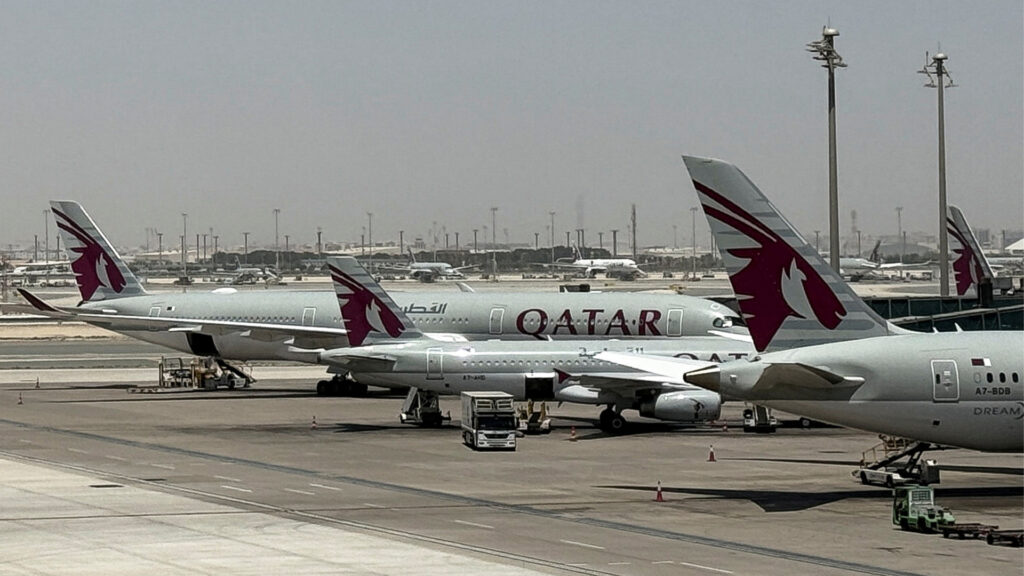
In a recent development heightening tensions in the region, Qatar’s Foreign Ministry has announced that Iranian missiles targeting its airport were successfully intercepted and downed. Majed al-Ansari, the spokesman for Qatar’s Foreign Ministry, confirmed that the missiles, which reportedly originated from Iran, were thwarted before they could reach their intended target, ensuring the safety of the airport and surrounding areas.
The incident marks a significant escalation in the ongoing geopolitical tensions between Qatar and Iran. According to al-Ansari, the missile attack was an unprovoked act of aggression, threatening not only Qatar’s national security but also the safety of civilians and infrastructure.
Qatar’s missile defense systems played a crucial role in the interception, showcasing the country’s preparedness and advanced technology in countering aerial threats. The quick response by the defense forces prevented potential catastrophic damage to one of the busiest airports in the Gulf region.
This event has provoked widespread condemnation from the international community, with calls for restraint and adherence to international laws governing state conduct and the protection of civilian aviation assets. Several countries have expressed solidarity with Qatar, emphasizing the importance of regional stability and peace.
The Iranian government has yet to issue an official statement regarding the missile incident. However, analysts suggest this attack could further strain already fragile diplomatic relations in the Middle East, potentially leading to intensified security measures and diplomatic negotiations.
Experts note that the attack on such critical infrastructure highlights the vulnerabilities that modern airports face amidst rising geopolitical conflicts. The incident has prompted Qatar to review and possibly enhance its security protocols to prevent future threats.
The international aviation community is also closely monitoring the situation to assess any long-term impacts on air travel safety in the region. Airlines operating in and out of Qatar’s airport may implement additional security measures and alter flight routes temporarily.
The intercepted missiles did not result in any casualties or significant property damage, thanks to the timely intervention by Qatar’s defense systems. This success serves as a testament to the country’s commitment to safeguarding its people and critical infrastructure against hostile actions.
As the situation develops, Qatar calls on international partners to support efforts aimed at de-escalation and peaceful resolution of conflicts in the region. The incident underscores the ongoing challenges faced by Gulf countries amidst complex regional dynamics and the need for collaborative security frameworks.
In summary, Qatar’s downing of Iranian missiles targeting its airport represents a critical moment of defense and resilience. It emphasizes the importance of vigilant security, international cooperation, and the pursuit of peaceful solutions to prevent future threats and maintain regional stability.