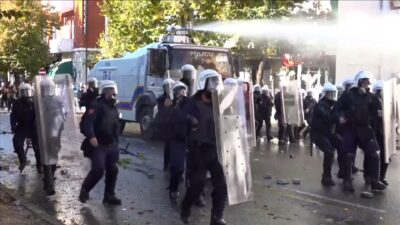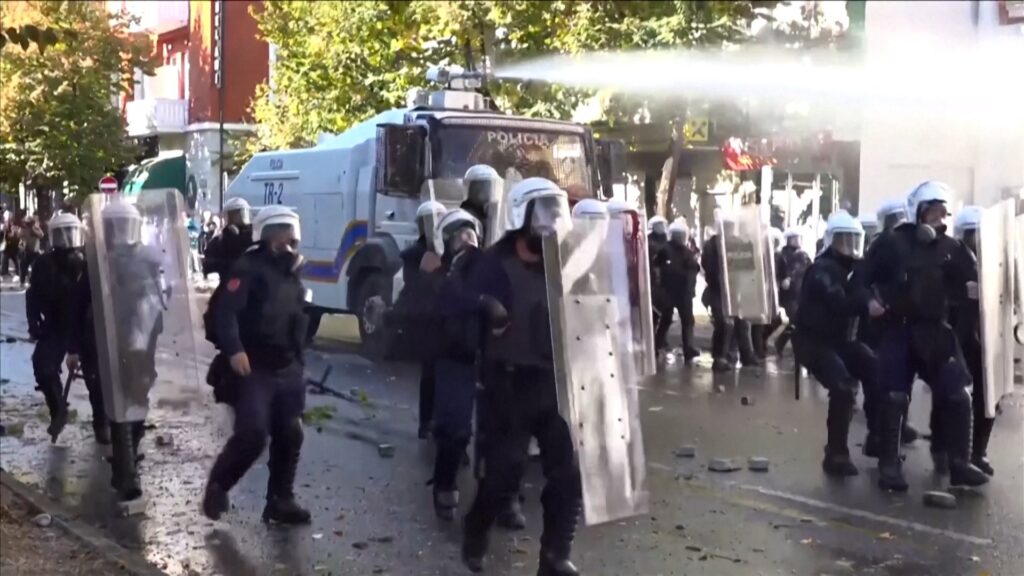
Albania has been gripped by months of widespread protests, prompting Prime Minister Edi Rama to make a striking claim about the forces behind the unrest. Speaking out amidst ongoing demonstrations, PM Rama accused ‘foreign hands’ of orchestrating the protests that have unsettled the nation.
The demonstrations, which have drawn significant public attention, revolve around various socio-political grievances. While protestors have voiced concerns over domestic issues, the government’s official stance highlights external influences allegedly aiming to destabilize the country.
Prime Minister Rama’s comments reflect longstanding sensitivities in Albania toward foreign interference, rooted in the country’s complex geopolitical history and regional dynamics. The accusations suggest that foreign entities may have strategic interests in fomenting dissent and disrupting national stability.
Throughout the protests, the government has maintained that these movements threaten public order and economic progress. Officials suggest that foreign actors could be exploiting genuine social discontent to advance their agendas.
The Prime Minister’s statement underscored the need for national unity and resilience against these purported external pressures. He urged citizens to remain vigilant and to focus on constructive dialogue to address internal challenges.
Observers note that allegations of foreign involvement are often used politically to deflect criticism and rally domestic support. Nonetheless, the specifics regarding which foreign actors are implicated have not been detailed in the Prime Minister’s remarks.
The protests themselves have highlighted a range of issues, including calls for political reform, economic improvements, and enhanced democracy. Citizens from various walks of life have taken to the streets, expressing frustration over perceived government shortcomings.
Despite the turmoil, the Albanian government emphasizes its commitment to peaceful resolution and maintaining democratic processes. The administration has promised to engage with opposition groups and civil society to find common ground.
International reactions have been cautiously observant, with some countries urging calm and dialogue. The European Union and other stakeholders have expressed concern about stability in the Western Balkans and have called for constructive engagement from all parties.
Albania’s strategic location and aspirations for European integration add layers of complexity to the situation. The government’s vigilance against foreign meddling reflects broader anxieties about sovereignty and influence in the region.
As the situation develops, the balance between addressing legitimate citizen concerns and countering alleged foreign interference presents significant challenges for Albania’s leadership.
The ongoing protests serve as a critical test for Albania’s democracy, its institutions, and its capacity to manage internal dissent while navigating external pressures.
With public opinion divided and political tensions high, the coming weeks will be crucial in determining the country’s path forward. The Prime Minister’s emphasis on foreign involvement signals a tough stance on safeguarding Albania’s autonomy and addressing the root causes of unrest.
In conclusion, the Albanian Prime Minister’s accusation of ‘foreign hands’ behind recent protests shines a spotlight on the interplay between domestic dissatisfaction and geopolitical maneuvering. How Albania manages this dual challenge will have significant implications for its future stability and democratic progress.