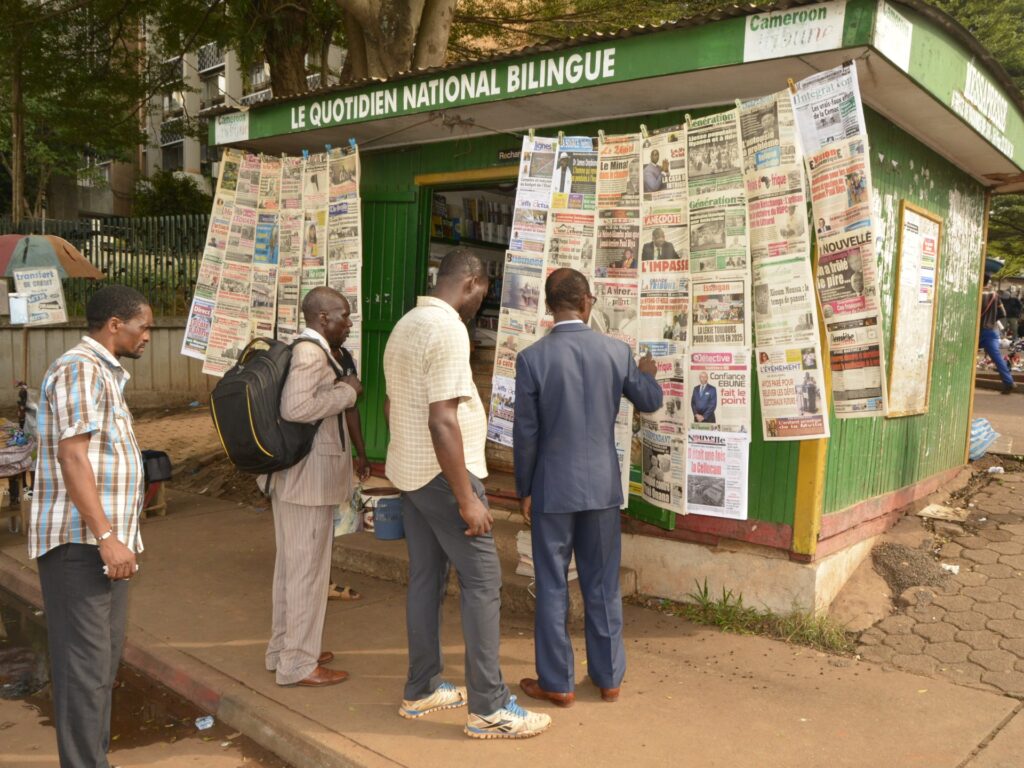
After an extended 10-week absence abroad, Cameroonians are eagerly anticipating significant political changes following President Paul Biya’s return to the country. Despite his arrival back in Cameroon, the longtime leader has yet to announce the appointment of a new government or name a vice president, fueling speculation and uncertainty among citizens and political observers alike.
Biya’s prolonged stay outside the country had prompted widespread conjecture about his health and the future direction of Cameroon’s leadership. His return was expected to be accompanied by a restructuring of the government, which many believe is necessary to address ongoing challenges the nation faces, including economic difficulties, security concerns, and social tensions.
Historically, President Biya has maintained a tight grip on executive power since taking office in 1982. His administrations have been marked by limited changes in ministerial positions and a cautious approach to political reform. The absence of a vice president has also been unusual, as the position remains vacant, leading to questions about succession plans and governance continuity.
The anticipation surrounding a government reshuffle stems from the hope that fresh appointments could signal a new phase in Cameroon’s political landscape. Analysts note that an infusion of new leaders or the reorganization of key ministries might help address persistent issues, stimulate economic growth, and improve public services.
However, the delay in announcing such changes has created a vacuum of information, prompting anxiety among Cameroonians who seek clarity and stability. Civil society organizations and political commentators have called for transparency and inclusiveness in the selection process to ensure that the government reflects the diverse interests of the population.
International observers are also watching closely, as Cameroon plays a strategic role in Central Africa’s politics and security environment. The country has faced significant challenges from separatist conflicts in the Anglophone regions, which have escalated in recent years, and the government reshuffle could influence efforts to achieve peace and reconciliation.
Moreover, the economic landscape in Cameroon requires urgent attention, with rising unemployment rates and the impact of global economic conditions affecting livelihoods. A government shake-up is seen by some as an opportunity to implement reforms that might revitalize key sectors such as agriculture, industry, and infrastructure development.
In summary, Cameroon’s political future hangs in balance as the nation awaits decisions from President Biya concerning the composition of his government. The reshuffle, when announced, could either reinforce the status quo or pave the way for a transformative agenda aimed at addressing the comprehensive needs of the Cameroonian people. Until then, uncertainty prevails, and citizens remain watchful of any signals from their president regarding the country’s path forward.