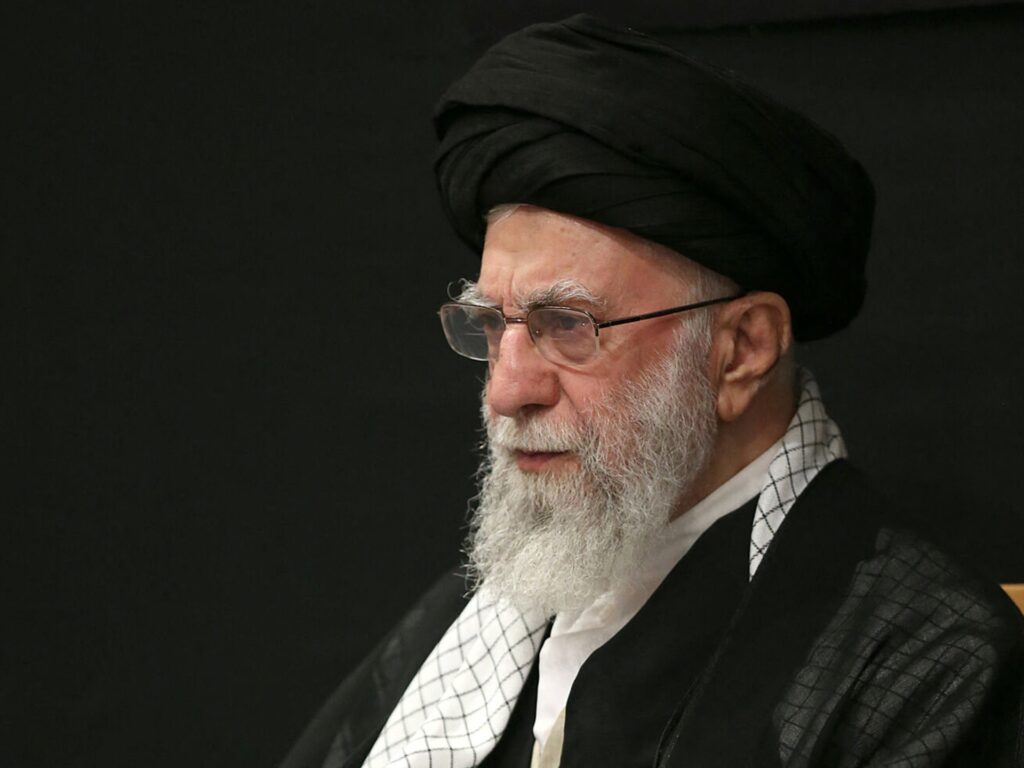
Recent reports from US media sources have shed light on a covert operation involving the United States’ CIA and Israeli intelligence services aimed at assassinating Iran’s Supreme Leader, Ayatollah Ali Khamenei. This unprecedented collaboration highlights the intricacies of international espionage and the high-stakes nature of geopolitical maneuvers in the Middle East.
According to these sources, the CIA provided critical location intelligence to Israel, which played a pivotal role in the operation’s timeline. The shared intelligence moved the timing of planned strikes forward, indicating a sense of urgency and precision in the execution strategy. This cooperation underscores the deep strategic alliance between the US and Israel concerning Iran’s nuclear ambitions and regional influence.
The operation itself remains shrouded in secrecy, with limited details available about the exact methods planned or employed. However, the involvement of the CIA in tracking Khamenei’s movements, combined with Israeli operational capabilities, suggests a highly coordinated effort. Such an assassination would undoubtedly have vast implications for regional stability, potentially igniting widespread conflict.
Iran’s leadership has long been a target for US and Israeli intelligence due to the country’s controversial nuclear program and its support for various militant groups across the Middle East. Assassinating Khamenei would represent a significant blow to the Iranian regime, potentially destabilizing its leadership structure.
The timing adjustment mentioned by US media indicates adaptive intelligence operations, where emerging data informs rapid decision-making. This agility is crucial in covert operations, especially those involving high-profile targets such as Khamenei. The shared location intelligence likely involved tracking movements through satellite imagery, human sources, or intercepted communications.
The broader geopolitical ramifications of this planned assassination are complex. Both the US and Israel must weigh the benefits of eliminating a key adversary against the risk of backlash, including retaliatory attacks and increased anti-Western sentiment in the region. Moreover, such an act could provoke responses from Iran’s allies and intensify the already volatile situation in the Middle East.
The cooperation between the CIA and Israeli intelligence services marks a notable moment in US foreign policy and intelligence operations. It reflects a willingness to engage in direct action against perceived threats, signaling to allies and adversaries alike the lengths to which these nations will go to safeguard their interests.
In conclusion, the shared intelligence that expedited the timing of assassination plans against Iran’s Supreme Leader, Khamenei, highlights a significant, albeit controversial, chapter in the ongoing conflict between these nations. The operation embodies the intricacies of modern espionage and the delicate balance of power in a region fraught with tension, where each move carries the potential for profound consequences.