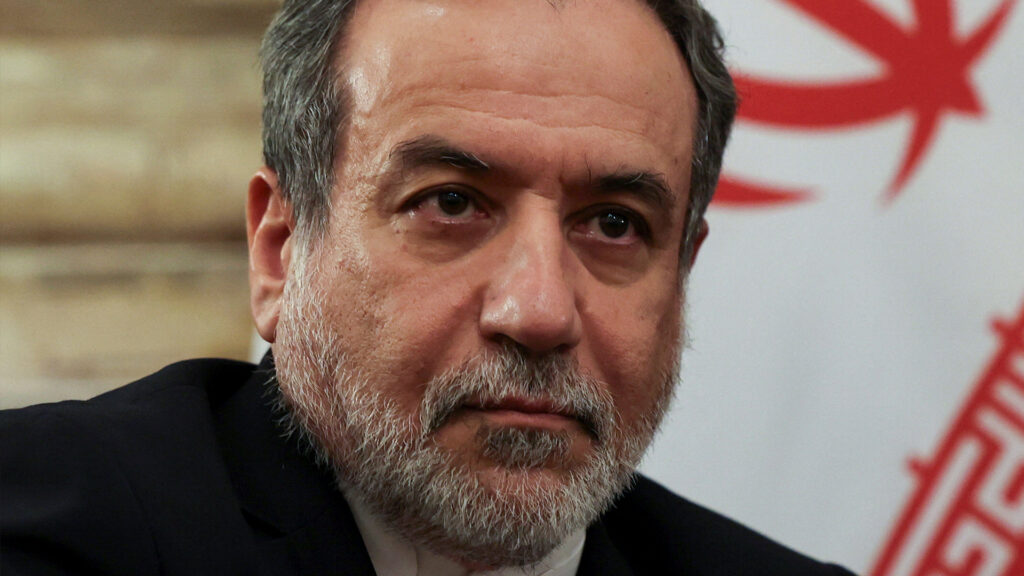
Iran’s Foreign Minister Abbas Araghchi has arrived in Oman to engage in talks with US officials, signaling a significant diplomatic move amid weeks of escalating tensions between the two countries. The visit to Oman comes at a time when regional and international concerns have heightened over the strained relations between Iran and the United States.
Abbas Araghchi’s discussions are expected to focus on various critical issues, including nuclear negotiations, regional security, and bilateral relations. Oman has often played a unique and discreet role as a mediator in Middle Eastern diplomacy, providing a neutral ground for dialogue between the US and Iran.
The arrival of the Iranian foreign minister for direct talks with US officials marks a potentially important step toward easing the friction that has flared due to recent developments in policy and regional conflicts. Both nations have seen a series of confrontations and disagreements, heightening the risk of further instability in the Middle East.
During his stay in Oman, Araghchi is likely to engage with his American counterparts on matters surrounding the Joint Comprehensive Plan of Action (JCPOA), commonly known as the Iran nuclear deal, which has been a contentious subject since the US pulled out of the agreement in 2018.
While tensions between Iran and the United States have persisted, the talks in Oman offer a window of opportunity for renewing dialogue and possibly finding common ground. The diplomatic engagement could pave the way for future negotiations that might help de-escalate hostilities and promote regional peace.
Oman’s strategic location and historically neutral stance have made it an ideal venue for such discussions. The country’s leadership has maintained open channels with both Tehran and Washington, often facilitating back-channel communications that contribute to conflict resolution efforts.
Observers highlight that the timing of Araghchi’s visit is critical, coinciding with rising global concerns about the security of energy supplies and the stability of maritime routes in the Gulf. The outcome of these talks could have far-reaching implications for international diplomacy and the geopolitical landscape of the Middle East.
In addition to nuclear issues, the dialogue is expected to touch on other regional matters, including the situations in Yemen, Syria, and Iraq, where Iran and the United States have opposing interests and influence.
Both sides have expressed cautious optimism about the talks, emphasizing the importance of dialogue and peaceful resolution of disputes. However, they remain wary of the challenges ahead, given the deep-rooted mistrust and previous setbacks in negotiations.
The international community is closely monitoring these developments, hopeful that the discussions in Oman may lead to a de-escalation of tensions and a constructive diplomatic process between Iran and the US.
Overall, Abbas Araghchi’s arrival in Oman marks a pivotal moment in the complex and often fraught relationship between Iran and the United States. As talks commence, the world watches with anticipation for signs of progress and the possibility of a new chapter in Middle Eastern diplomacy.