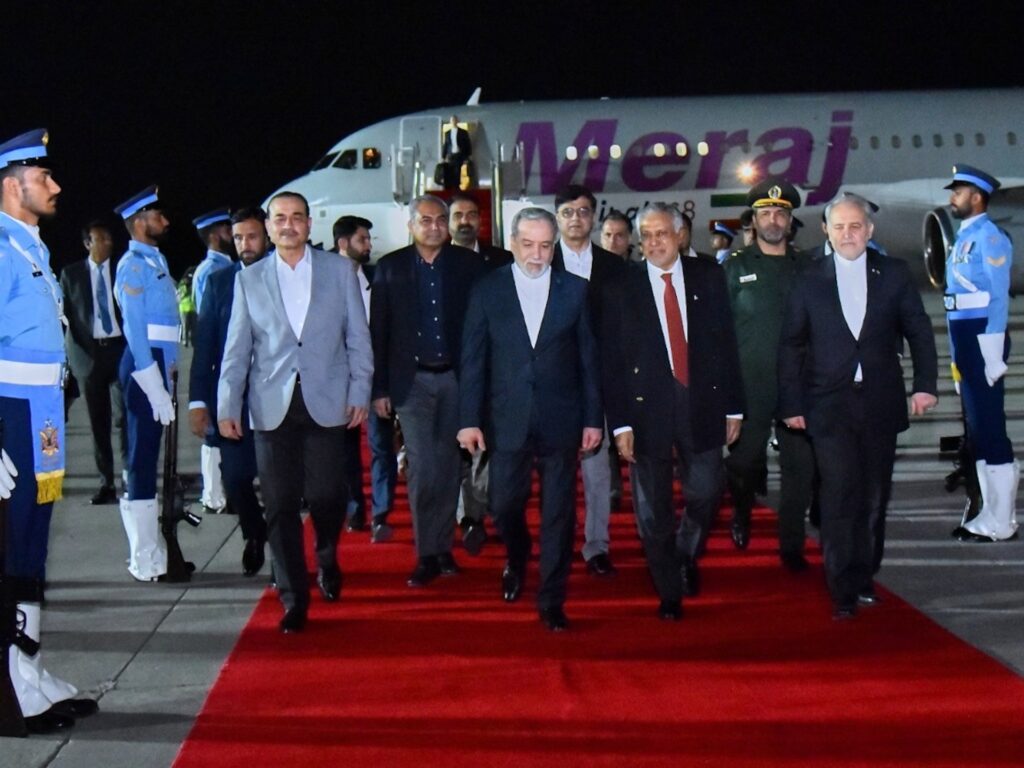
The ongoing conflict involving Iran sees significant diplomatic and military developments as tensions escalate in the region. Tehran’s Foreign Minister has arrived in Islamabad, signaling active diplomatic engagement amid the crisis. The visit aims to strengthen regional alliances and discuss potential pathways to de-escalation.
Parallel to these diplomatic efforts, the United States has announced that its envoys will be traveling to engage in critical talks. These discussions are expected to focus on reducing hostilities and negotiating terms to mitigate the broader conflict’s impact throughout the Middle East.
Meanwhile, the situation on the ground remains volatile. Recent Israeli air strikes coupled with tank shelling in Gaza have resulted in the deaths of at least 12 Palestinians. Among the casualties are six police officers, indicating the intensity and targeting of the military operations.
The strikes have heightened concerns about civilian safety and the potential for broader regional destabilization. International observers call for restraint and renewed dialogue to prevent further loss of life and humanitarian crises.
The conflict’s roots trace back to longstanding political and ideological disputes in the region, with multiple actors pursuing divergent objectives. The involvement of external powers through diplomatic channels shows a recognition of the crisis’s complexity and the necessity for coordinated responses.
Tehran’s strategic outreach to Islamabad highlights the importance of regional partnerships in navigating the conflict. Pakistan’s role as a mediator and its geographic proximity make it a critical player in the unfolding diplomatic efforts.
The United States’ decision to deploy envoys underscores its interest in stabilizing the region and curbing the conflict’s escalation. These talks may pave the way for broader international cooperation and frameworks for peace.
The humanitarian toll continues to mount with infrastructure damage, displacement of civilians, and strained medical services in Gaza. Relief organizations emphasize the urgency of ceasefires and access to humanitarian aid.
Global reactions vary, with some countries condemning the air strikes and calling for immediate ceasefire. Others stress the need to address terrorism and security threats to Israel and regional partners.
As diplomatic missions proceed, all eyes remain on the next developments in both dialogue and military engagements. The coming days are crucial for determining whether the efforts can lead to de-escalation or if the conflict will further intensify.
This snapshot of events highlights the complexity and urgency of the Iran war situation, reflecting intertwined military actions and diplomatic maneuvers. Regional stability, security, and humanitarian concerns remain paramount in the international community’s response.