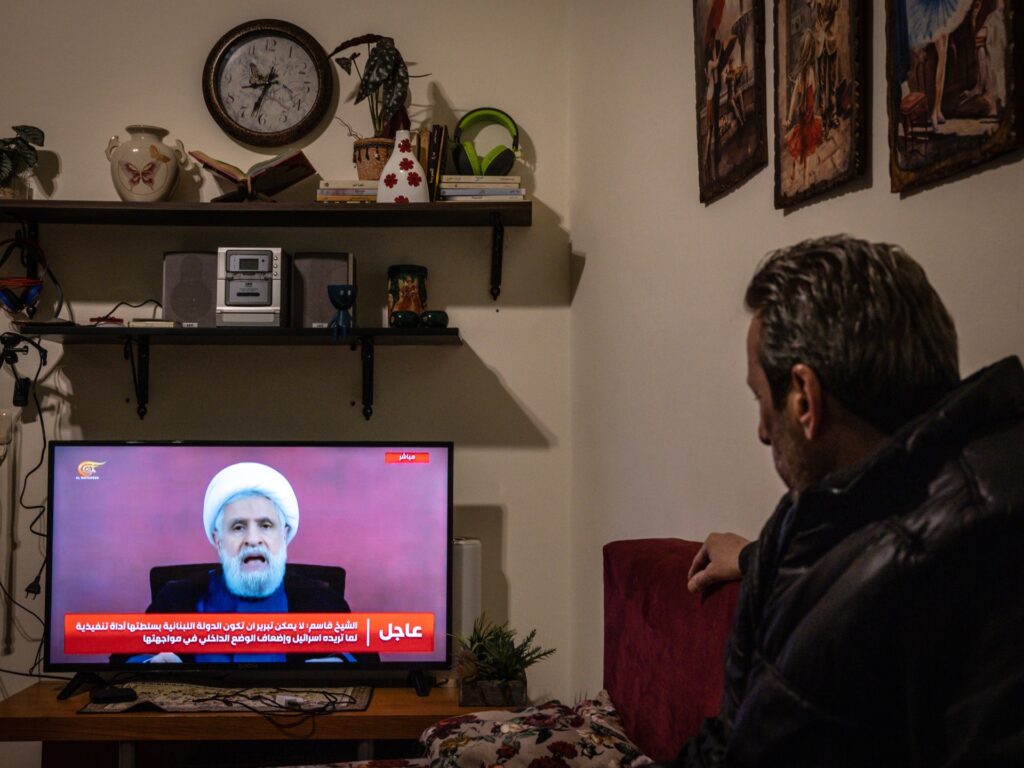
In Lebanon, apprehension is growing as residents brace for the possibility of another Israeli military escalation. Having endured two prior conflicts, many Lebanese citizens are proactively stocking up on essential supplies and packing their bags in preparation for what they fear could be a third round of hostilities.
The memories of previous Israeli escalations remain fresh in the minds of the people, fueling a sense of urgency to prepare for any eventuality. These escalations in the region have historically led to significant disruptions, displacement, and hardship for the Lebanese population.
Communities across Lebanon are witnessing a surge in demand for basic necessities such as food, water, and medical supplies. Markets and stores are experiencing higher traffic as civilians seek to ensure they have adequate resources to withstand potential conflict-related shortages.
Families are also making personal preparations, gathering important documents, valuables, and necessities into bags ready for quick evacuation if the situation deteriorates rapidly. The psychological impact of past conflicts has instilled a cautious mindset, prompting many to take pre-emptive action even before any official announcements or warnings.
The geopolitical tensions between Lebanon and Israel remain volatile, with periodic confrontations sparking concerns of escalation. International observers keep a close watch on the developments, advocating for dialogue and restraint to prevent further violence.
Lebanese authorities are concurrently monitoring the border areas, implementing security measures to protect civilians and maintain order. They emphasize the importance of remaining vigilant and following official guidance during this uncertain period.
This preparedness reflects the resilience of the Lebanese people amid ongoing regional instability. While hoping for peace, they understand the need to be ready for potential emergencies stemming from renewed conflict.
Experts in conflict resolution highlight that such proactive measures by civilians can help mitigate the human toll should hostilities resume. However, they stress that the ultimate solution lies in diplomatic efforts aimed at de-escalating tensions and fostering long-term stability in the region.
In summary, Lebanon finds itself once again on edge as residents take precautionary steps influenced by past experiences of Israeli military actions. Their actions underscore a poignant blend of hope for peace and readiness to withstand the challenges of another possible escalation.