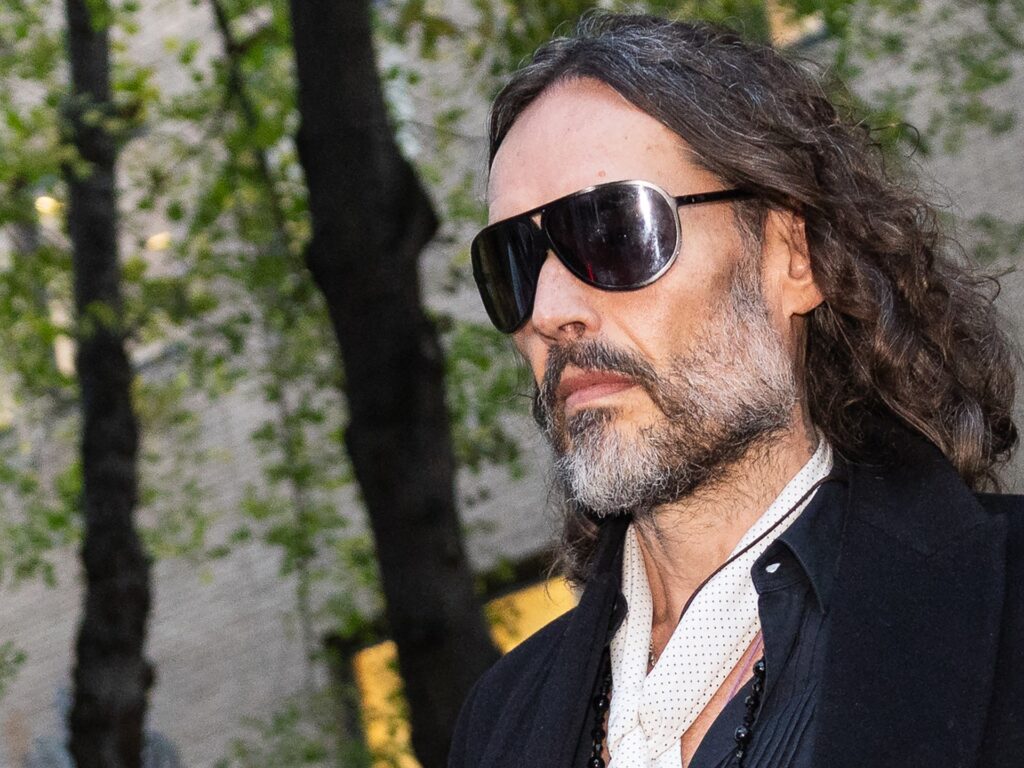
In a landmark verdict, British comedian Russell Brand has been found guilty of rape and sexual assault by a jury at a London court. The case, which has attracted significant media attention, culminated in Brand being convicted of one count of rape and three counts of sexual assault.
The court proceedings revealed disturbing details surrounding the incidents, which allegedly involved multiple victims. The jury’s decision marks a pivotal moment in holding public figures accountable for their actions.
Russell Brand, known for his flamboyant personality and comedic talents, now faces the consequences of these serious charges. The conviction has sent shockwaves throughout the entertainment industry and sparked widespread discussions about consent and the importance of addressing sexual violence.
The trial lasted several weeks, during which evidence and testimonies were presented that painted a consistent narrative of Brand’s misconduct. Victims courageously came forward, sharing their experiences with the court, highlighting the importance of giving survivors a voice.
Legal experts indicate that the verdict could lead to a significant sentencing phase, with potential imprisonment and further legal repercussions for Brand. The judgement has also reignited conversations around the power dynamics in the entertainment world and the imperative need for systemic change.
Public reaction has been mixed, with many expressing support for the victims and applauding the justice system, while others grapple with the implications of the conviction on Brand’s career and public image.
This case is a reminder of the ongoing challenges in the fight against sexual violence and the importance of persistent advocacy, legal reform, and public awareness to protect victims and deter offenders. The court’s decision underscores a commitment to justice, irrespective of an individual’s status or fame.
As the legal process continues, attention will now turn to the sentencing and any potential appeals. The outcome will have lasting effects on the individuals involved, the legal community, and society’s broader understanding of accountability in cases of sexual misconduct.