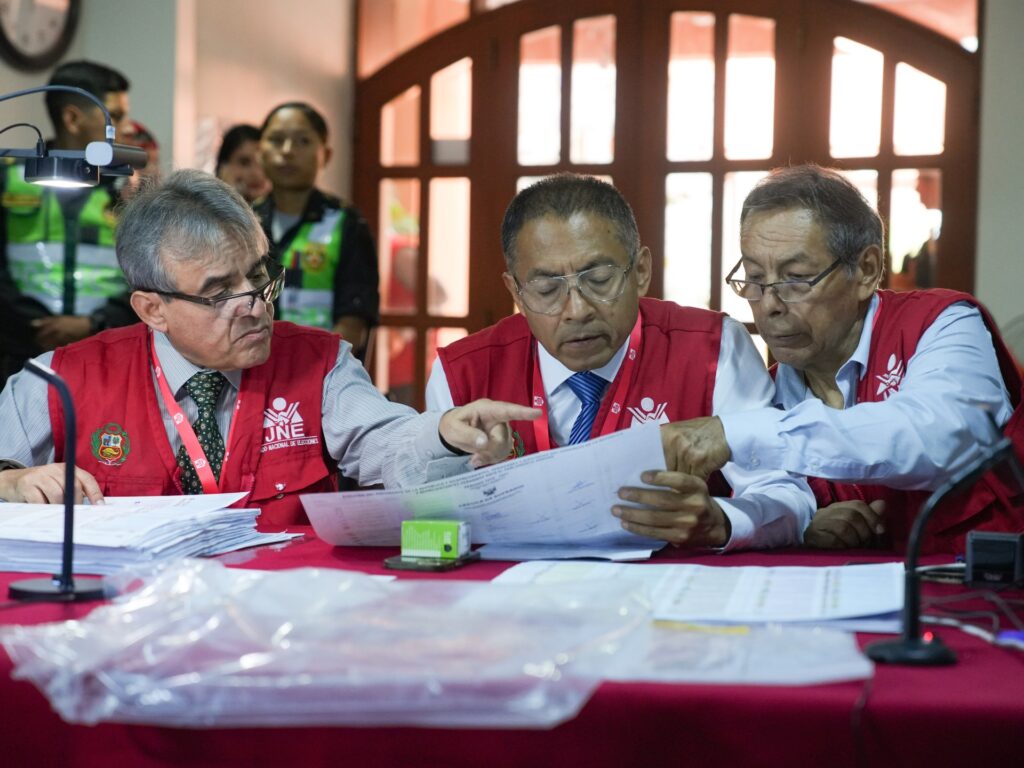
In a significant move reflecting escalating tensions around Peru’s electoral process, anticorruption police have conducted raids targeting the homes of key election officials, including former head of the election office, Piero Corvetto. This operation follows growing public outcry over the perceived slow pace of vote counting in the recent elections, which has sparked concerns about transparency and efficiency within the nation’s electoral system.
The raids were aimed at gathering material and evidence potentially linked to irregularities or corruption, signaling an intensified scrutiny of the electoral authorities’ handling of the vote tallying process. Piero Corvetto, a prominent figure in Peru’s electoral framework, along with other officials, were directly impacted as police sought documentation and other relevant materials from their residences.
Public frustration had been mounting due to delays and a lack of clarity in the announcement of election results. Many citizens and political stakeholders expressed fears that the sluggish vote count might undermine the democratic process or conceal illicit activities. The intervention by anticorruption police appears to be a response to these fears, intended to restore trust and demonstrate commitment to electoral integrity.
This incident highlights broader challenges facing Peru’s democracy, particularly concerning the reliability and efficiency of its electoral institutions. While the official motives behind the raids focus on ensuring transparency and combating corruption, the actions also underscore the political pressures and societal demands for accountability in election management.
Experts note that while delays in vote counting can sometimes result from logistical issues, extended slowdowns often ignite suspicions and erode public confidence. Therefore, rigorous investigations and clear communication from electoral bodies are crucial to prevent destabilization.
The raids have also raised questions about the balance between pursuing anti-corruption measures and maintaining the independence of electoral authorities. Observers stress that preserving impartial election oversight is key to democratic health, and any interventions must avoid political interference.
The government has stated that the anticorruption police are operating within legal frameworks to ensure the election process’s integrity. Meanwhile, election office representatives have pledged full cooperation with investigators to clarify any irregularities and expedite the vote count.
International observers monitoring Peru’s elections have noted these developments with concern, emphasizing the importance of transparency and due process. They advocate for a thorough and impartial investigation to uphold democratic principles and public trust.
As investigations proceed, the spotlight remains firmly on Peru’s election authorities to demonstrate accountability and efficiency. How this situation resolves will likely influence public perceptions of the electoral system and could have lasting impacts on political stability and democratic governance in Peru.
Overall, the police raids represent a critical moment in Peru’s ongoing effort to strengthen its democratic institutions amidst challenges of corruption and public skepticism. The coming weeks will be pivotal in determining the direction and credibility of Peru’s electoral integrity efforts.