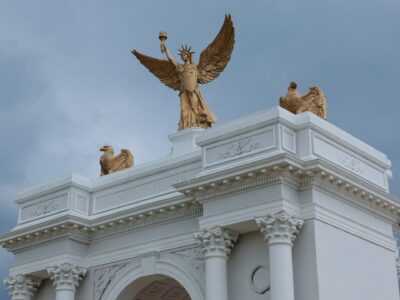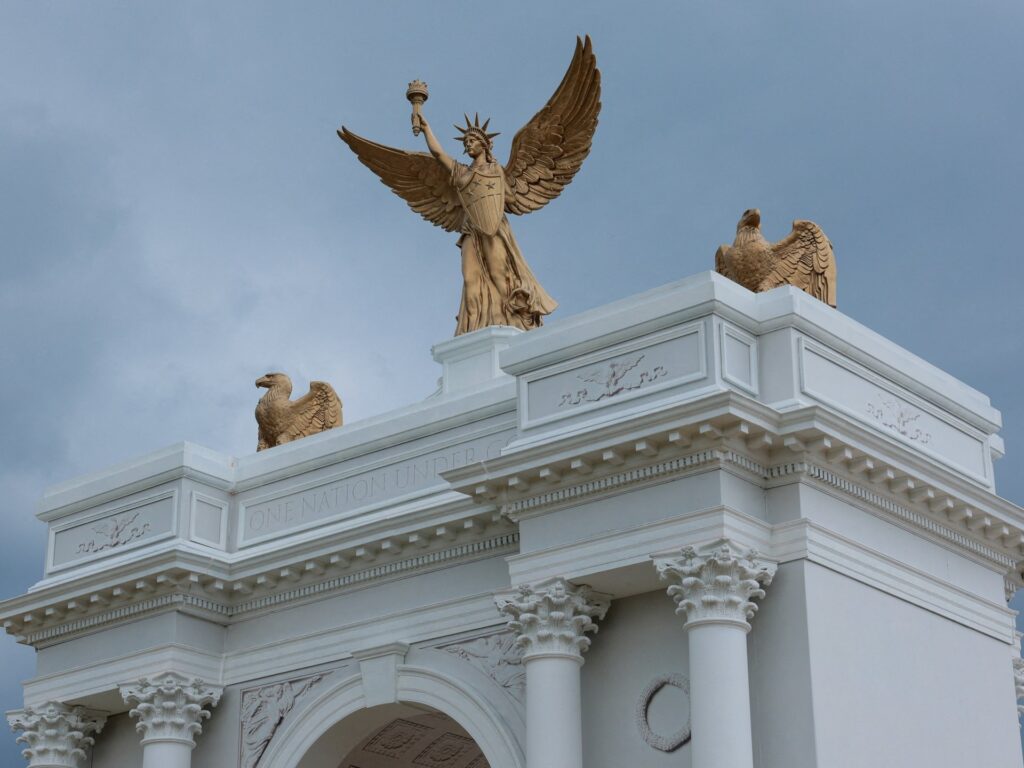
A U.S. judge has ordered a temporary halt to the construction of the so-called “Arc de Trump” in Washington, DC, issuing a 14-day pause on the controversial project. The structure, intended to serve as a triumphal arch celebrating Donald Trump’s presidency, has sparked significant debate and legal challenges since its proposal.
The project, located in the nation’s capital, was met with immediate opposition from various community groups and legal entities who questioned the permits and the appropriateness of the arch in such a historically significant area. Critics argue that the monument is an inappropriate glorification that does not reflect the values of the community or the broader public.
Supporters of the arch tout it as a legitimate and artistic tribute to the former president’s accomplishments and a symbol of his political legacy. They have accused opponents of politicizing public spaces and infringing upon free expression.
The judge’s order remains in effect for 14 days, during which time construction is to be paused while further legal considerations are addressed. This pause provides an opportunity to evaluate the permits and ensure compliance with regulatory standards.
This development is a significant moment in the ongoing national discourse surrounding monuments, public memory, and political expression. The fate of the Arc de Trump could set a precedent for how similar projects are treated in the future, particularly those connected to contentious political figures.
The halt has caused varied reactions; some see it as a necessary step to protect the city’s integrity and adherence to legal processes, while others perceive it as a suppression of artistic and political expression.
Local government officials have stated that they are closely monitoring the situation and emphasize the importance of following legal processes to preserve the city’s historical and cultural fabric.
The Trump triumphal arch was initially proposed as part of efforts to memorialize the former president’s tenure, but its placement and design quickly became points of contention. Concerns about urban planning, historical significance, and public sentiment all contribute to the ongoing debate.
Legal experts note that the temporary injunction is a common tool courts use to maintain the status quo while reviewing complex and potentially precedent-setting cases. The coming weeks will be critical in determining whether the construction will resume or if the project faces further delays or cancellation.
Overall, the judge’s decision underscores the challenges in balancing public interest, historical preservation, and political expression in America’s capital. The outcome will likely influence how future projects honoring political leaders are approached and regulated across the country.