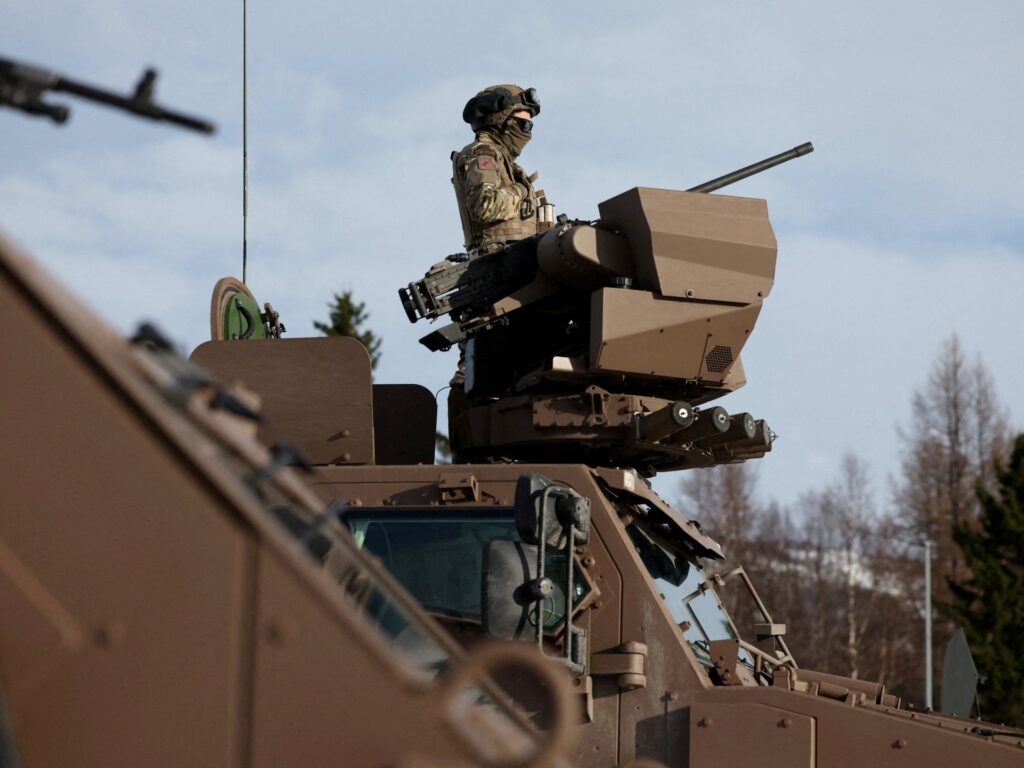
The transatlantic alliance, anchored by NATO, faces unprecedented challenges amid escalating war tensions in Iran and increasing political pressures within the United States. The relationship between the US and its European allies has long been the cornerstone of NATO’s strength, but recent developments have introduced strains that threaten the alliance’s cohesion.
NATO, established in 1949 as a collective defense pact, has historically relied on the leadership and military power of the United States to deter aggression and maintain peace in the North Atlantic region. However, the arrival of President Donald Trump brought a new dynamic to the alliance, characterized by skepticism about America’s international commitments and demands for greater burden-sharing by European members.
The war in Iran has exacerbated these divisions. European NATO members advocate for diplomatic solutions to the conflict, fearing escalation could destabilize the Middle East and Europe’s security environment. Meanwhile, the Trump administration has taken a hardline stance, emphasizing military readiness and threatening unilateral action, which worries NATO partners about the unpredictability of U.S. policy.
Critics argue that Trump’s rhetoric and policies risk alienating Europe, potentially leading to a fracturing of the alliance. Some European leaders have expressed concern that without a clear American commitment, NATO’s deterrence capability could weaken, inviting new security threats from Russia and other actors.
The potential US withdrawal from NATO, once considered unthinkable, has entered the realm of possibility under Trump’s ‘America First’ policy. This scenario has prompted urgent discussions in Brussels and Washington. European officials worry about a future where the alliance might need to recalibrate its defense strategy and seek alternative partnerships or increased military spending.
NATO’s survival depends on its ability to adapt to these shifting geopolitical realities. The alliance must navigate the delicate balance between reassurance and autonomy: reassuring the United States of NATO’s value while asserting its own operational independence.
Experts suggest several pathways forward. Enhancing Europe’s defense capabilities could reduce dependence on the US, while also encouraging continued American engagement through reform and shared responsibilities. Dialogue remains crucial to prevent misunderstandings and maintain solidarity.
Furthermore, the internal politics of member states influence the alliance’s resilience. Populist movements skeptical of multilateral institutions gain traction in both Europe and America, challenging the notion of collective security.
Despite these challenges, many NATO officials continue to assert that the alliance remains vital. The shared values of democracy, rule of law, and mutual defense create strong incentives for cohesion.
The coming months will be critical in determining whether NATO can weather this storm. The war in Iran has acted as a catalyst, accelerating debates over NATO’s future and the role of the US within it.
In conclusion, the alliance stands closer to a potential break than ever before in its history. Yet, through strategic adjustments, renewed political will, and cooperative diplomacy, NATO may endure, continuing to guarantee security for its members in an increasingly complex global landscape.