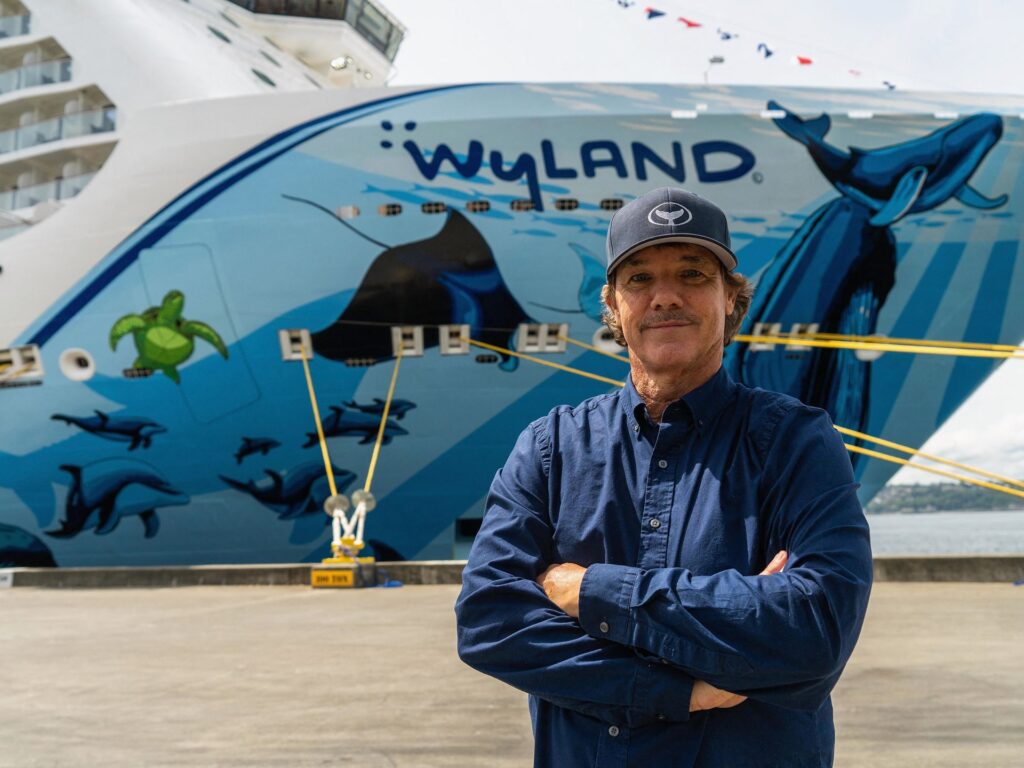
In a controversial move, US artist Wyland has filed a lawsuit against FIFA following the destruction of his iconic whale mural in Dallas, which had stood proudly for nearly three decades. The mural, a beloved piece of public art, was recently painted over by workers promoting the upcoming World Cup event.
Wyland’s mural, depicting a majestic whale, had become a symbol of environmental consciousness and artistic expression in the Dallas community. Its presence for close to 30 years made it a landmark and a point of pride for local residents and art enthusiasts alike.
However, the mural’s fate changed abruptly last month when preparations for the FIFA World Cup in Dallas commenced. Workers began painting over the mural to display promotional graphics for the tournament, sparking outrage among residents, art critics, and the artist himself.
Wyland argues that the destruction of the mural was done without his consent or adequate consultation, infringing upon his rights as the creator of the artwork. He asserts that the mural is not just a painting on a wall but a cultural and environmental statement that holds significant value beyond its physical presence.
The lawsuit aims to hold FIFA accountable for what Wyland describes as a disregard for artistic heritage and intellectual property rights. It seeks compensation for the damage caused as well as measures to prevent such destructive practices in the future.
The incident has ignited a broader conversation about the balance between large-scale event marketing and the preservation of public art. Critics argue that while sports events like the World Cup bring excitement and economic benefits, they should not come at the cost of erasing important cultural landmarks.
FIFA has yet to issue a formal response to the lawsuit but faces growing pressure from communities worldwide to respect and protect local art and heritage sites during event preparations.
This case sets a significant precedent for how organizers of global events handle existing cultural assets. It calls for more thoughtful engagement with artists and communities to safeguard creative works that contribute to a city’s identity and history.
As the legal proceedings unfold, the Dallas whale mural saga underscores the ongoing tension between commercial interests and cultural preservation, highlighting the need for policies that promote coexistence rather than conflict between the two.