As the world eagerly anticipates the FIFA World Cup 2026, set to kick off next week, the excitement is building not only for the thrilling football matches but also for a host of innovative and intriguing elements surrounding the tournament. Al Jazeera breaks down the key talking points that fans and critics alike are buzzing about.
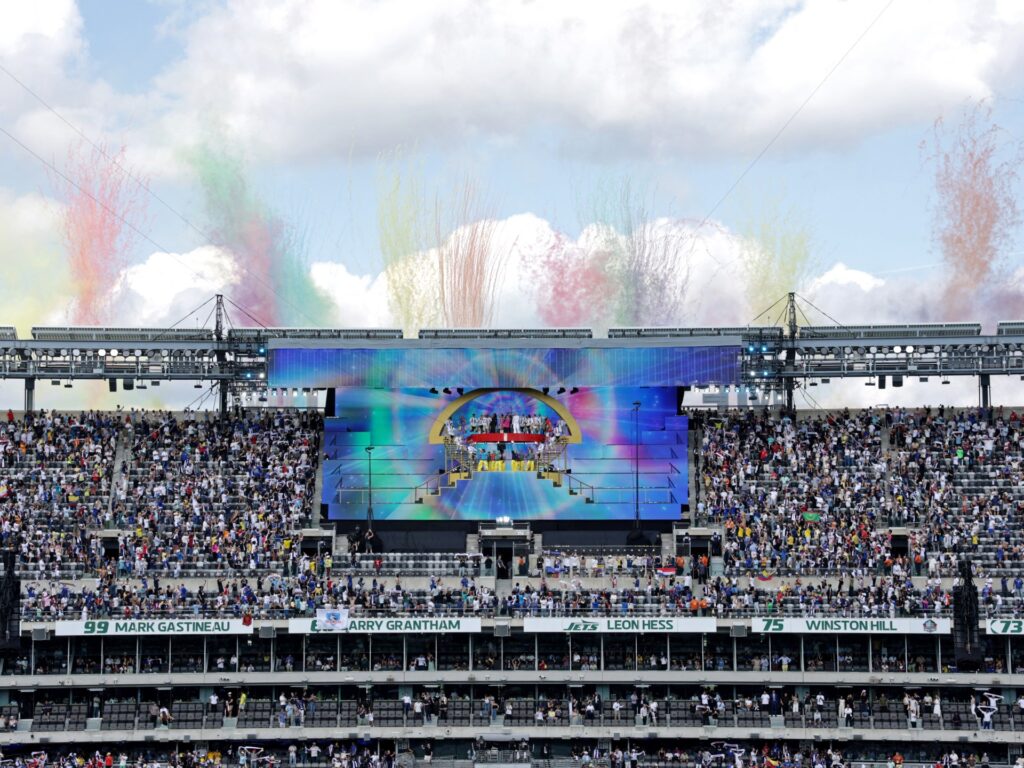
One of the most talked-about features of the 2026 World Cup is the adoption of an NFL-style half-time show. For the first time in the tournament’s history, fans will experience a grand halftime spectacle similar to those seen in American football games. This move aims to enhance fan engagement and add an extra layer of entertainment during match breaks, blending culture and sport in a unique fashion.
The 2026 edition of the World Cup is also notable for its expanded format. With 48 teams competing, up from 32 in previous tournaments, the competition promises more diversity and opportunities for emerging football nations to showcase their talents on the global stage. This expansion necessitates a new tournament structure and has drawn mixed reactions, stirring debate about the quality of play and scheduling.
Hosts Canada, Mexico, and the United States are uniting not only in organizing the event but also in celebrating football culture across North America. This joint hosting effort marks the first time three countries have co-hosted the World Cup, adding a layer of collaboration and regional pride. The geographical spread also presents logistical challenges in terms of travel and fan attendance but offers a broader canvas for cultural exchange.
The design and unveiling of the kits have captivated fans and designers alike. Teams have released fresh and often bold jersey designs that reflect both tradition and modern aesthetics. Some kits pay homage to national heritage, while others experiment with new materials and technology aimed at enhancing player performance and comfort.
Sustainability and legacy are also prominent talking points. The organizers emphasize eco-friendly practices in stadium construction and operations, aiming to leave a positive environmental footprint. Moreover, they focus on long-term benefits for soccer infrastructure in host cities to ensure the World Cup’s impact extends well beyond the tournament’s conclusion.
Security and health measures remain vital given the ongoing global concerns. Organizers have detailed plans to manage crowd safety, pandemic protocols, and emergency responsiveness to ensure a safe and smooth experience for players, staff, and spectators.
Media coverage and technological innovation will also play a crucial role in amplifying the tournament’s reach. Enhanced broadcast technology, including 4K streaming, augmented reality, and real-time analytics, will offer fans immersive viewing experiences even if they cannot attend matches in person.
Finally, the social and economic impacts on host countries and communities are under close scrutiny. The World Cup is expected to generate significant economic activity through tourism, job creation, and infrastructure investments, but also poses risks related to displacement and affordability.
As the FIFA World Cup 2026 approaches, these talking points set the stage for what promises to be a historic and transformative event in the world of sports. Fans worldwide are counting down the days to witness not just the on-field action but also the rich tapestry of culture, innovation, and collaboration that this iconic tournament brings to life.