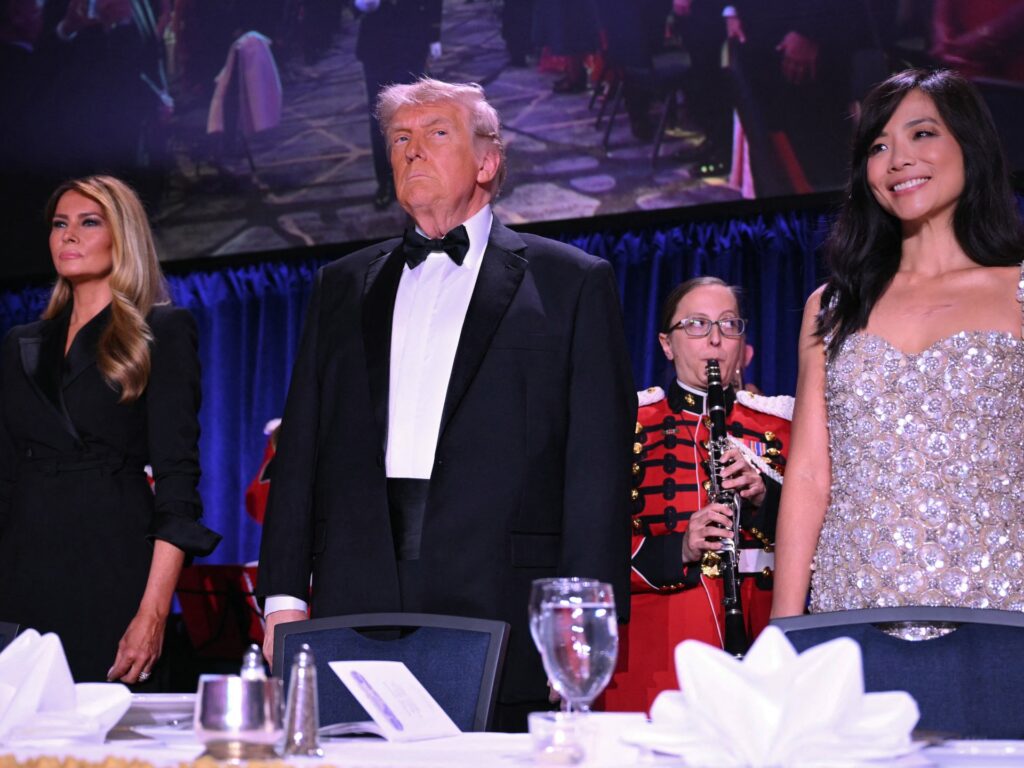
The White House Correspondents’ Dinner, an event traditionally attended by U.S. presidents, journalists, and celebrities, is set to take place after a delay, with former President Donald Trump confirmed to attend. The annual dinner, which celebrates the relationship between the presidency and the press, was postponed due to unforeseen circumstances, including recent security concerns highlighted by a shooting incident.
Trump’s attendance at the event marks a significant moment, as it will be one of his public engagements following a period of relative quiet. The dinner has historically been a platform for presidents to use humor and satire to address the media, but this year’s event carries heightened tension due to the polarized political climate and Trump’s often adversarial stance toward the press.
Press freedom advocates have expressed concern over the dinner’s potential to become a stage for Trump to launch fresh critiques against the news media. Critics argue that the event, while a celebration of journalistic achievement, also provides a high-profile platform that could be used to undermine the media’s role in democracy.
The dinner is known for its lighthearted speeches and roasts, but with Trump’s presence, some fear that the tone could shift to a more confrontational discourse. Advocates emphasize that while freedom of speech is paramount, the event should not devolve into an arena for disparaging the press and eroding public trust in journalism.
Organizers of the White House Correspondents’ Dinner have stated that they are committed to ensuring the event remains a respectful and meaningful occasion for all attendees. Security measures have been amplified in light of the recent shooting, aiming to safeguard participants and uphold the dinner’s tradition as a cornerstone event in Washington, D.C.
Trump’s participation also reflects his ongoing influence in political and media circles. Supporters view his attendance as a chance to address his supporters directly and demonstrate his resilience. Meanwhile, journalists and critics remain vigilant about the implications for media-government relations moving forward.
As the dinner approaches, discussions around the role of the press, the nature of political discourse, and the responsibility of public figures at such events remain at the forefront. The event serves as a reminder of the delicate balance between celebrating press freedom and navigating the complexities of political expression in a divided society.
In conclusion, the delayed White House Correspondents’ Dinner will be a closely watched event not only for its entertainment value but also for its broader significance in contemporary American politics and media relations. The coming hours will reveal how Trump’s attendance shapes the narrative and impacts the ongoing dialogue about the role of the press in democracy.