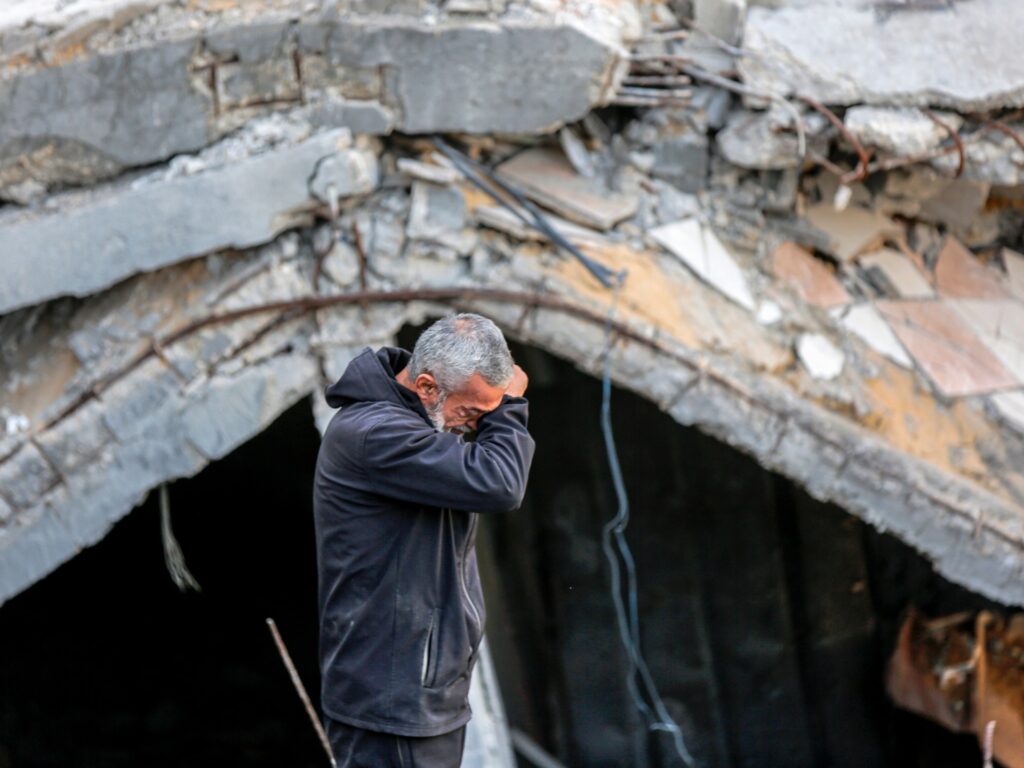
Six months have passed since the ceasefire in Gaza, yet many families remain unable to lay their loved ones to rest. Approximately 10,000 Palestinians are still missing, believed to be buried beneath the rubble of collapsed buildings following the recent devastating conflict with Israel.
The ongoing humanitarian crisis in Gaza continues to cast a dark shadow over the lives of survivors. The destruction from the conflict has left entire neighborhoods in ruins, complicating recovery and rescue efforts. Many families are living in agony, uncertain of the fate of relatives and friends.
Rescue teams and humanitarian organizations face immense challenges in accessing the rubble due to safety concerns, lack of resources, and continuous infrastructural damage. Despite these obstacles, efforts to locate missing persons and retrieve bodies persist in the hope of ending the suffering of the affected families.
Local authorities and international agencies have called for increased support and cooperation to enable effective clearing of debris and improve identification processes. The psychological toll on Gaza’s population is profound, with many individuals experiencing grief, trauma, and desperation.
This distressing situation highlights the urgent need for peace and reconstruction initiatives that prioritize human dignity and the restoration of basic services. Without concerted action, the humanitarian crisis risks deepening, prolonging the plight of thousands who are still waiting for closure.
Families mourn their lost members amid destroyed homes, sharing stories that underscore the devastating impact of the war on Gaza’s civilian population. The struggle to bury the dead epitomizes the broader challenges of rebuilding life in a war-torn region.
As the international community reflects on the ceasefire, there is increasing recognition that recovery is not merely about halting violence but also addressing the aftermath that continues to affect thousands. The absence of answers about the missing is a daily reminder of unresolved pain and the urgent need for comprehensive humanitarian aid.
Efforts must continue to clear the rubble methodically, provide forensic support for identifying victims, and support families psychologically and materially. This dual approach is essential for fostering reconciliation and healing in Gaza.
The plight of missing Palestinians also underscores broader issues related to conflict, displacement, and the right to a dignified burial. Ending this chapter requires unwavering commitment from all stakeholders to build peace and ensure such tragedies are not repeated.
Ultimately, the story of Gaza’s families and their missing loved ones exemplifies resilience amid hardship, a call for empathy, and the necessity of international solidarity in times of prolonged conflict recovery.