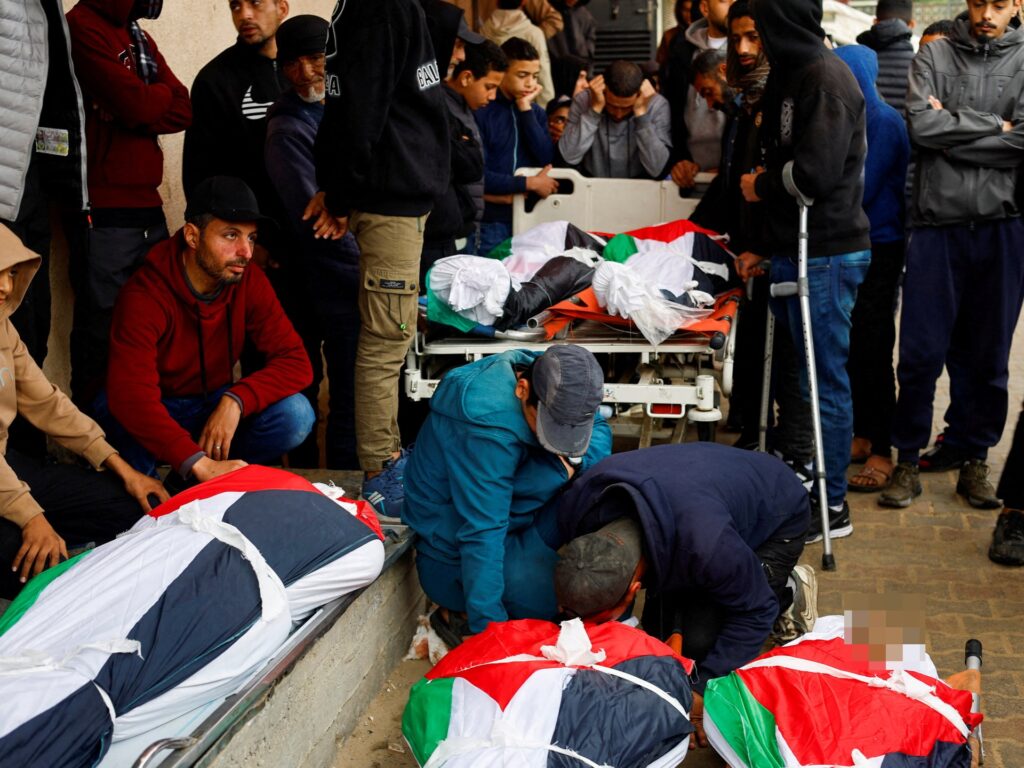
Six months have passed since the October 2025 ceasefire agreement aimed at halting violence in Gaza, yet the region remains trapped in a state of ‘neither war nor peace.’ Despite the formal cessation of active hostilities, attacks continue sporadically, humanitarian aid is woefully insufficient, and regional tensions have only deepened, contributing to the ongoing instability.
The ceasefire was initially hailed as a hopeful step towards peace after years of intense conflict between Israeli forces and Palestinian factions in Gaza. However, the reality on the ground paints a far more complex picture. Sporadic rocket fire, airstrikes, and border clashes endure, undermining both security and the civilian population’s sense of safety.
One of the most critical challenges is the ongoing scarcity of basic necessities. Humanitarian workers warn that aid deliveries fall far short of what is required to support Gaza’s nearly two million residents. Essential goods such as food, medicine, and clean water remain rationed or inaccessible in many areas, exacerbating public health crises and economic hardship.
The blockade imposed by Israel and Egypt persists, limiting the movement of goods and people. This blockade, while a security measure, impedes reconstruction efforts and prolongs suffering. Critics argue that without easing these restrictions, Gaza’s recovery and prospects for lasting peace remain bleak.
At the same time, regional dynamics have shifted. Conflicts involving neighboring countries, political rivalries, and proxy engagements continue to fuel instability. The ceasefire has not been able to isolate Gaza from these broader forces, which influence both local power struggles and international diplomacy.
For the residents of Gaza, daily life is marked by uncertainty and resilience. Families live with the constant threat of renewed violence, disrupted education, and limited access to healthcare services. Infrastructure remains damaged, and unemployment rates are alarmingly high, trapping many in poverty.
International observers stress the urgent need for renewed diplomatic efforts that go beyond militarized ceasefire agreements. They call for comprehensive peace talks addressing political, economic, and humanitarian issues that underpin the conflict.
As six months have shown, the ceasefire, while a necessary pause, is not a solution in itself. Without sustained commitment and cooperation from all parties involved, Gaza risks remaining in this liminal state—caught between war and peace—indefinitely.