Sudan, once a country with potential for progressive healthcare development, now faces a catastrophic collapse of its healthcare system, impacting millions of lives profoundly. The destruction has been fueled by ongoing conflict, political instability, and economic hardship, resulting in devastating consequences for its population.
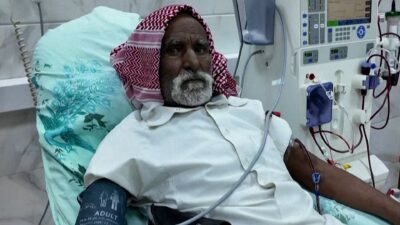
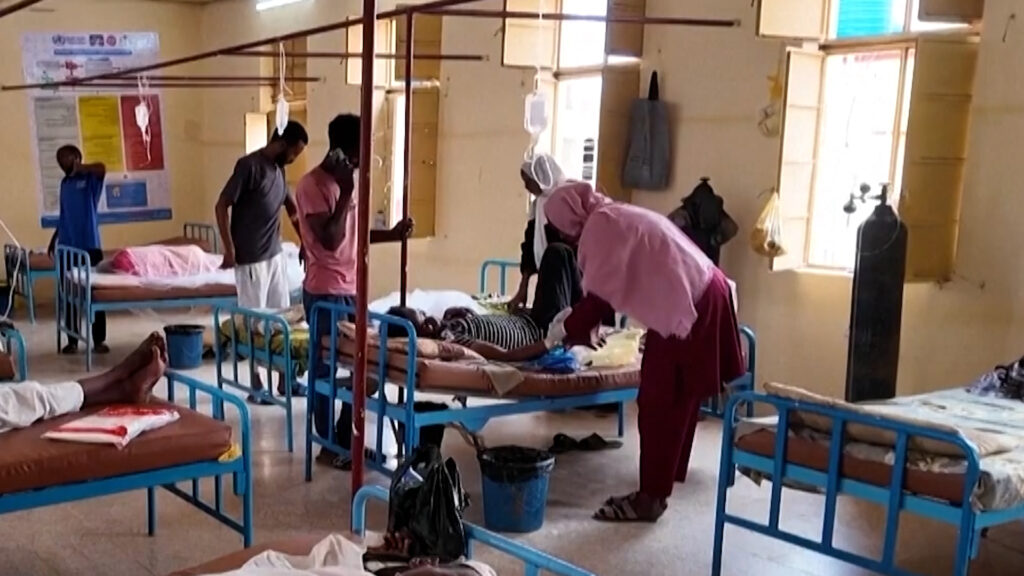
Over recent years, Sudan’s healthcare infrastructure has suffered from severe damage, with hospitals, clinics, and medical supply chains being significantly affected. Many healthcare facilities have been either destroyed or rendered non-functional due to the lack of resources, staff departures, and direct conflict. This deterioration has left a large portion of the population without access to essential medical services.
The effects on public health are stark. Infectious diseases such as malaria, cholera, and tuberculosis have surged, exacerbated by insufficient healthcare response and deteriorated sanitation services. Maternal and child mortality rates have risen alarmingly due to lack of prenatal care and safe childbirth facilities.
Healthcare professionals, many of whom have fled the nation seeking safety and better opportunities, have left the system incapacitated. Those who remain face overwhelming workloads and sparse resources, struggling to save lives under incredibly difficult conditions. The shortage of medicines and equipment has rendered treatment for many chronic and acute conditions impossible.
The destruction extends beyond physical structures. The healthcare system’s governance and funding have also collapsed. Political turmoil has led to unstable governance, disrupting policy making, planning, and implementation of health programs. International aid, while critical, remains insufficient and often delayed, exacerbating the challenges.
Vulnerable groups suffer the most. Children, pregnant women, the elderly, and those with disabilities face particular risks. Refugees and internally displaced persons, displaced by conflict, often reside in camps with inadequate health services, facing higher risks of disease and malnutrition.
Efforts to rebuild Sudan’s healthcare system face significant hurdles. A comprehensive approach is necessary, combining immediate emergency aid with long-term investment in infrastructure, training, supply chains, and governance reforms. International cooperation and sustained funding commitments are vital to drive effective recovery.
The international community has an important role to play in supporting Sudan. Coordinated humanitarian assistance, peace-building efforts, and targeted health programs can alleviate some of the suffering. Equally important is ensuring that healthcare recovery is integrated into broader strategies for political stabilization and economic development.
The tragic toll of Sudan’s destroyed healthcare is not only a public health crisis but a profound humanitarian disaster. Immediate and sustained action is crucial to restore essential services and protect the health and dignity of Sudan’s people. Only through concerted national and global efforts can the path to recovery and resilience be forged, preventing further loss of life and suffering.