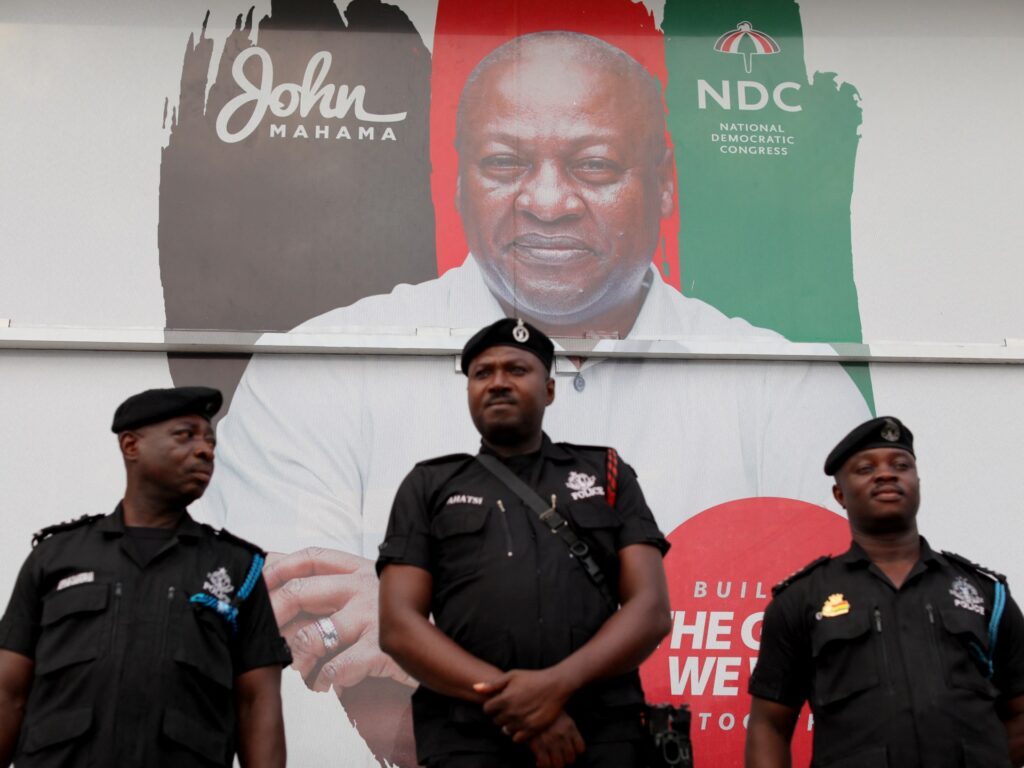
In recent months, Ghana has witnessed an alarming trend that has sparked widespread concern about the state of free speech in the nation. Since the administration of President John Mahama took office, at least 14 individuals have been arrested within a span of 16 months on charges associated with the dissemination of false news. These arrests have ignited a debate over the country’s commitment to upholding democratic values, particularly the right to free expression.
Ghana, often hailed as a beacon of democracy in West Africa, has a rich history of vibrant political discourse and press freedom. However, the recent surge in arrests suggests a shift that critics argue undermines these democratic pillars. Authorities have justified the arrests by citing the need to curb misinformation, especially in the digital age where false news can spread rapidly and influence public opinion.
Despite these official explanations, human rights advocates and political commentators have expressed unease. They warn that the arrests may serve as a tool to silence dissent and suppress opposition voices. The charges related to false news are viewed by some as vague and overly broad, creating an environment where individuals and media outlets may self-censor to avoid legal repercussions.
The international community has also taken note of the developments in Ghana. Organizations dedicated to press freedom have called on the Mahama administration to ensure that measures taken to regulate information do not infringe upon fundamental freedoms. They emphasize that combating misinformation should not come at the expense of civil liberties.
The government’s stance remains firm on maintaining social harmony and national security by controlling the spread of unverified information. Officials stress that the law applies equally to all and that the arrests are part of efforts to safeguard democracy, not to curtail it.
This ongoing situation highlights the delicate balance between protecting society from harmful misinformation and preserving the essential democratic right of free speech. As Ghana navigates these challenges, the world watches closely, hopeful that the nation will uphold its reputation as a defender of democratic principles while effectively managing the complex realities of the information age.